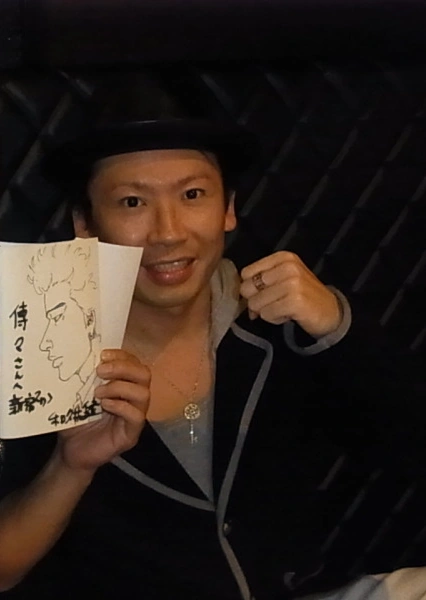
Ken Wakui
Explore the unconventional career of Ken Wakui, the mangaka who drew on real street experiences to create Tokyo Revengers, one of the biggest manga hits of the 2020s.
Early Life and Background
Ken Wakui was born on September 24, 1988, in Tokyo, Japan. Unlike most successful mangaka who followed a conventional path through art school or manga-focused study, Wakui’s upbringing was notably unconventional. He has spoken openly about his youth being defined by Tokyo’s street culture during the late 1990s and early 2000s — a period when yankii (delinquent) subculture was still a visible social force in Japanese urban life.
This firsthand experience with the youth gangs, territorial conflicts, and complex social codes of that era would become the bedrock of his most celebrated work. Wakui doesn’t romanticize violence, but he understands its internal logic deeply — why young men in difficult circumstances form hierarchies, forge unbreakable loyalties, and define their worth through dominance and brotherhood.
His early artistic education is not extensively documented, but he developed his draftsmanship through practical work in the manga industry rather than formal academic training.
Professional Career and Rise to Fame
Shinjuku Swan and Adult Manga Origins
Wakui’s professional manga career began in the adult manga sphere. His first notable serialized work, Shinjuku Swan (2005–2013), published in Weekly Young Magazine, was a gritty, mature story set in the host and sex work underground of Shinjuku’s Kabukichō district. The series ran for 38 volumes and demonstrated Wakui’s ability to sustain a long-form narrative in morally complex urban settings — skills that would serve him well later.
Shinjuku Swan received a live-action film adaptation in 2015 (directed by Sion Sono), signaling that Wakui had built an audience capable of crossing media boundaries.
Tokyo Revengers — The Time-Travel Delinquent Epic
In 2017, Wakui launched Tokyo Revengers in Weekly Shōnen Magazine (Kodansha). The premise combined two unlikely genres: time-travel science fiction and yankii gang drama. The protagonist, Takemichi Hanagaki, discovers he can leap back to his middle school years and attempts to alter the timeline to save his friends from dying at the hands of the Tokyo Manji Gang (Toman).
The series ran until November 2022, producing 31 volumes and becoming one of the best-selling manga franchises of the early 2020s:
- Over 70 million copies in circulation worldwide as of 2022
- An anime adaptation by Liden Films aired from April 2021, gaining massive international streaming audiences on Crunchyroll
- Two live-action films (2021, 2023) were both domestic box-office successes in Japan
- The manga won the prestigious Kodansha Manga Award in the Shōnen category in 2021
The success surprised many industry observers given Wakui’s origins in adult manga — transitioning to Weekly Shōnen Magazine and delivering a title that resonated strongly with younger audiences was a significant creative and commercial pivot.
Artistic Style and Narrative Approach
Wakui’s art is immediately recognizable for its raw energy and authenticity. His character designs are deliberately rough-edged — these are not the polished, idealized figures of mainstream shōnen but young men who look like they’ve been in actual fights. Scarring, asymmetrical features, and worn clothing give his characters a lived-in credibility.
Action choreography: Wakui excels at depicting gang brawls with a chaotic realism. Fights in Tokyo Revengers rarely have the clean, choreographed elegance of martial arts manga — they are close, messy, and emotionally charged, reflecting the actual dynamics of group violence.
Emotional authenticity: Despite the genre, Tokyo Revengers is fundamentally an emotional narrative about grief, regret, and the desperate wish to undo past trauma. Wakui anchors every time-travel twist to a human question: what would you sacrifice to protect the people you love?
Gang culture detail: The internal politics of Toman — its divisions, command structures, rival factions, and codes of loyalty — are depicted with a specificity that reads as lived knowledge rather than research. This authenticity was central to the series’ appeal in Japan, where the yankii genre carries deep cultural resonance.
Key Achievements
- Created Tokyo Revengers, which surpassed 70 million copies in circulation globally
- Won the Kodansha Manga Award (Shōnen, 2021), among the most prestigious awards in Japanese manga
- Successfully transitioned from adult manga (Shinjuku Swan) to mainstream shōnen serialization
- Two separate live-action film adaptations across different works
- Tokyo Revengers sparked a global yankii/delinquent manga revival, with international readers encountering the genre for the first time through his work
Personal Life and Creative Philosophy
Wakui is relatively open by mangaka standards, occasionally sharing his perspective in interviews and promotional materials. He has acknowledged that his understanding of gang culture comes from direct personal experience, lending Tokyo Revengers a texture of authenticity that is difficult to manufacture.
He has spoken about the emotional weight of writing Takemichi — a protagonist who repeatedly fails, cries, and is beaten down, yet refuses to give up. This inverted version of the typical shōnen hero was a deliberate choice: Wakui wanted to write a protagonist defined not by strength but by an unwillingness to abandon the people he loves.
After Tokyo Revengers concluded, Wakui launched Tokyo Revengers: Letter from Keisuke Baji, a spinoff focusing on a fan-favorite character, and has continued developing new projects within Kodansha’s publication ecosystem.
Legacy and Industry Impact
Ken Wakui’s career trajectory is unusual in manga: a creator who began in adult genres, carried authentic street culture knowledge into mainstream publishing, and produced one of the defining hits of the 2020s. Tokyo Revengers revitalized interest in yankii manga for a new generation of readers globally — a genre that had been largely dormant in mainstream international markets.
His work demonstrates that authentic experience, even when drawn from unconventional or difficult backgrounds, is a powerful asset in storytelling. The specificity of Toman’s internal politics, the real stakes of a fight, the psychology of a young man trying to establish worth through dominance — these elements ring true because they come from genuine understanding.
For aspiring mangaka, Wakui’s path offers an unconventional but valuable insight: your background, however rough or unusual, is not a liability. It is raw material.
FAQ: Ken Wakui
Other Mangakas You May Like
All mangakas
Ai Yazawa
Discover the life and enduring legacy of Ai Yazawa, one of manga's greatest storytellers, whose series Nana changed what shōjo manga could be — and whose hiatus became one of the industry's most followed stories.
Notable Works:
- • Nana
- • Paradise Kiss
- + 2 more

Aka Akasaka
Aka Akasaka is a highly accomplished Japanese manga writer known for genre mastery across romantic comedy and dark drama. His works Kaguya-sama: Love Is War and Oshi no Ko have achieved massive commercial and critical success, with Kaguya-sama selling over 22 million copies worldwide. Akasaka is celebrated for subverting genre conventions, creating complex psychological narratives, and exploring moral ambiguity in compelling storytelling.
Notable Works:
- • Kaguya-sama: Love Is War
- • Oshi no Ko
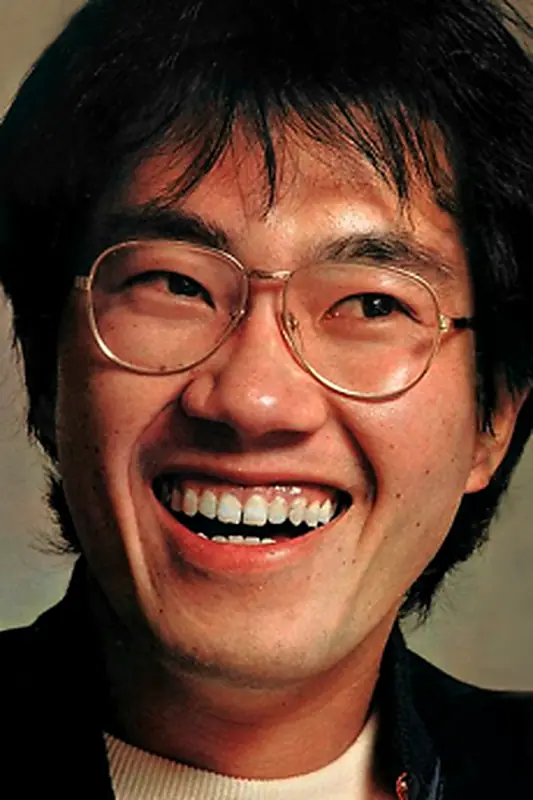
Akira Toriyama
Explore Akira Toriyama's revolutionary career: creator of Dragon Ball, Dr. Slump, and iconic manga. Learn about his artistic genius, influence, and legacy in manga history.
Notable Works:
- • Dragon Ball
- • Dragon Ball Z
- + 3 more

CLAMP
Discover CLAMP, the iconic collective of four talented female manga artists. Explore their revolutionary works from Cardcaptor Sakura to xxxHolic and their lasting industry impact.
Notable Works:
- • Cardcaptor Sakura
- • xxxHolic
- + 4 more