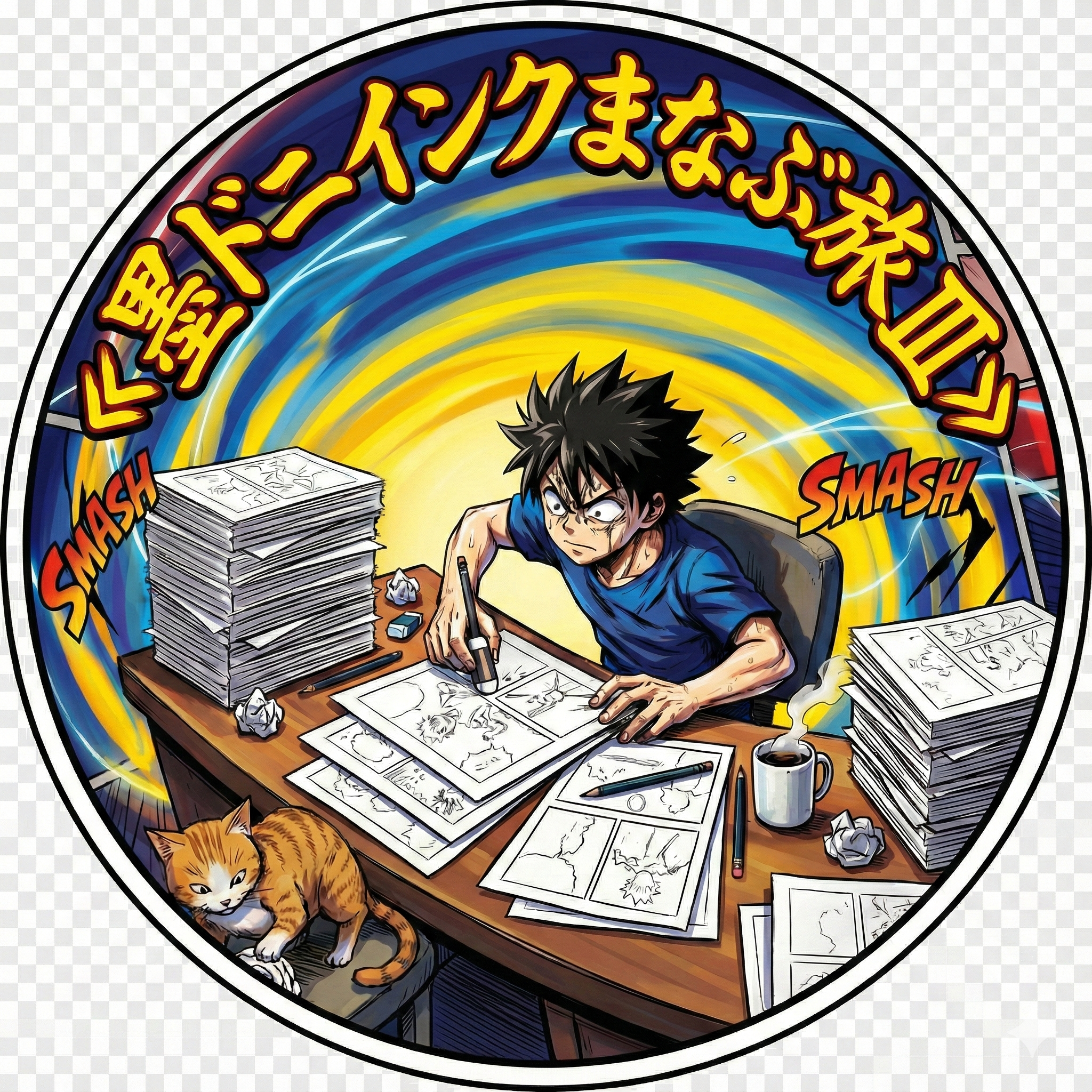
Hajime Isayama
Hajime Isayama is a renowned Japanese manga artist born in 1986, celebrated for creating the blockbuster series Attack on Titan, which revolutionized contemporary manga.
Early Life
Hajime Isayama was born on August 29, 1986, in Oyama, Oita Prefecture, Japan. From an early age, he displayed a passion for art and storytelling, drawing inspiration from classic manga and anime that defined his generation. Growing up in rural Japan, Isayama developed a unique perspective that would later influence his approach to world-building and narrative structure. His childhood experiences and the serene yet isolated environment of his hometown would subtly inform the atmospheric quality of his later works.
Isayama was deeply influenced by the works of legendary manga creators, particularly admiring the intricate storytelling and character development found in series by other established artists. He spent his adolescence honing his drawing skills, studying anatomy, perspective, and composition through constant practice. His determination to become a manga artist was evident from his teenage years, when he began submitting short works to various manga competitions and publications.
After completing his secondary education, Isayama pursued his dream with singular focus. He attended art training programs and worked as an assistant to established manga artists, gaining invaluable experience in the demanding world of professional manga production. This apprenticeship period was crucial in developing his distinctive artistic style and understanding the technical and creative demands of serialized manga.
Career and Notable Works
Hajime Isayama’s professional manga career began in earnest in the mid-2000s with his breakthrough concept that would eventually become “Attack on Titan.” The series, serialized in “Weekly Shonen Magazine” starting in 2009, immediately captured readers’ attention with its unique premise: humanity’s struggle for survival against colossal humanoid creatures known as Titans. The concept itself was remarkably original for its time, taking familiar post-apocalyptic and survival themes and recontextualizing them within a dark fantasy framework that emphasized existential horror alongside action sequences.
Attack on Titan became a phenomenon that transcended the manga medium in unprecedented ways. The series’ intricate plotting, shocking character deaths, and exploration of deep themes such as freedom, destiny, and morality resonated with audiences worldwide, creating passionate fan communities that engaged with the narrative across multiple platforms. The manga ran for over a decade, concluding in 2021 with an ending that sparked considerable discussion and debate among fans regarding narrative choices and character arcs. Despite the polarizing final chapters, the series’ impact on global popular culture remains undeniable, with merchandise sales, fan art production, and continued engagement demonstrating the franchise’s sustained cultural relevance.
The initial serialization period saw Isayama navigating the complex balance between maintaining mystery and providing meaningful narrative progression. His decision to gradually reveal the world’s underlying systems and backstory kept readers engaged across years of publication. This mystery-driven approach proved influential on contemporary manga creators attempting similar long-form narratives with hidden depths waiting to be uncovered.
Beyond his primary work on Attack on Titan, Isayama has contributed short stories and side projects that expanded the universe he created. These supplementary works allowed him to explore different facets of characters and settings, providing fans with additional context and emotional depth beyond the main narrative. The supplementary manga and related publications extended the Attack on Titan universe, offering perspectives from minor characters and exploring historical elements referenced within the primary narrative.
The franchise expanded into highly successful anime adaptations produced by studios like WIT Studio and MAPPA, which brought Isayama’s vision to life with stunning animation and extended the series’ reach even further. The anime’s distinctive visual style and faithful adaptation of the manga earned critical acclaim and commercial success in international markets. These adaptations introduced Attack on Titan to audiences who might never have encountered manga, demonstrating the potential for quality anime production to amplify a creator’s influence across global audiences.
Artistic Style
Isayama’s artistic style evolved significantly over the course of his career, reflecting both personal growth and the series’ tonal shifts. His early chapters featured relatively detailed character designs with a grounded, realistic approach to human figures. As the series progressed, his art became more refined and expressive, with particular attention to capturing subtle emotional nuances through facial expressions and body language. This evolution was not merely cosmetic but reflected his deepening understanding of visual narrative and emotional communication through sequential art.
His Titan designs represent one of his most distinctive contributions to manga aesthetics. The grotesque yet somehow compelling designs of these creatures demonstrated Isayama’s ability to create visually striking and unsettling imagery. The varying Titan forms—from humanoid to more abstract interpretations—showcased his imagination and willingness to experiment within the framework of his world. Each Titan variant conveyed specific characteristics through visual design, allowing readers to understand relative threat levels and abilities through appearance alone.
Isayama’s panel composition and pacing deserve particular mention. He masterfully controlled narrative momentum through strategic use of page layout, varying panel sizes to emphasize dramatic moments while maintaining clarity during action sequences. His backgrounds, often intricate depictions of medieval-inspired fortifications and dense urban environments, created immersive settings that made readers feel present in Attack on Titan’s world. The architectural designs of the walled cities demonstrated considerable research and thoughtful world-building, with fortification designs logically addressing the threat of the Titans.
The creator developed an increasingly sophisticated approach to visual storytelling as his series matured. Complex emotions were conveyed through subtle gestures rather than explicit exposition, and his use of light and shadow became more nuanced. This evolution demonstrated his commitment to improving his craft throughout his career, refusing to become complacent despite the series’ massive success. The character expressions in climactic moments communicated profound emotional truth through minimal visual information, representing mastery of the medium’s visual language.
Influence and Legacy
Hajime Isayama’s impact on the manga industry and global popular culture cannot be overstated. Attack on Titan revolutionized expectations for what dark fantasy narratives could achieve within the manga medium. The series proved that manga could attract mainstream audiences beyond traditional fans, contributing to the medium’s increased prominence in international markets.
The franchise’s success demonstrated the potential for anime adaptations to elevate source material and reach audiences who might never read manga. Attack on Titan anime’s critical acclaim and commercial success opened doors for other manga adaptations, establishing a template for how quality anime production could amplify a manga creator’s reach and influence. Isayama’s willingness to collaborate with animation studios and remain involved in these adaptations set a positive precedent for creator involvement in cross-media projects.
Other manga creators have cited Attack on Titan’s narrative structure and thematic depth as inspirational. The series demonstrated that serialized manga could sustain complex, interlocking plots over years of publication without losing reader engagement. Isayama’s approach to mystery-driven storytelling, with carefully planted clues and gradually revealed information, influenced contemporary creators working in similar genres.
Beyond manga, Isayama’s work has influenced discussions about narrative structure, character development, and the handling of large ensemble casts in serialized fiction. The passionate fanbase he cultivated through Attack on Titan demonstrated the power of online communities in sustaining interest in manga properties and fostering sustained engagement across multiple platforms.
Awards and Recognition
Hajime Isayama’s achievements have been recognized through numerous prestigious awards and critical accolades. Attack on Titan’s success earned the series the Kodansha Manga Award, one of Japan’s most respected honors for manga, validating the work’s artistic and narrative excellence within the Japanese manga establishment. This recognition cemented the series’ status as a landmark work in contemporary manga history and influenced how the industry recognized dark fantasy narratives within the medium.
The series also received international recognition through the Harvey Award, demonstrating its impact on a global scale and validating its significance beyond Japanese markets. This international recognition proved particularly significant in establishing manga as a medium worthy of consideration by international comic and graphic novel communities. These accolades validated Isayama’s creative vision and influenced industry recognition of manga’s potential as a serious narrative medium worthy of major awards and critical consideration alongside works in other media.
Beyond formal awards, Isayama received recognition from peers in the manga industry, industry professionals, and the broader entertainment community. His influence extends across multiple creative mediums, with his work frequently referenced in academic discussions of contemporary manga and its cultural significance. Film and television creators have acknowledged Attack on Titan’s influence on their approaches to adaptation and world-building, demonstrating impact beyond manga’s traditional boundaries.
Sales figures for Attack on Titan speak to his popularity—with tens of millions of volumes sold worldwide, Isayama became one of the most commercially successful manga creators of his generation. The franchise’s merchandising success, including figures, clothing, and accessories, created an ecosystem of products that sustained engagement between manga and anime releases. The economic impact of the franchise contributed significantly to the manga industry’s revenue and demonstrated the financial viability of investing in quality manga adaptations and related products.
The enduring popularity of Attack on Titan merchandise, continuing anime adaptation projects, and sustained fan engagement years after the manga’s conclusion attest to Isayama’s lasting legacy. He established himself as a creator capable of crafting narratives that resonate emotionally while maintaining commercial viability, an achievement that positions him among the most significant manga creators of the 21st century. His work influenced conversations about how manga narratives could achieve literary depth while remaining accessible to broad audiences, and his success encouraged publishers to invest in similarly ambitious projects.
FAQ: Hajime Isayama
Other Mangakas You May Like
All mangakas
CLAMP
Discover CLAMP, the iconic collective of four talented female manga artists. Explore their revolutionary works from Cardcaptor Sakura to xxxHolic and their lasting industry impact.
Notable Works:
- • Cardcaptor Sakura
- • xxxHolic
- + 4 more
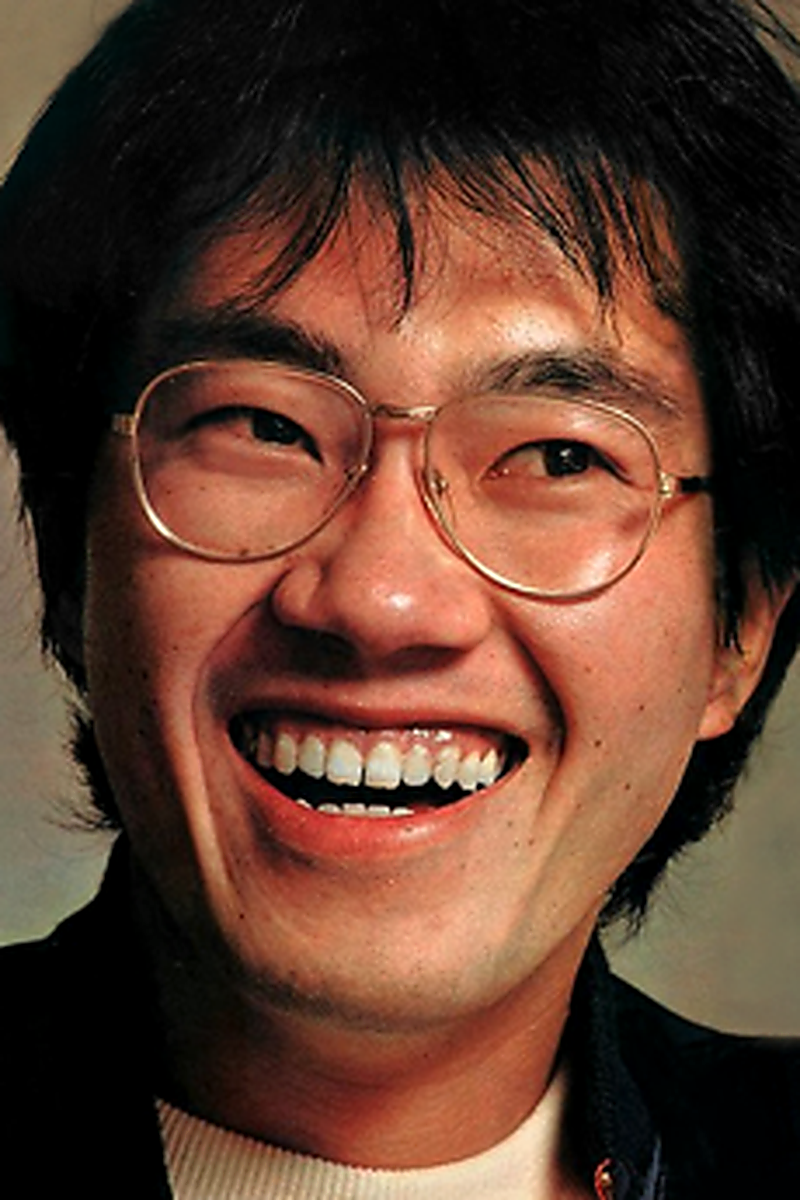
Akira Toriyama
Explore Akira Toriyama's revolutionary career: creator of Dragon Ball, Dr. Slump, and iconic manga. Learn about his artistic genius, influence, and legacy in manga history.
Notable Works:
- • Dragon Ball
- • Dragon Ball Z
- + 3 more

Eiichiro Oda
Discover Eiichiro Oda's remarkable journey from aspiring artist to creator of One Piece, the best-selling manga of all time. Learn about his creative vision and lasting impact.
Notable Works:
- • One Piece
- • Wanted!
- + 1 more
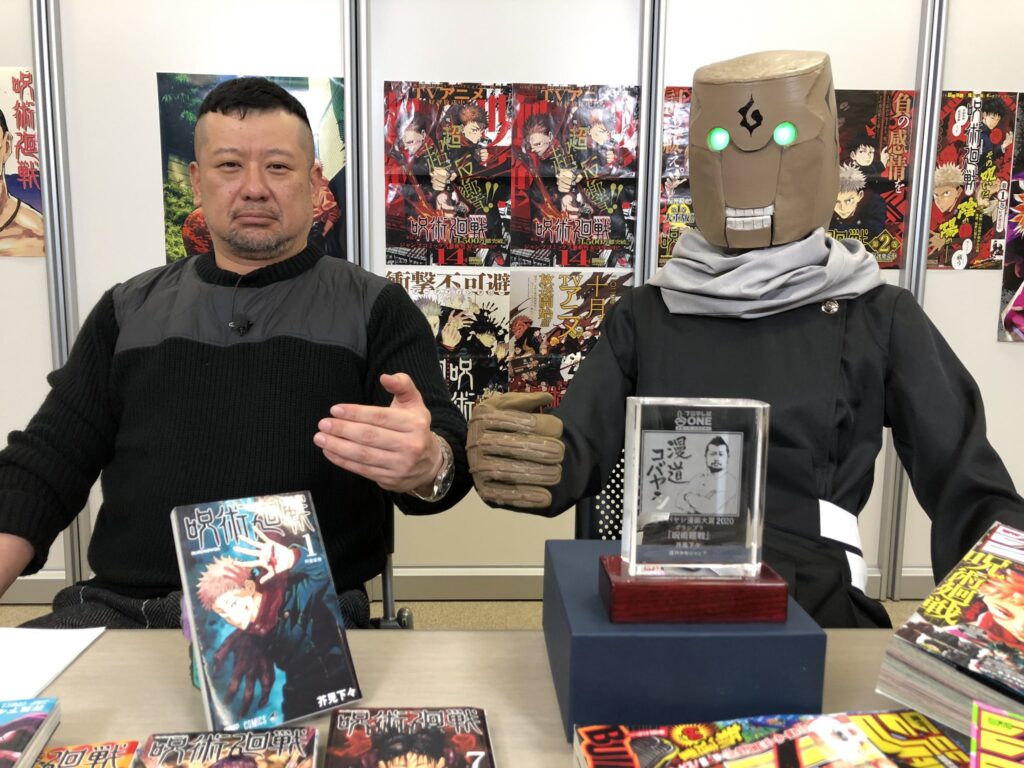
Gege Akutami
Explore Gege Akutami's remarkable ascent in manga. From early works to creating the sensation Jujutsu Kaisen, discover this rising star's artistic journey and influence.
Notable Works:
- • Jujutsu Kaisen
- • Kuchisaki Dounatsu
- + 1 more