George Morikawa
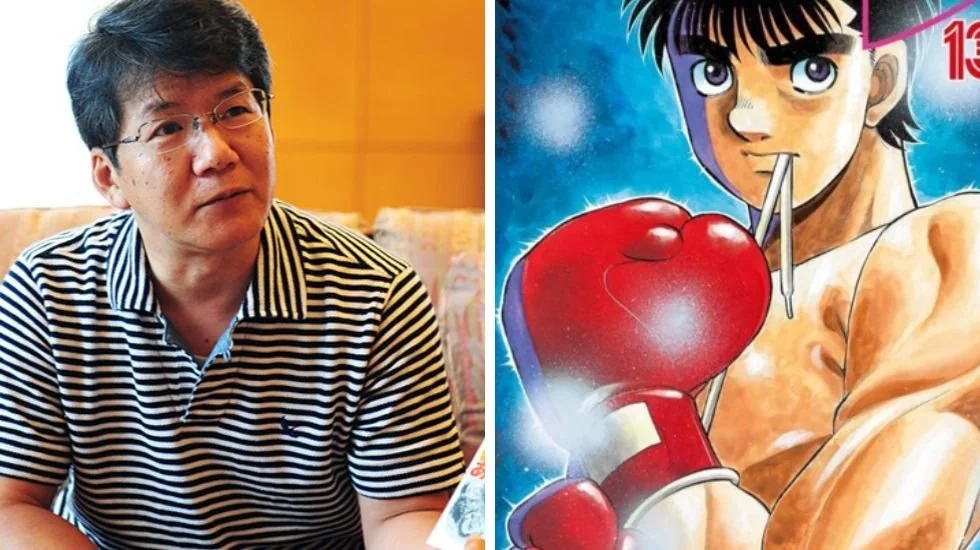
Explore the remarkable career of George Morikawa, creator of Hajime no Ippo — manga's longest-running boxing series and a testament to the power of sustained creative dedication.
Early Life and Artistic Development
George Morikawa was born on July 12, 1966, in Japan. Coming of age in the 1970s and early 1980s, he was shaped by the golden era of sports manga — titles like Ashita no Joe (the foundational boxing manga that preceded his own work) and the broader tradition of shōnen stories built around physical discipline, rivalry, and the forging of self through competition.
Boxing in particular captured Morikawa’s imagination. The sport’s fundamental drama — two athletes alone in a ring, nothing between them but training, will, and technique — offered a storytelling purity that team sports could not replicate. The emotional arc of a boxer’s career, from tentative beginner to seasoned champion and eventually to the inevitable twilight of ability, gave Morikawa a narrative structure vast enough to sustain decades of storytelling.
He broke into professional manga in the late 1980s through Weekly Shōnen Magazine (Kodansha), where he would spend his entire career.
Professional Career and Rise to Fame
The Beginning: Launching Hajime no Ippo
In October 1989, Morikawa began serializing Hajime no Ippo (known internationally as Fighting Spirit or Knockout) in Weekly Shōnen Magazine. The series follows Makunouchi Ippo, a shy, bullied high school student who stumbles into boxing through a chance encounter with professional featherweight Takamura Mamoru. What begins as self-defense training evolves into a total commitment to the sport and, ultimately, a quest for the Japanese featherweight championship — and beyond.
The series was an immediate hit. It won the Kodansha Manga Award for Shōnen manga in 1991, just two years into serialization, establishing Morikawa as one of the magazine’s cornerstone creators.
35+ Years of Continuous Serialization
What makes Hajime no Ippo extraordinary is not just its quality — it is its duration. As of early 2026, Morikawa has been serializing the same story for over 35 years without conclusion. The manga has produced:
- Over 145 volumes of collected chapters
- More than 1,400 chapters
- Over 100 million copies in print worldwide — placing it among the best-selling manga franchises in history
- Three anime adaptations:
- Hajime no Ippo (2000–2002, 75 episodes) by Madhouse
- Hajime no Ippo: New Challenger (2009, 26 episodes)
- Hajime no Ippo: Rising (2013–2014, 25 episodes)
The sustained serialization is unprecedented in mainstream manga. While series like Golgo 13 and Kochikame ran for comparable or longer periods, Hajime no Ippo maintains a continuous, evolving narrative rather than an episodic anthology structure — making Morikawa’s achievement even more remarkable from a storytelling standpoint.
Evolution of the Series
Over its decades-long run, Hajime no Ippo has evolved considerably. Early volumes focus tightly on Ippo’s development and his fights for the Japanese featherweight title. As the series matured, Morikawa expanded the scope enormously:
- Teammates Kimura, Aoki, and Itagaki received full career arcs of their own
- Rival Ichiro Miyata’s career developed in parallel, converging with Ippo’s at critical moments
- The shadow of Ippo’s growing punch-drunk symptoms — never shied away from — added a tragic dimension to the later arcs
- World championship fights, international challengers, and retirement-and-return storylines deepened the canvas
The willingness to engage honestly with boxing’s physical toll on its participants — the neurological damage that accumulates with every bout — gives Hajime no Ippo a maturity rare in sports manga and separates Morikawa from creators who romanticize competition without acknowledging its costs.
Artistic Style and Narrative Approach
Morikawa’s art style has evolved dramatically over 35 years. Early Hajime no Ippo features the clean, somewhat stiff character designs typical of late-1980s shōnen. By the 2000s, his linework had become more fluid and his action sequences more cinematically composed. By the 2010s onward, his boxing panels achieve a genuine dynamism — freeze-frame captures of punches, guard breaks, and footwork that communicate both the speed and the physical impact of elite-level boxing.
Technical boxing accuracy: Morikawa researches boxing extensively, and the sport in Hajime no Ippo is rendered with technical credibility. Techniques like the Dempsey Roll (Ippo’s signature move), the gazelle punch, and various counterpunching strategies are explained and deployed with enough fidelity that the series has become something of a boxing education for its readership.
Character ensemble depth: The Kamogawa Boxing Gym roster — Takamura, Kimura, Aoki, Itagaki, and eventually Ippo himself as coach — is one of sports manga’s great ensemble casts. Each character’s career trajectory is emotionally distinct, and their dynamics within the gym (competitive but fundamentally fraternal) provide the comedic and emotional texture that sustains reader investment between major fight arcs.
Long-game storytelling: Morikawa thinks in arcs that span years of publication. Setups planted in volume 30 pay off in volume 90. Rivalries that seem resolved return with new dimensions. This long-game approach rewards committed readers with a richness that shorter series cannot offer.
Key Achievements
- 35+ years of uninterrupted serialization in Weekly Shōnen Magazine — among the longest continuous narratives in manga history
- Over 100 million copies in print worldwide
- Won the Kodansha Manga Award (Shōnen, 1991)
- Three separate anime adaptations across three different decades (2000, 2009, 2013)
- Produced boxing manga’s definitive long-form narrative, referenced by fighters and fans internationally as an authentic portrayal of the sport
Personal Life and Creative Philosophy
Morikawa is known within the industry as intensely dedicated to accuracy. He trains in boxing himself to maintain physical understanding of what he depicts, an unusual degree of method research that pays dividends in the credibility of Hajime no Ippo’s fight scenes.
He has expressed in interviews the philosophy that a fighter’s story is never truly over — that retirement, comeback, and the assessment of a career’s meaning are as dramatically rich as the fights themselves. This belief explains why the series has refused to reach a conventional conclusion: for Morikawa, the story continues as long as the characters have something left to discover about themselves.
The question of when Hajime no Ippo will end has been a persistent subject of fan speculation for years. Morikawa has indicated the story is progressing toward its conclusion, but has declined to provide a timeline.
Legacy and Industry Impact
George Morikawa’s legacy is inseparable from Hajime no Ippo itself — a work that has outlasted trends, editorial regimes, and entire generations of competing manga, and that continues to be read by new audiences discovering the series decades after its launch.
The series is, alongside Ashita no Joe, the definitive boxing manga — but where Joe ended in tragedy and finality, Hajime no Ippo is defined by endurance. Ippo’s persistent, incremental growth mirrors Morikawa’s own career: neither brilliant and explosive, but relentless, honest, and impossible to dismiss.
For aspiring mangaka, Morikawa’s career poses both an inspiring and humbling challenge. He demonstrates that consistency — showing up every week for 35 years with the same commitment to craft — is itself a form of artistic greatness that flash and novelty cannot replicate. The long game, executed without shortcuts, produces its own kind of monument.
FAQ: George Morikawa
Other Mangakas You May Like
All mangakas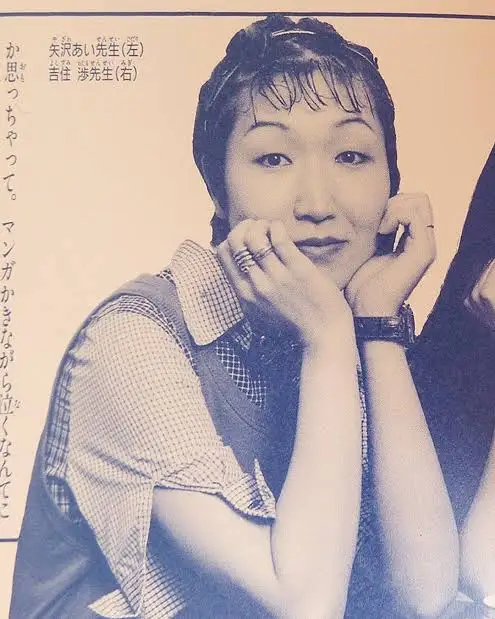
Ai Yazawa
Discover the life and enduring legacy of Ai Yazawa, one of manga's greatest storytellers, whose series Nana changed what shōjo manga could be — and whose hiatus became one of the industry's most followed stories.
Notable Works:
- • Nana
- • Paradise Kiss
- + 2 more

Aka Akasaka
Aka Akasaka is a highly accomplished Japanese manga writer known for genre mastery across romantic comedy and dark drama. His works Kaguya-sama: Love Is War and Oshi no Ko have achieved massive commercial and critical success, with Kaguya-sama selling over 22 million copies worldwide. Akasaka is celebrated for subverting genre conventions, creating complex psychological narratives, and exploring moral ambiguity in compelling storytelling.
Notable Works:
- • Kaguya-sama: Love Is War
- • Oshi no Ko
Akira Toriyama
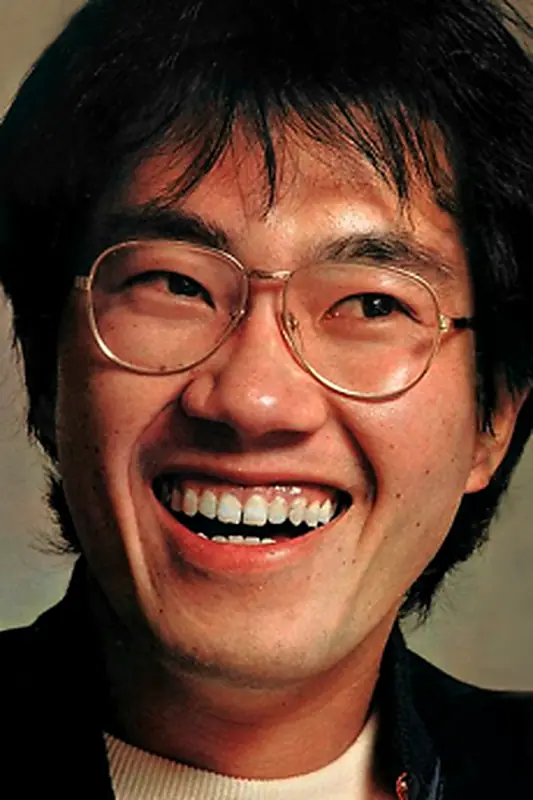
Explore Akira Toriyama's revolutionary career: creator of Dragon Ball, Dr. Slump, and iconic manga. Learn about his artistic genius, influence, and legacy in manga history.
Notable Works:
- • Dragon Ball
- • Dragon Ball Z
- + 3 more

CLAMP
Discover CLAMP, the iconic collective of four talented female manga artists. Explore their revolutionary works from Cardcaptor Sakura to xxxHolic and their lasting industry impact.
Notable Works:
- • Cardcaptor Sakura
- • xxxHolic
- + 4 more