What Is a Mangaka? Meaning, Roles and a First Practice
Learn what a mangaka does, how writers and artists can share the work, and how to turn a short idea into your first comic.
A mangaka is a creator of manga: Japanese comics. A creator may write and draw a work, or collaborate with a writer, artist, assistants and an editor. The credits tell you how the work is divided; the word alone does not prove that one person makes every part.
If you need the definition of the medium first, read what manga is. Here we focus on the people and process behind a page.
Mangaka, writer and illustrator at a glance
| Role | Main responsibility | What to check |
|---|---|---|
| Creator doing story and art | Plans the narrative and draws the pages | The work’s story and art credits |
| Writer in a collaboration | Develops the story, scenes and dialogue | Whether another creator is credited for art |
| Manga artist in a collaboration | Turns the narrative into drawn pages | Their contribution to layout and visual storytelling |
| Assistant | Helps with agreed production tasks | Tasks vary by team; this is not a universal job description |
| Editor | Discusses concepts, revisions and publication | Their role differs from authorship |
Death Note is a clear example: its publisher credits Tsugumi Ohba as writer and Takeshi Obata as illustrator. Compare that with Eiichiro Oda’s One Piece, where Oda receives both story and art credit. Collaboration is part of manga creation.
What happens between an idea and a finished page?
A practical workflow has several kinds of decisions. Their order can change, and creators often revise earlier steps.
- Choose the scene: what does a character want, and what interrupts them?
- Plan the storyboard: distribute events across pages and panels. A rough storyboard is often called a name or nemu.
- Review the reading experience: can a reader follow the action without an explanation from you?
- Draw and finish: develop the rough page into final artwork, lettering and other production work.
- Check the output: make sure the text is readable and the file meets the intended publication’s requirements.
The Shueisha interview with the editor of My Hero Academia describes discussing concepts and working through storyboards. It is an account of one collaboration, not a fixed procedure every creator must follow.
Do all mangaka work weekly or alone?
No. The work’s format and publication determine the schedule: a short standalone story, a serial or an independently published comic can have different requirements. A publisher’s page limit and submission rules matter more than a generic claim about a “normal” working week.
For example, the Jump+ recruitment notice says serialized installments do not have a fixed page count. Read the current rules for your target publication before preparing a submission. A publication’s requirements are not a guarantee of acceptance.
How to start if you want to make manga
Choose an exercise that tests sequential storytelling rather than only character drawing. Our suggested first project is a four-page complete story; four pages is a practice constraint, not an industry standard.
| If you struggle with… | Try this next | Completion check |
|---|---|---|
| Too many ideas | Give one character one immediate goal | You can explain the conflict in one sentence |
| Drawing before planning | Sketch small, rough panels first | Every panel changes what the reader knows |
| Dialogue that repeats the picture | Remove one explanatory line | The scene still makes sense |
| Never finishing | Limit locations and characters | There is an ending, even with rough art |
Follow the four-page manga writing exercise for a premise, panel table and illustration you can compare with your own draft. Ask a reader to describe the action before you explain it; their hesitation shows where to revise.
Creators to explore by what you want to learn
- Eiichiro Oda: compare how an adventure introduces a goal and a larger world.
- Akira Toriyama: explore the distinction between his manga and their anime adaptations.
- Death Note: examine a work with separate story and art credits.
For earnings, use a dated contract or publisher notice rather than a universal salary claim. Our industry statistics guide shows how to interpret one page-rate example and what it cannot tell you about take-home income.
Browse the manga guides and creators on the homepage when you want to choose your next topic.
FAQ
Sources and verification
References consulted to verify the main factual claims in this article.
- Death Note: story and art credits — VIZ Media / Simon & Schuster
- My Hero Academia editor interview — Shueisha
- Jump+ submission notice — Shueisha
Related Articles
History of Manga: A Timeline from Hokusai to Digital Publishing
Follow manga history through dated examples. Distinguish Hokusai’s sketchbooks, Tezuka’s postwar works and today’s digital publishing.
What Is Manga? Reading Order and Choosing a First Series
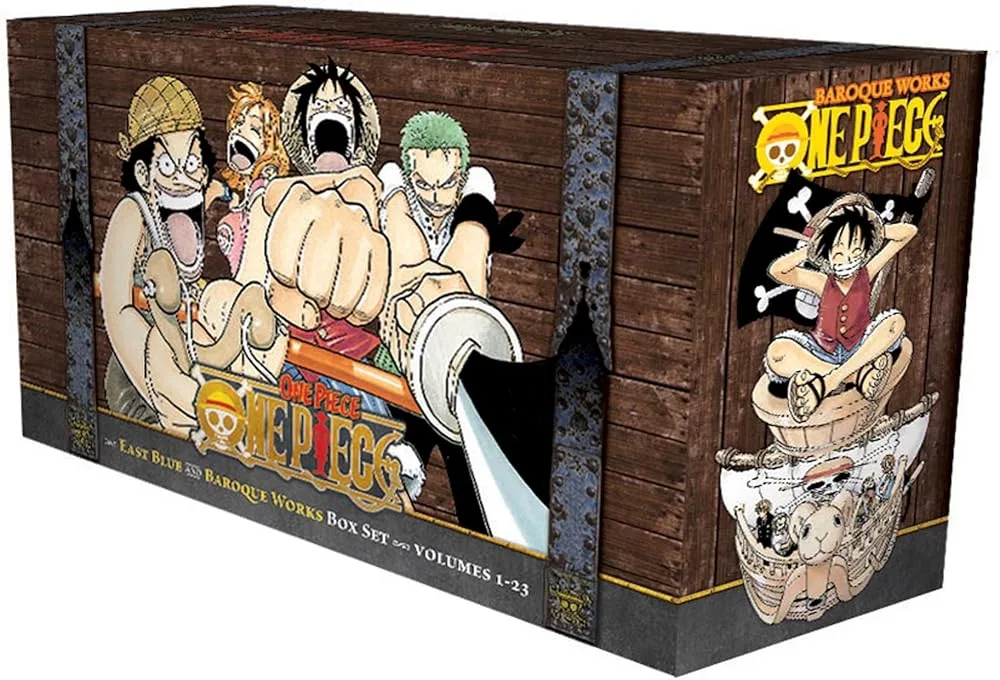
Understand manga, practise reading order with a diagram and choose a first series based on your interests and its edition.