Best Josei Manga: 16 Essential Series for Adult Women Readers
The best josei manga ever written — mature romance, workplace drama, and complex relationships that shojo never explores. Essential reading for adult manga fans.
Josei manga is where manga stops pretending love is simple.
While shojo explores the electric uncertainty of first romance, josei begins after the confession — when the relationship has to survive rent, career disappointments, past trauma, and the slow revelation of who someone actually is when the honeymoon ends. It’s the manga demographic that most directly mirrors the experience of adult women readers, and the best of it is as emotionally sophisticated as any literary fiction.
This guide covers 16 essential josei series — from foundational classics to criminally underread gems — organized to help you find your entry point into the genre.
What Makes Josei Different
The defining quality of josei isn’t just age-appropriateness or sexual content (though both exist). It’s tonal realism. Josei protagonists don’t always end up with the right person. Relationships that seem perfect develop cracks. Characters make choices that are understandable but wrong. The genre has a higher tolerance for ambiguity than any other manga demographic — and that’s precisely what makes it resonate with adult readers.
Josei is published in magazines like Josei Comic, Feel Young, Cocohana, and Chorus. The art tends toward detailed facial expressions and atmospheric settings rather than action dynamics. Reading josei after years of shojo feels like switching from fairy tales to Alice Munro.
The Classics: Where Josei Defined Itself
1. Nana by Ai Yazawa
Volumes: 21 (Hiatus since 2009) | Genre: Romance, Drama, Music
The essential josei manga. Two women named Nana — one a free-spirited punk rock vocalist, one a romantic dreamer following her boyfriend to Tokyo — become unlikely roommates and the most important people in each other’s lives.
Ai Yazawa’s masterwork is simultaneously a story about romantic love and a story about female friendship as the central relationship of adult life. Nana Osaki’s band, BLAST, and its rivalry with the mainstream group Trapneze provide the backdrop for a meditation on ambition, class, loyalty, and what we sacrifice for love.
The fashion design is extraordinary — Yazawa worked as a fashion illustrator, and every character’s wardrobe communicates their psychology with precision. The panel composition is cinematic, and the emotional beats land with devastating accuracy.
Nana has been on hiatus since 2009 due to Yazawa’s illness, with no confirmed return. The 21 volumes that exist are complete enough to be profoundly moving — but be aware the story doesn’t formally conclude.
Why it defines the genre: No manga before or since has depicted female friendship with as much complexity. The Nana-Nana relationship is the emotional core, not the romantic subplots.
2. Honey and Clover by Chica Umino
Volumes: 10 (Complete) | Genre: Romance, Slice of Life, Comedy
Five art students navigating love, friendship, and identity at a Tokyo art college. Each character wants something they can’t quite reach: Takemoto doesn’t know who he is, Morita is brilliantly gifted and impossible to understand, Mayama loves someone who loves someone else, Hagu creates art like breathing but can barely connect with the world.
Honey and Clover is the best josei manga for readers coming from literary fiction. It’s more concerned with the texture of particular years in a life than with plot mechanics. The humor is warm and frequently absurd; the sadness arrives without warning and cuts deep. Umino (who later created March Comes in Like a Lion) is one of the medium’s finest writers.
At 10 volumes it’s the most efficient read on this list — no wasted chapter.
Why it’s essential: The most honest depiction of the experience of being 20-something and overwhelmed by possibility, love, and confusion in any comic format.
3. Chihayafuru by Yuki Suetsugu
Volumes: 50 (Complete) | Genre: Sports, Romance, Drama
Chihaya Ayase discovers karuta — a competitive card game based on classical Japanese poetry — and dedicates her high school and college years to becoming the best in Japan. The story runs in parallel with a slowly evolving love triangle between Chihaya, childhood friend Taichi, and the quiet prodigy Arata.
Chihayafuru is technically published in a josei magazine despite having a shonen-style sports premise. It works because Suetsugu uses the karuta competition to explore ambition, identity, and the complexity of loving multiple people differently. The sports sequences are genuinely thrilling even if you know nothing about the game.
At 50 volumes it’s the longest complete series on this list. The investment pays off — the ending is one of the most emotionally earned conclusions in recent manga.
Why it stands out: A complete sports narrative with a satisfying romantic resolution — rare in manga of either genre. The final volumes deliver on 15 years of setup.
4. Solanin by Inio Asano
Volumes: 2 (Complete) | Genre: Slice of Life, Drama, Music
Meiko Inoue quits her corporate job at 24 because she can’t stand it anymore. Her boyfriend Taneda still plays guitar in a band that never quite breaks through. Solanin is the story of the specific exhaustion of being young, not poor exactly, but not financially secure, talented but not exceptional, loved but uncertain about the future.
Asano’s art is hyperdetailed and melancholic. His characters look like real people in a way that’s unusual for manga. Solanin is his most accessible work and his most purely emotional one — the kind of story that captures a feeling so precisely it becomes a document of what it was like to be that age.
At 2 volumes it’s one afternoon. Worth every page.
Why it’s essential: The manga that made a generation feel seen. If you’ve ever quit a job because you couldn’t explain why it felt wrong, this is your manga.
The Contemporary Canon
5. Butterflies, Flowers by Yuki Yoshihara
Volumes: 8 (Complete) | Genre: Romance, Comedy
Choko Kuze is a new employee at a company. Her boss, Masayuki Domoto, is demanding, exacting, and impossible. He’s also, it turns out, the son of the servants who worked for her wealthy family before they lost everything. He grew up in her house. He’s never forgotten.
Butterflies, Flowers plays with power dynamics and class in a way that shojo manga typically avoids. The comedy is sharp — Domoto’s split personality between “professional tyrant boss” and “hopelessly devoted admirer” generates most of the humor — but the emotional core is surprisingly serious. Yoshihara is expert at using genre conventions ironically while still delivering on them.
Best for: Readers who enjoy office romance with actual stakes and a protagonist who has agency.
6. Tramps Like Us (Kimi wa Pet) by Yayoi Ogawa
Volumes: 14 (Complete) | Genre: Romance, Drama
Sumire Iwaya is a high-achieving journalist who has everything except a relationship that doesn’t make her feel terrible about herself. She finds an injured young man on the street and, on impulse, lets him live in her apartment as her “pet.” Momo is younger, physically smaller than her, and completely devoted.
Tramps Like Us is a thoughtful, often funny examination of what women sacrifice in relationships to be perceived as appropriately feminine — and what it might feel like to have a relationship with no power dynamics at all. The subversion of typical gender roles is handled with intelligence rather than as shock value.
Best for: Readers interested in relationships that challenge conventional expectations.
7. Princess Jellyfish (Kuragehime) by Akiko Higashimura
Volumes: 17 (Complete) | Genre: Comedy, Romance, Slice of Life
Tsukimi Kurashita is an otaku who loves jellyfish and lives in an all-female apartment building with other women who are obsessively devoted to their respective interests. When she meets Kuranosuke — a gorgeous young man who cross-dresses partly to escape his politically powerful family — her world gets considerably more complicated.
Princess Jellyfish is the funniest manga on this list and one of the funniest manga published in the last two decades. It’s also quietly thoughtful about social anxiety, creativity, and what it means to be “weird” in a world that doesn’t have patience for it. Higashimura’s comedic timing is extraordinary.
Best for: Readers who want to laugh without sacrificing emotional depth.
8. March Comes in Like a Lion by Chica Umino
Volumes: 17+ (Ongoing) | Genre: Drama, Slice of Life
Rei Kiriyama is 17 years old and a professional shogi player. He lives alone, doesn’t attend high school, and carries a weight of depression and isolation that the manga depicts with unusual psychological accuracy. His relationship with a family of three sisters (and their cooking) slowly opens him back up to connection.
Umino’s second major work is her most ambitious and possibly her best. The shogi competition sequences are tense and beautifully composed; the sequences depicting Rei’s depression are some of the most honest portrayals of mental health in comics. Published in a josei magazine, it has the emotional sophistication of the genre without being primarily a romance.
Best for: Readers who appreciate quiet, contemplative manga that takes mental health seriously.
9. Paradise Kiss by Ai Yazawa
Volumes: 5 (Complete) | Genre: Romance, Fashion, Drama
A prequel/spin-off of Yazawa’s earlier Gokinjo Monogatari, Paradise Kiss follows Yukari — a high school student pressured to do nothing but study — who gets swept into the world of a group of fashion students designing for their graduation show. She becomes their model and falls into a relationship with George, the beautiful, infuriating designer leading the group.
At 5 volumes, Paradise Kiss is the most concentrated version of what Yazawa does best: romantic attraction that’s complicated by incompatibility, characters who love each other but can’t make each other happy, and fashion as a vehicle for ideas about identity and self-presentation.
The ending is genuinely brave for the genre — and lingers long after you finish.
Best for: Fashion enthusiasts and readers who want romance that doesn’t offer easy resolutions.
10. Midnight Secretary by Tomu Ohmi
Volumes: 7 (Complete) | Genre: Romance, Fantasy
Kaya Satozuka is an extremely efficient personal secretary. Her boss, Kyouhei Touma, is demanding, arrogant, and — it turns out — a vampire. Touma initially dismisses her as useless to him. Then he tastes her blood and changes his mind.
Midnight Secretary uses vampire mythology to explore workplace power dynamics and desire with unusual directness for the medium. It’s one of the most purely romantic entries on this list — if you want feelings delivered at maximum intensity with minimal detours, this is your series.
Best for: Readers who want fantasy romance with adult framing and no apologies.
11. Suppli by Mari Okazaki
Volumes: 10 (Complete) | Genre: Drama, Romance, Workplace
Minami Fujii works in advertising. She’s good at her job, has a long-term boyfriend she’s comfortable with, and is generally doing fine. Then she meets a new coworker, her relationship falls apart, and she begins to understand that “fine” and “alive” aren’t the same thing.
Suppli is quieter than most josei manga — it prioritizes the texture of Tokyo professional life over melodrama. Okazaki’s art is clean and modern, with character expressions carrying most of the emotional weight. If you find most romance manga too theatrical, Suppli’s restraint will be its chief appeal.
Best for: Readers who prefer realism over heightened drama.
12. Happy Marriage?! by Maki Enjoji
Volumes: 10 (Complete) | Genre: Romance, Comedy
Chiwa Takanashi agrees to a marriage arrangement to pay off her father’s debts. Her new husband is the young CEO Hokuto Mamiya — cold, demanding, and initially contemptuous. She refuses to be intimidated by him. He gradually cannot ignore her.
Happy Marriage?! is the most genre-conventional series on this list — if you enjoy the trappings of arranged marriage romance with strong comedic timing and an eventually warm emotional core, it delivers. Enjoji is particularly good at the moment a seemingly cold character’s actual feelings break through.
Best for: Readers who want josei romance with clear genre satisfaction.
13. Basilisk (Kouga Ninpou Chou) by Masaki Segawa
Volumes: 5 (Complete) | Genre: Historical Action, Tragedy
Adapted from a novel and technically a seinen manga, Basilisk’s central relationship — two ninja heirs from rival clans who fall in love while their families are at war — has made it essential josei-adjacent reading for adult women who want something darker than most romance manga offers. The Romeo-and-Juliet structure is executed with breathtaking ruthlessness: practically every chapter kills someone important.
Best for: Readers who want tragic romance with actual consequences and extraordinary historical action artwork.
14. Lovesick Ellie by Fujimomo
Volumes: 11 (Complete) | Genre: Romance, Comedy
Eriko “Ellie” Ichimura spends her school days writing fantasy scenarios about her handsome classmate Ohmi Sawa in her phone notes. Ohmi has a perfect public image and privately has zero patience for anyone. He catches Ellie’s secret. Instead of being horrified, this creates an unlikely connection.
Lovesick Ellie is the most recent series on this list and captures something specific about social media-era introversion — the gap between a rich interior fantasy life and social paralysis. The comedy is warm and the romance earns its feelings.
Best for: Readers who want contemporary josei romance with relatable social anxiety humor.
15. Moteki by Mitsurou Kubo
Volumes: 4 (Complete) | Genre: Romance, Drama, Comedy
Yukiyo Fujimoto is 29, unemployed, and has never had a successful relationship. Suddenly multiple women from his past begin reaching out simultaneously. He has no idea what he’s doing.
Kubo (who later wrote Yuri!!! on Ice) is interested in desire, self-sabotage, and the specific embarrassment of wanting something and not knowing how to want it well. Moteki is unusually honest about male romantic failure without being about it as a complaint. The female characters have their own complete perspectives.
Best for: Readers who appreciate narratives that examine desire from an unflattering angle.
16. We Were There (Bokura ga Ita) by Yuuki Obata
Volumes: 16 (Complete) | Genre: Romance, Drama
Nanami Takahashi falls in love with Motoharu Yano in high school — the most popular boy in class, who carries the shadow of his previous girlfriend’s death. The series follows them from high school through early adulthood across circumstances that should be impossible to navigate.
We Were There belongs on the boundary between shojo and josei — it begins in high school but its concerns are fully adult by the end. Obata’s art is expressive and delicate, and the pacing of emotional revelation is precise. If the high school beginning deters you, commit past Volume 5 where the story becomes fully itself.
Best for: Readers who want emotionally devastating romance with a complete arc from youth to adulthood.
Reading Guide: Where to Start
Never read josei before: → Start with Honey and Clover (10 volumes, complete, no prior manga knowledge needed) or Solanin (2 volumes, one afternoon)
Loved shojo, ready for something more complex: → Nana is the direct evolution — same emotional territory, adult stakes
Want something funny: → Princess Jellyfish or Butterflies, Flowers
Want something with competition/sports: → Chihayafuru (complete, enormously satisfying)
Want psychological depth: → March Comes in Like a Lion or Suppli
Want romance with no complications: → Midnight Secretary or Happy Marriage?!
Want something short and devastating: → Solanin (2 volumes) or Paradise Kiss (5 volumes)
Josei vs. Shojo: A Quick Reference
| Shojo | Josei | |
|---|---|---|
| Target audience | Girls 10–18 | Women 18–40 |
| Typical setting | School | Workplace, urban adult life |
| Romance type | First love, confession arc | Established relationships, adult complexity |
| Endings | Usually happy | Variable — realistic |
| Magazines | Ribon, Sho-Comi, Hana to Yume | Feel Young, Chorus, Cocohana |
| Classic example | Sailor Moon, Fruits Basket | Nana, Honey and Clover |
The line between shojo and josei is blurry and crossed frequently — Chihayafuru and March Comes in Like a Lion are published in josei magazines but read like shonen sports manga. Genre labels are starting points, not limits.
Further Reading
If you enjoy josei manga, related guides on this site worth exploring:
- Best Shojo Manga of All Time — the shojo classics that lead naturally into josei
- Best Romance Manga — recommendations across all demographics
- Nana manga series page — complete breakdown of Ai Yazawa’s masterwork
- Female Mangaka You Should Know — the creators behind most josei manga
Related Articles

Top 20 Best Seinen Manga of All Time
Explore the greatest seinen manga crafted for adult audiences with mature themes, complex narratives, and artistic excellence.
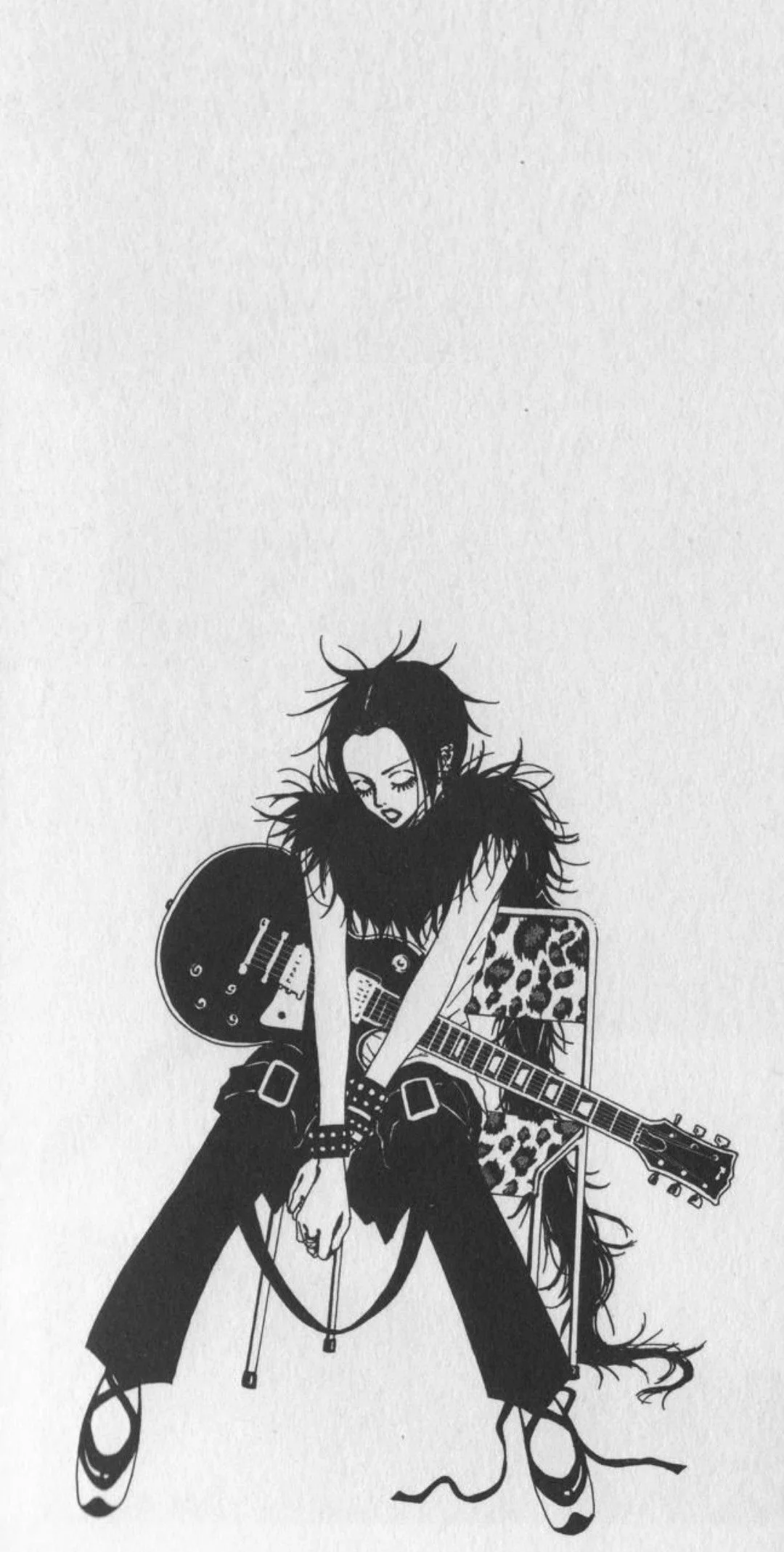
Best Shojo Manga of All Time: 18 Essential Series
The greatest shojo manga ever published, from timeless classics to modern masterpieces. Essential reading for any manga fan regardless of age or gender.
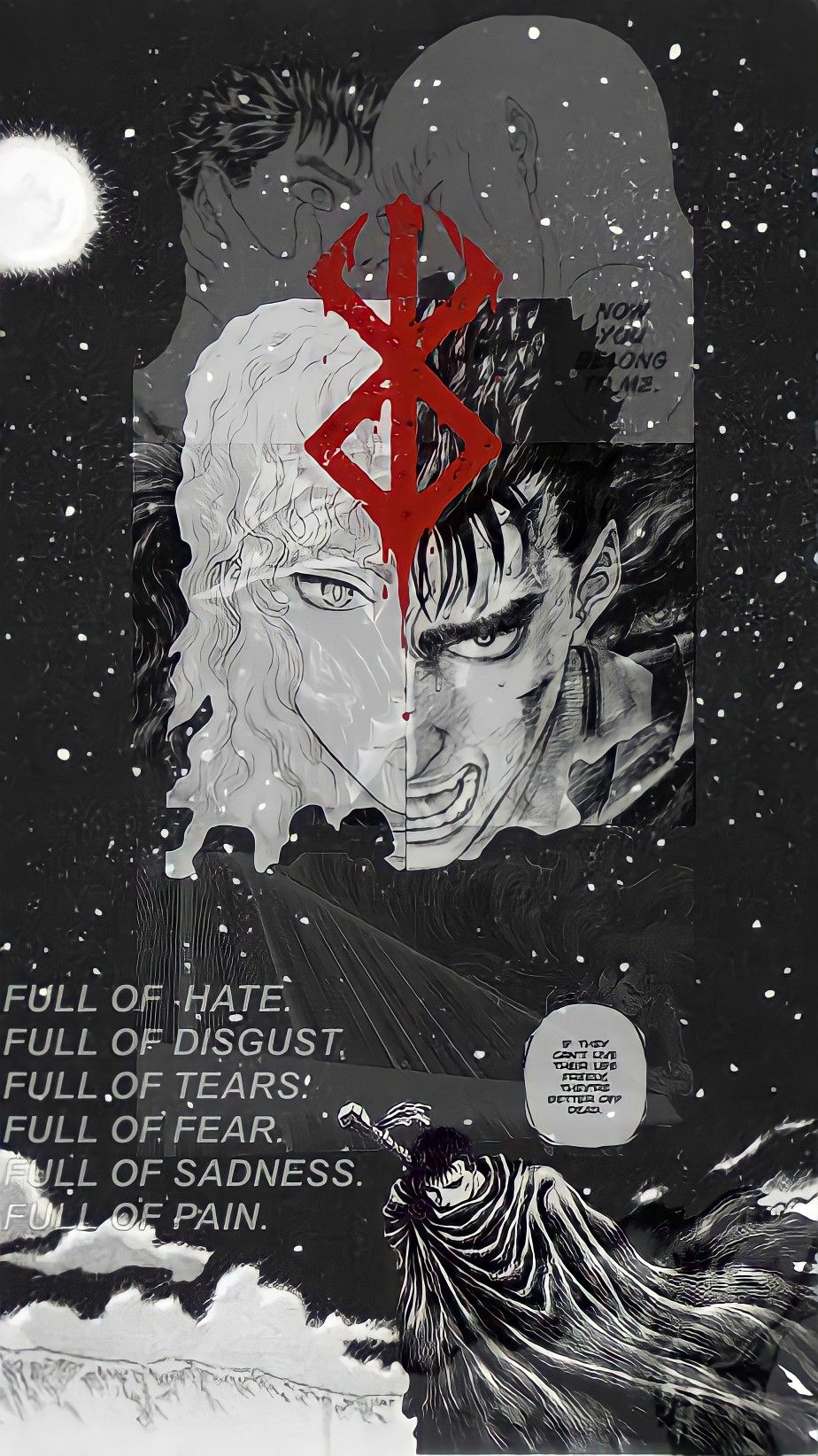
Berserk Manga Reading Order (2026): Complete Guide & Arcs
The complete Berserk reading order and arc guide. From Black Swordsman to Fantasia — how to read Kentaro Miura's masterpiece and what happens after his passing.