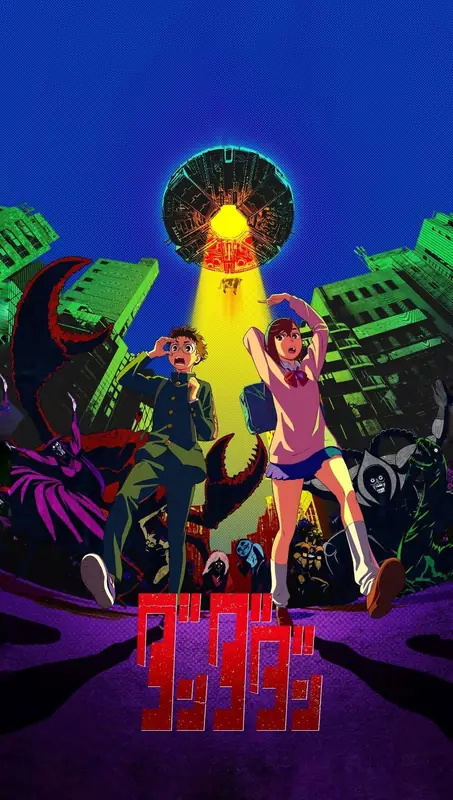
Yukinobu Tatsu
Explore the creative journey of Yukinobu Tatsu, the visionary mangaka behind the wildly popular supernatural action manga Dandadan. Learn about his unique artistic style, career milestones, and influence on modern manga.
Early Life
Yukinobu Tatsu represents a new generation of mangaka who emerged in the 2020s, bringing fresh perspectives and innovative storytelling techniques to the industry. While biographical details about his early life remain relatively limited due to his status as a contemporary creator, what is known suggests a creative individual deeply influenced by the evolution of manga and anime culture during the 2010s and 2020s.
Born in the 1990s, Tatsu grew up during a golden age of anime adaptation and digital distribution of manga. The rise of platforms like Twitter and other social media created new pathways for artists to gain recognition and build fanbases directly. Unlike many established mangaka who began their careers through traditional publishing gatekeepers, Tatsu’s generation had the advantage of learning from and engaging with a global audience from the earliest stages of their artistic development.
His path to becoming a professional mangaka likely involved years of honing his craft, studying the works of influential predecessors, and developing the technical skills necessary for serialization. The transition from aspiring artist to professional mangaka typically involves apprenticeships, submissions to publishers, and multiple projects in various stages of development before achieving a successful serialization. For Tatsu, this journey culminated in his breakthrough work that would capture the imagination of millions.
Career and Notable Works
The Apprenticeship Years and Professional Foundation
Before achieving his breakthrough with Dandadan, Yukinobu Tatsu worked as an assistant to Tatsuki Fujimoto, the celebrated creator of Chainsaw Man. This mentorship proved invaluable in shaping Tatsu’s understanding of dynamic storytelling, character development, and the demanding schedule of serialized manga. Working under Fujimoto’s direction exposed Tatsu to cutting-edge techniques in action choreography, pacing, and the integration of contemporary humor into serious narrative frameworks.
The experience of assisting a top-tier mangaka like Fujimoto cannot be overstated in its importance to Tatsu’s development. Fujimoto is known for his unconventional approach to storytelling, his willingness to subvert expectations, and his masterful control of tone shifts between comedic and dramatic moments. These lessons would become foundational elements of Tatsu’s own creative vision, particularly evident in his handling of the supernatural action genre.
Dandadan: A Breakthrough Achievement
Dandadan stands as Yukinobu Tatsu’s magnum opus and the definitive work that established him as a major creative force in contemporary manga. Launched in 2021, the series immediately captured audiences with its unique blend of supernatural horror, action, romance, and comedy. The manga follows the unlikely partnership between Momo, a delinquent girl with psychic powers, and Okarun, a boy obsessed with UFOs and aliens, as they confront supernatural creatures, extraterrestrial entities, and ancient mysteries.
The series demonstrates remarkable creative confidence and innovation. Rather than confining itself to a single genre, Dandadan fluidly transitions between genuinely comedic moments, intense action sequences, touching romantic development, and genuinely unsettling horror elements. This tonal flexibility, which requires exceptional storytelling skill to execute without jarring the audience, became one of the manga’s defining characteristics and a testament to Tatsu’s artistic maturity.
Dandadan’s commercial success has been extraordinary by any standard. The series achieved rapid popularity both domestically in Japan and internationally through simultaneous translation and distribution. The manga’s success led to various adaptations and merchandise opportunities, including discussions of anime adaptation, which speaks to the breadth of its appeal across different demographics.
The narrative structure of Dandadan reveals Tatsu’s understanding of pacing and audience engagement. Early chapters establish the core characters and their dynamic with perfect comedic timing and visual gags, drawing readers into their world before gradually revealing the larger supernatural mysteries at play. This approach—building character investment before expanding the scope of conflict—is a hallmark of effective long-form storytelling that many beginning mangaka struggle to master.
Artistic Style
Visual Composition and Dynamic Art
Yukinobu Tatsu’s artistic style reflects a synthesis of influences from multiple eras and styles of manga. His character designs demonstrate clear, appealing line work that reads well even in the often-cramped layouts of serialized manga publication. The characters in Dandadan feature distinctive silhouettes and expressive faces that communicate emotion and personality instantly—crucial elements for manga where dialogue must compete with visual storytelling for reader attention.
The action sequences in Tatsu’s work reveal the influence of his mentorship under Fujimoto. His fight choreography utilizes creative paneling, dynamic angles, and imaginative use of negative space to convey motion and impact. Unlike some action mangaka who rely on overly detailed backgrounds or intricate mechanical designs, Tatsu often simplifies elements to emphasize character movement and the visceral impact of combat. This approach keeps pacing brisk while maintaining visual clarity—readers should never become confused about what is happening in an action sequence.
Color Theory and Tonal Control
Though manga is primarily a black-and-white medium, Tatsu demonstrates exceptional understanding of how value contrast and line weight can create visual hierarchy and direct reader attention. His use of screentone (the grayscale texturing technique traditional in manga production) is purposeful and controlled, avoiding both the mud of excessive application and the sterile quality of underutilization.
Tatsu’s approach to depicting supernatural and alien elements shows particular skill. Rather than relying on intricate detail work, he often employs more stylized, almost geometric designs that feel otherworldly precisely because they operate under different visual logic than his naturalistic character designs. This creates an effective contrast that heightens the sense of strangeness and wonder when supernatural elements enter the mundane world of the story.
Comedic Timing in Visual Form
A distinctive feature of Tatsu’s artistic voice is his mastery of comedic visual storytelling. The timing of gags in manga—the arrangement of panels, the pacing of revelations, the placement of reaction shots—requires meticulous technical skill. Tatsu consistently delivers laughs through visual juxtaposition, character expressions, and the strategic placement of information within panels. His comedic panels often feature more exaggerated art styles than dramatic moments, providing clear visual signals to readers about tonal shifts.
Legacy and Influence
Impact on Contemporary Manga
Despite his relatively recent emergence, Yukinobu Tatsu has already begun influencing the broader manga landscape. His success demonstrates that there remains substantial audience appetite for genre-blending narratives that refuse to be confined by traditional category boundaries. In an industry where publishers often prefer works that fit neatly into established subcategories (shounen action, shoujo romance, seinen drama), Tatsu’s willingness to create something that defies such categorization—yet succeeds commercially—provides validation for creative risk-taking.
Dandadan’s international success, facilitated by simultaneous translation and digital distribution, highlights how the manga industry is increasingly global. Tatsu’s work has resonated with readers across cultural boundaries, suggesting that audiences worldwide appreciate innovative storytelling and character-driven narratives regardless of their origin. This has implications for future mangaka, many of whom may increasingly view international audiences as primary rather than secondary markets.
Influence on Assistant Culture
As the manga industry faces ongoing concerns about working conditions and sustainability, Tatsu’s trajectory from valued assistant to successful creator demonstrates the continued importance of mentorship relationships in the medium. His experience working under a master creator like Fujimoto illustrates why the apprenticeship model remains relevant in manga production, despite criticisms of working hour and compensation standards. The relationship between established creators and their assistants continues to be a primary pathway to professional success.
Contributing to Manga’s Evolution
Tatsu’s work contributes to a broader evolution in manga where creators increasingly blend influences from global pop culture, internet culture, and contemporary aesthetics. The internet-native generation of mangaka, of which Tatsu is a prominent example, approaches storytelling with different sensibilities than previous generations. Faster pacing, more rapid tonal shifts, integration of contemporary humor, and awareness of global fandom create a distinct aesthetic that will likely characterize manga of the 2020s and beyond.
The commercial success of Dandadan validates the instincts and sensibilities of this new generation of creators. Publishers and established industry figures are taking note of what works with contemporary audiences, and Tatsu’s example will likely influence editorial decisions, marketing approaches, and the types of stories publishers are willing to greenlight. Younger aspiring mangaka see in Tatsu’s success a template for creative freedom and innovation that works within the commercial manga system.
Role in Supernatural Action Subgenre
Within the supernatural action genre specifically, Tatsu has brought renewal and innovation. The genre has a long history in manga, from classics like GeGeGe no Kitaro to more recent works, yet Tatsu found space for something that felt simultaneously traditional and fresh. By grounding supernatural spectacle in character relationships and genuine emotional stakes, he elevated the genre beyond mere action-for-action’s sake. This influence extends to how other creators might approach supernatural narratives—the importance of character development and interpersonal dynamics cannot be overlooked.
Continuing Evolution and Future Prospects
As of the mid-2020s, Yukinobu Tatsu remains actively developing Dandadan, with the series showing no signs of diminished creative energy. The ongoing success suggests a mangaka hitting his stride, secure in his abilities and growing in technical mastery with each chapter. The potential for continued innovation and evolution in his storytelling remains substantial.
The adaptation landscape for Dandadan—particularly animated adaptations—will likely expose Tatsu’s work to even broader audiences and create opportunities for multimedia storytelling. How Tatsu’s visual style translates to animation, and how Tatsu himself may involve in such adaptations, will be significant in determining his long-term legacy.
Yukinobu Tatsu represents the contemporary manga creator—digitally native, globally aware, unafraid to blend genres, and committed to character-driven storytelling within action-oriented frameworks. His continued development and success will likely inspire countless aspiring mangaka and influence the direction of manga publishing for years to come. In a relatively short time, he has established himself as a significant creative voice in one of the world’s most important storytelling mediums.
FAQ: Yukinobu Tatsu
Other Mangakas You May Like
All mangakas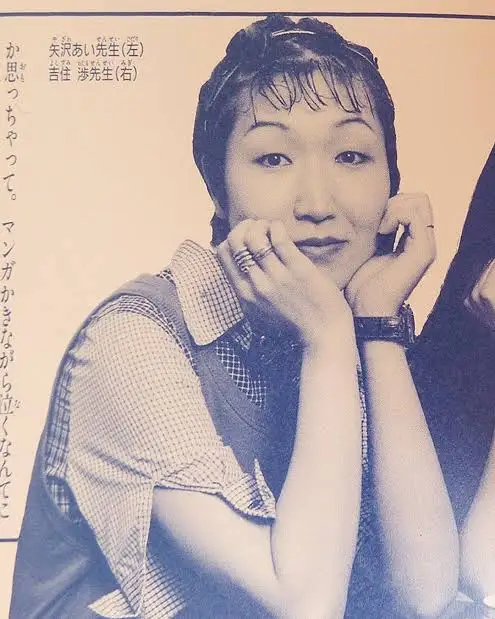
Ai Yazawa
Discover the life and enduring legacy of Ai Yazawa, one of manga's greatest storytellers, whose series Nana changed what shōjo manga could be — and whose hiatus became one of the industry's most followed stories.
Notable Works:
- • Nana
- • Paradise Kiss
- + 2 more

Aka Akasaka
Aka Akasaka is a highly accomplished Japanese manga writer known for genre mastery across romantic comedy and dark drama. His works Kaguya-sama: Love Is War and Oshi no Ko have achieved massive commercial and critical success, with Kaguya-sama selling over 22 million copies worldwide. Akasaka is celebrated for subverting genre conventions, creating complex psychological narratives, and exploring moral ambiguity in compelling storytelling.
Notable Works:
- • Kaguya-sama: Love Is War
- • Oshi no Ko
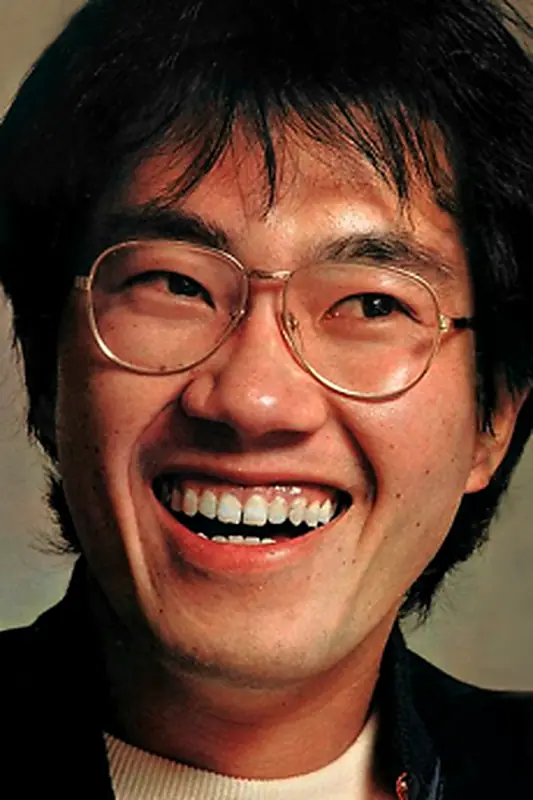
Akira Toriyama
Explore Akira Toriyama's revolutionary career: creator of Dragon Ball, Dr. Slump, and iconic manga. Learn about his artistic genius, influence, and legacy in manga history.
Notable Works:
- • Dragon Ball
- • Dragon Ball Z
- + 3 more

CLAMP
Discover CLAMP, the iconic collective of four talented female manga artists. Explore their revolutionary works from Cardcaptor Sakura to xxxHolic and their lasting industry impact.
Notable Works:
- • Cardcaptor Sakura
- • xxxHolic
- + 4 more