Neon Genesis Evangelion
A psychological mecha manga where teenage pilots battle mysterious creatures while struggling with existential dread and human connection.
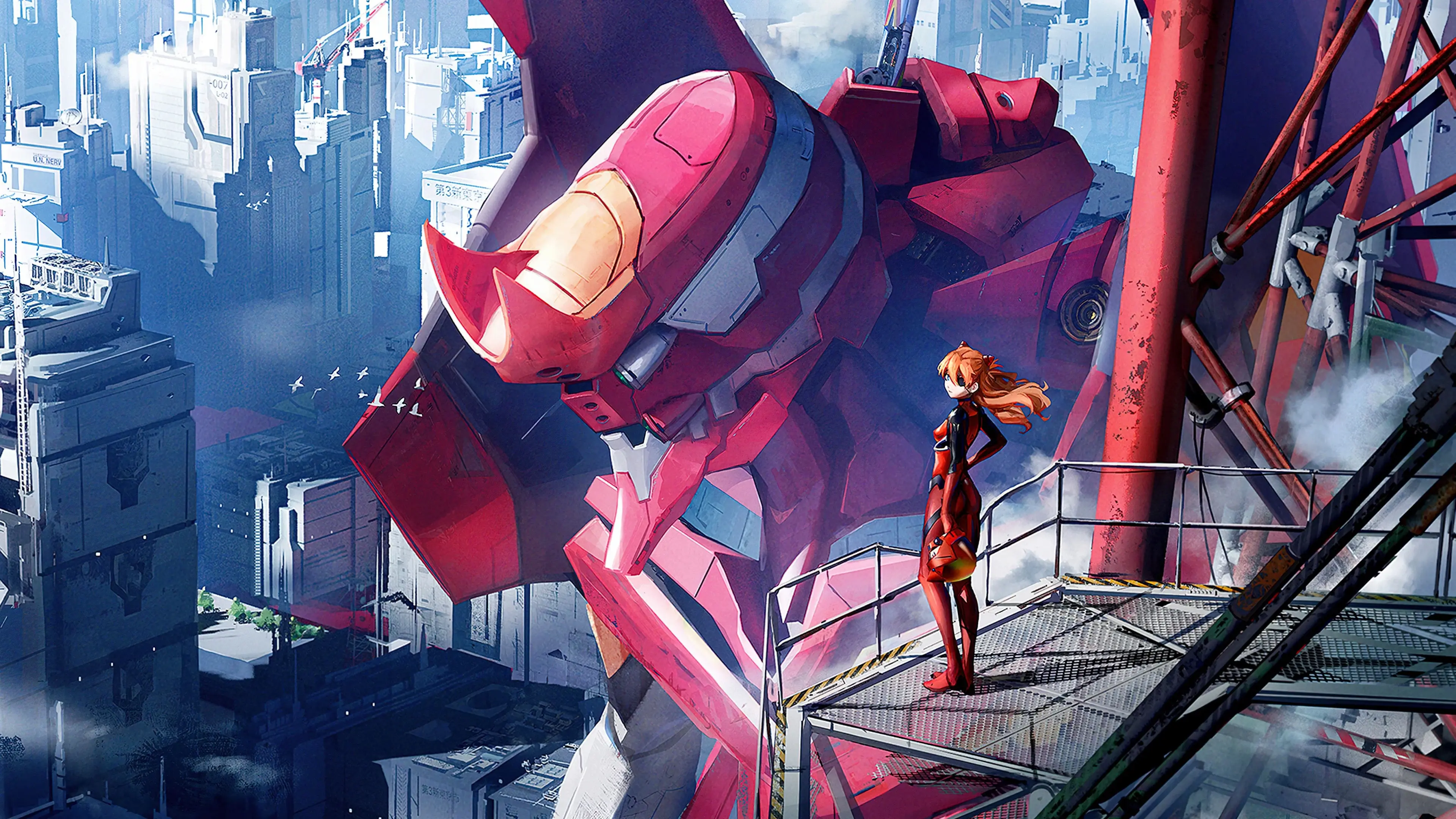
All Neon Genesis Evangelion Story Arcs in Order
| # | Arc |
|---|---|
| 1 | First Contact |
| 2 | The Children |
| 3 | Ramiel Assault |
| 4 | The Eighteenth Angel |
| 5 | Instrumentality |
A Child Is Called to Pilot the End of the World
Neon Genesis Evangelion begins with a question that its protagonist cannot answer and the series will spend 14 volumes not answering either: why would a boy who has been abandoned by his father agree to climb inside a giant machine and fight god-like beings to save a species that has never particularly tried to save him? Shinji Ikari gets in the robot. He keeps getting in the robot. And the act of trying to understand why — through layers of psychology, theology, family trauma, and existential philosophy — is what makes Evangelion one of the most analyzed and argued-about works in the history of anime and manga.
The manga adaptation, illustrated by Yoshiyuki Sadamoto with art direction developed alongside Hideaki Anno’s original 1995 anime, ran from 1994 to 2013 across 14 volumes. It is neither a straight adaptation nor an independent work — it shares DNA with the anime while making its own choices about pacing, characterization, and certain pivotal events. Sadamoto began the manga as a design document and promotional material before the anime aired; it outlasted the show by almost two decades and arrives at its conclusion from a position of greater distance and, arguably, greater control.
Premise and World
The near-future Tokyo-3 is a city built to be destroyed and rebuilt. Retractable buildings descend into underground shelters when the alert sounds; a fortified urban landscape has been engineered around the assumption of regular catastrophic attacks. The Second Impact — a cataclysm fifteen years prior that killed half the world’s population and tilted the Earth’s axis — is never fully explained, which is deliberate. NERV, the shadowy paramilitary organization that commands the Evangelion program, operates out of an underground structure beneath the city called the Geofront. Its commander is Gendo Ikari, who is also Shinji’s father, which tells you most of what you need to know about the power dynamic that will define the series.
The Angels — the beings that appear periodically to attack humanity — are enormous, geometrically strange, and genuinely alien. Each one has a different anatomy and requires a different approach to defeat. They are not explained. They are not comprehensible in human terms. They arrive and the Evangelions must go out to meet them, piloted by children selected for compatibility with the biomechanical units in ways that the series gradually reveals to be more intimate and more horrifying than any machine-operator relationship should be.
Main Characters
Shinji Ikari
Shinji Ikari is one of the most controversial protagonists in anime and manga history, which is itself a measure of how seriously the series takes its own psychological work. He is fourteen, has been functionally abandoned by his father since his mother’s death when he was a toddler, and has developed a coping style built almost entirely around self-erasure — not making demands, not expressing needs, not existing in ways that might invite rejection. He is not cowardly in the ordinary sense; he climbs into the Eva and fights despite being terrified. What he cannot do is ask for what he needs or believe he deserves to receive it.
The series is relentless about the damage this has done to him. It is also clear-eyed about how that damage was created — specifically, by his father, by NERV’s institutional demands, and by the adults around him who use his need for approval as a control mechanism. Shinji’s arc across the manga is not a story of a boy becoming a hero. It is a story of a boy trying to learn that his existence has value independent of his utility to others, and the manga’s ending — which differs meaningfully from the anime’s — takes that question somewhere the anime’s theatrical version could not quite reach.
Rei, Asuka, and the Other Pilots
Rei Ayanami presents herself as something less than a person: pale, quiet, apparently indifferent to her own survival, with loyalties that belong entirely to Gendo. The gradual revelation of what she actually is — and what that means for her claimed interiority and emotional development — is one of the series’ core mysteries, handled with considerable care in the manga. She and Shinji develop a connection that is tentative and strange and ultimately more meaningful than either of them can articulate.
Asuka Langley Soryu arrives as everything Shinji is not: accomplished, aggressive, loudly confident, decorated before she even sets foot in Tokyo-3. The manga is patient about revealing the architecture beneath that performance: a catastrophically traumatized child whose confidence is a load-bearing structure for a self that cannot afford to acknowledge weakness. Her relationship with Shinji is the most volatile in the series, and the manga handles her eventual breakdown with more care than the anime managed.
Misato Katsuragi functions as the closest thing Shinji has to a guardian — she takes him into her apartment, feeds him, drags him toward something like adolescent normalcy — while simultaneously being his operational commander and, herself, someone whose coping mechanisms are barely functional. The series does not excuse the contradiction. It depicts it.
Story and Themes
The battles against Angels occupy perhaps a third of the page count. The rest belongs to conversations in apartments, psychological breakdowns in cockpits, silent scenes of characters eating or sleeping or staring at ceilings. The ratio is intentional. Anno’s original anime was famously produced under conditions of severe creative and financial stress, and Sadamoto’s manga had the advantage of time and distance to render the psychological material more cleanly. What both works share is the conviction that the mecha battles are symptoms rather than events — expressions of psychological states rather than the thing the story is actually about.
The AT Field — the Absolute Terror Field that both the Evangelions and the Angels project — is the series’ central metaphor. Every conscious being has one. It is simultaneously the boundary of selfhood and the barrier to genuine connection. To truly reach another person, you have to lower your AT Field, which means accepting that they can hurt you. Shinji cannot do this. Most of the characters cannot do this. The series is an extended examination of why that is so difficult, and what it costs.
Parent-child trauma is the specific register in which most of this plays out. Gendo Ikari is present in almost every scene as an absence — a father who uses his son as an instrument, who cannot offer acknowledgment without attaching a condition to it. The series is not subtle about the damage this does. It also suggests, carefully, that Gendo is himself the product of damage, that the chain extends backward further than the story can see.
Why This Manga Matters
Evangelion arrived at a moment when mecha anime had calcified into a genre of escalating spectacle — bigger robots, bigger explosions, ever more powerful teenage heroes. Anno used the genre’s trappings to stage something entirely different: a psychological examination of depression, withdrawal, the terror of intimacy, and the impossible position of being a child asked to save the world. The manga, by arriving first and concluding last, bookends the entire Evangelion phenomenon from a position that the anime — interrupted by production collapse and revised repeatedly across theatrical versions — never quite achieved.
The influence on subsequent anime and manga is immeasurable. Characterization styles, visual grammar, the willingness to leave audiences uncomfortable and uncertain — all of these trace at least partial lineage to what Evangelion did with its source material. More importantly, it demonstrated that a mass-market entertainment product could be a serious work of psychological literature, and that there was an audience — a very large one — for fiction that would not let them look away from the thing it was actually about.
Publication History
Yoshiyuki Sadamoto’s manga adaptation was serialized in Young Ace magazine (and its predecessor Shonen Ace) from 1994 to 2013, spanning 14 volumes published by Kadokawa Shoten. The manga’s publication history mirrors the turbulent production of the Evangelion franchise: extended hiatuses coincided with the theatrical film releases and the later Rebuild of Evangelion film series. The manga’s final volume, published in 2013, concludes the story with an ending that differs from both the original television anime and the theatrical version The End of Evangelion.
Related Series
Readers who have been changed by Evangelion often find their next territory in Berserk (comparable psychological darkness and a protagonist defined by trauma), Nausicaä of the Valley of the Wind (another work in which a young person bears an impossible civilizational burden), Devilman Crybaby (Go Nagai’s earlier work that prefigures Evangelion’s apocalyptic register), and RahXephon (a mecha property that explicitly engages with Evangelion’s legacy).
Frequently Asked Questions
Is Neon Genesis Evangelion finished?
Yes, the manga is complete with 14 volumes published from 1994 to 2013. The manga’s ending differs from both the original 1995 anime series and the End of Evangelion film, providing its own definitive conclusion to Shinji’s story and the Angels’ conflict.
How many volumes does Neon Genesis Evangelion have?
The series contains exactly 14 volumes, all published by Kadokawa Shoten. The manga was serialized in Young Ace magazine over nineteen years, with extended hiatuses during film releases. All volumes are available in English translation and Spanish translations.
Is there an anime adaptation?
Yes, extensively. The iconic 1995 anime series by Gainax directed by Hideaki Anno has 26 episodes plus the film The End of Evangelion. Additionally, the Rebuild of Evangelion tetralogy (four theatrical films) provided updated versions. The manga offers yet another interpretation of the same core story, making it valuable for fans exploring different artistic takes.
What age rating is Neon Genesis Evangelion?
The series is rated 16+. It contains existential and psychological themes, depression, self-harm references, and disturbing imagery. The content is psychologically intense rather than gratuitously violent, but it deals with mature concepts unsuitable for younger audiences.
Where can I buy Neon Genesis Evangelion?
The complete 14-volume manga set is available through major retailers including Amazon (donidhernande-20 tag for English). Spanish editions are also available through Amazon.es (donidhernande-21 tag). Both paperback and digital editions are in stock. Many libraries carry the series for free borrowing.
Publication and Adaptations
Yoshiyuki Sadamoto, character designer for the original Gainax anime, began the Neon Genesis Evangelion manga adaptation in Kadokawa Shoten’s Shōnen Ace magazine in February 1995, several months before the anime’s October premiere. Despite launching first chronologically, the manga concluded twenty years later in June 2013 after 116 chapters compiled into 14 tankōbon volumes. Sadamoto worked at his own pace alongside other commitments, producing chapters irregularly while the multimedia franchise expanded around him. The completed manga sold over 17 million copies in Japan alone with international circulation pushing total sales above 25 million worldwide. Viz Media’s English edition is available in standard 14-volume format and a 7-volume 3-in-1 omnibus collection.
The franchise’s animation history is split between the original 1995-1996 television series (Gainax/Tatsunoko, 26 episodes) and the Rebuild of Evangelion film tetralogy (Studio Khara, 2007-2021). The original series concluded with two divisive final episodes that prompted the 1997 theatrical films Death & Rebirth and The End of Evangelion, the latter providing an alternative ending that became the canonical conclusion for many fans. The Rebuild films—Evangelion: 1.0 You Are (Not) Alone (2007), 2.0 You Can (Not) Advance (2009), 3.0 You Can (Not) Redo (2012), and 3.0+1.0 Thrice Upon a Time (2021)—represent Hideaki Anno’s complete reinterpretation of the source material, ending the saga definitively. The final Rebuild film grossed $63 million in Japan alone, becoming one of 2021’s highest-grossing domestic releases.
The franchise spawned numerous spin-off manga including Angelic Days (2003-2005, romantic comedy AU), Campus Apocalypse (2007-2009, supernatural school setting), Tony Takezaki’s Evangelion (2010-2013, comedy parody), Shinji Ikari Raising Project (2005-2016, dating sim adaptation), and Petit Eva: Evangelion@School (2007-2013, chibi children’s series). Video games span over 50 titles across consoles since 1996, with the Sega Saturn era producing several visual novels and the modern era featuring Bandai Namco’s Evangelion: 2nd Impression and various pachinko machines that generated substantial Bandai revenue. Netflix added the original series to its global catalog in 2019, sparking renewed international attention and selling out merchandise across western markets.
Cultural Impact and Legacy
Neon Genesis Evangelion fundamentally restructured anime’s commercial and artistic landscape after 1995. The series rescued Gainax from bankruptcy and demonstrated that mature, philosophically dense animation could achieve mainstream commercial success. The “Eva boom” of 1996-1998 transformed otaku from a stigmatized subculture into an acknowledged consumer market, with industry analysts crediting Eva’s merchandise success for legitimizing the modern anime industry’s business model. The series’ influence extends to mecha design (the Eva units’ organic skeleton-and-armor aesthetic became widely imitated), opening sequences (the iconic “Cruel Angel’s Thesis” remains a karaoke staple thirty years later), and narrative structure (the use of religious symbolism in subsequent anime like RahXephon, Bokurano, and Aldnoah Zero traces directly to Eva).
The Hakone region of Japan, which inspired the fictional Tokyo-3 setting, has incorporated Evangelion into its tourism marketing extensively. The Hakone Town Office distributes Eva-themed maps, the Owakudani volcanic area features Eva-themed merchandise, and the local railway has run Eva-branded trains. Hideaki Anno’s own production company Studio Khara, founded in 2006 to produce the Rebuild films, has expanded into broader anime production including Shin Godzilla (2016) and the Shin Tokusatsu film series. The 2021 conclusion of the Rebuild tetralogy generated massive press coverage including a feature exhibition at Tokyo’s National Art Center.
Frequently Asked Questions
Should I read the manga or watch the anime first? Most fans recommend the original 26-episode anime followed by The End of Evangelion film. The Sadamoto manga offers a parallel interpretation with notable character development differences, particularly for Kaworu Nagisa and the ending. The Rebuild films represent a separate reinterpretation.
Is the Sadamoto manga canonical? The manga is officially licensed and authored by the original character designer with Anno’s input, but it diverges significantly from both the original anime and the Rebuild films, particularly in its ending. It functions as an alternative canonical interpretation rather than a strict adaptation.
What order should I watch the anime and films? Original 26-episode series, then Death (true)² compilation, then The End of Evangelion (1997). Then optionally watch the Rebuild tetralogy as a separate continuity: 1.0, 2.0, 3.0, then 3.0+1.0 Thrice Upon a Time.
Why did Hideaki Anno create the Rebuild films? Anno has stated multiple motivations including dissatisfaction with constraints of 1990s television production, desire to revisit themes with mature perspective, and the practical fact that Evangelion remains Studio Khara’s primary revenue source. The Rebuild films also allowed him to provide thematic closure absent from the original.
Where can I stream Evangelion legally? Netflix carries the original 26 episodes plus Death (true)² and The End of Evangelion globally since 2019. The Rebuild tetralogy streams on Amazon Prime Video in most regions.
Neon Genesis Evangelion Arc Guides
First Contact
Shinji arrives in Tokyo-3 and pilots an Evangelion for the first time against an approaching Angel.
The Children
Rei and Asuka are revealed as fellow Evangelion pilots, establishing the pilot trio.
Ramiel Assault
A particularly devastating Angel attack forces the pilots to execute risky combined operation.
The Eighteenth Angel
Contact with the mysterious Kaworu forces Shinji to confront his capacity for emotional connection.
Instrumentality
The series climax explores the dissolution of AT Fields and merging of individual consciousness.
Neon Genesis Evangelion Merchandise
Read manga free with Amazon Prime
30-day free trial: free shipping, Prime Reading, Kindle, Prime Video and more.
Affiliate link. 30-day free trial for new members. Then $14.99/month — cancel anytime.
FAQ: Neon Genesis Evangelion
You May Also Like
All manga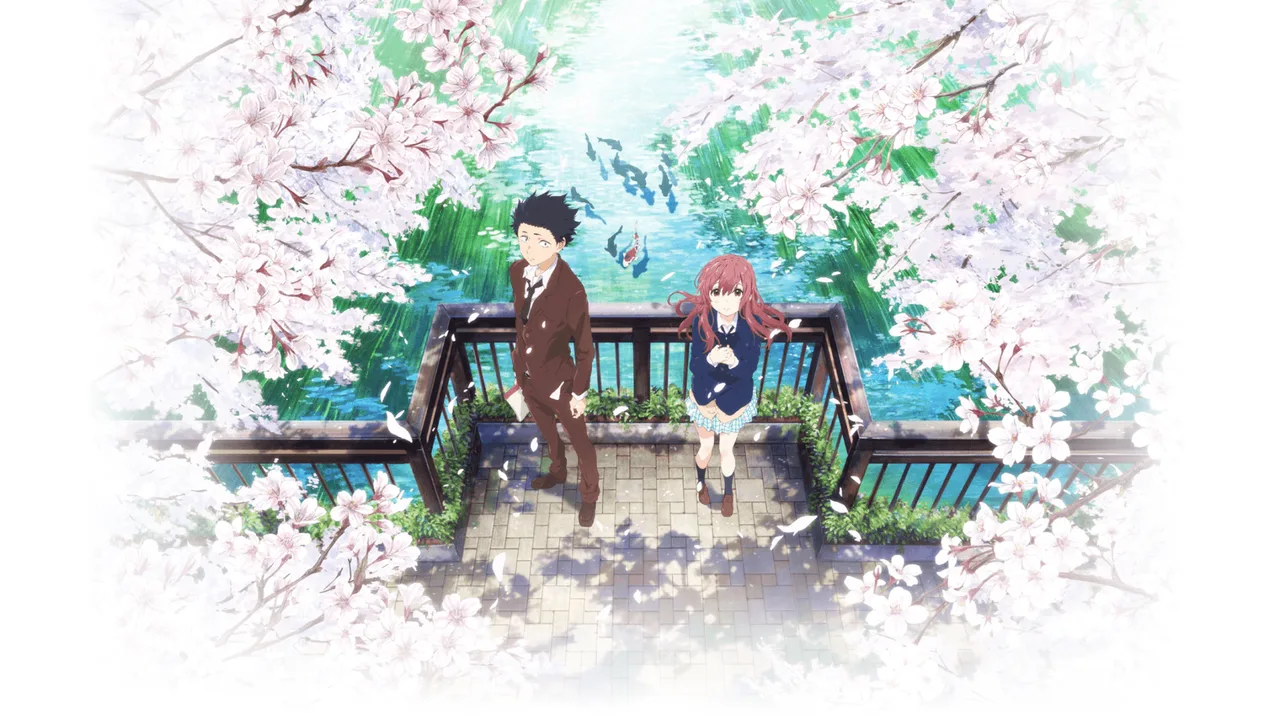
A Silent Voice
A poignant standalone drama by Yoshitoki Oima following Shoya Ishida, a former bully who seeks atonement by reconnecting with Shoko Nishimiya, the deaf classmate he tormented in elementary school. The series explores guilt, redemption, communication and the difficult path toward forgiveness.
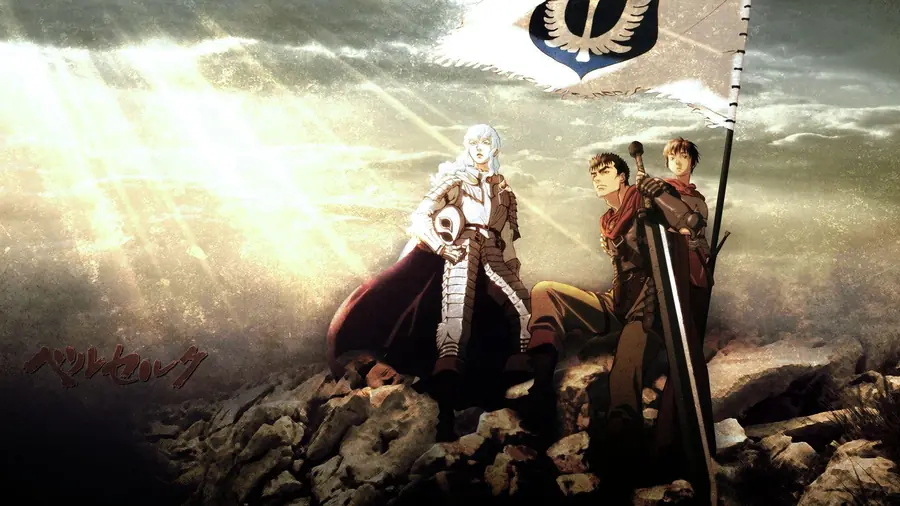
Berserk
A dark and brutal medieval fantasy following Guts on his journey of revenge, featuring complex characters and stunning artwork.
Black Clover
An ongoing shonen fantasy magic manga following Asta, a young man without magic power in a world where magic dominates, as he pursues his dream of becoming the Wizard King through determination and friendship
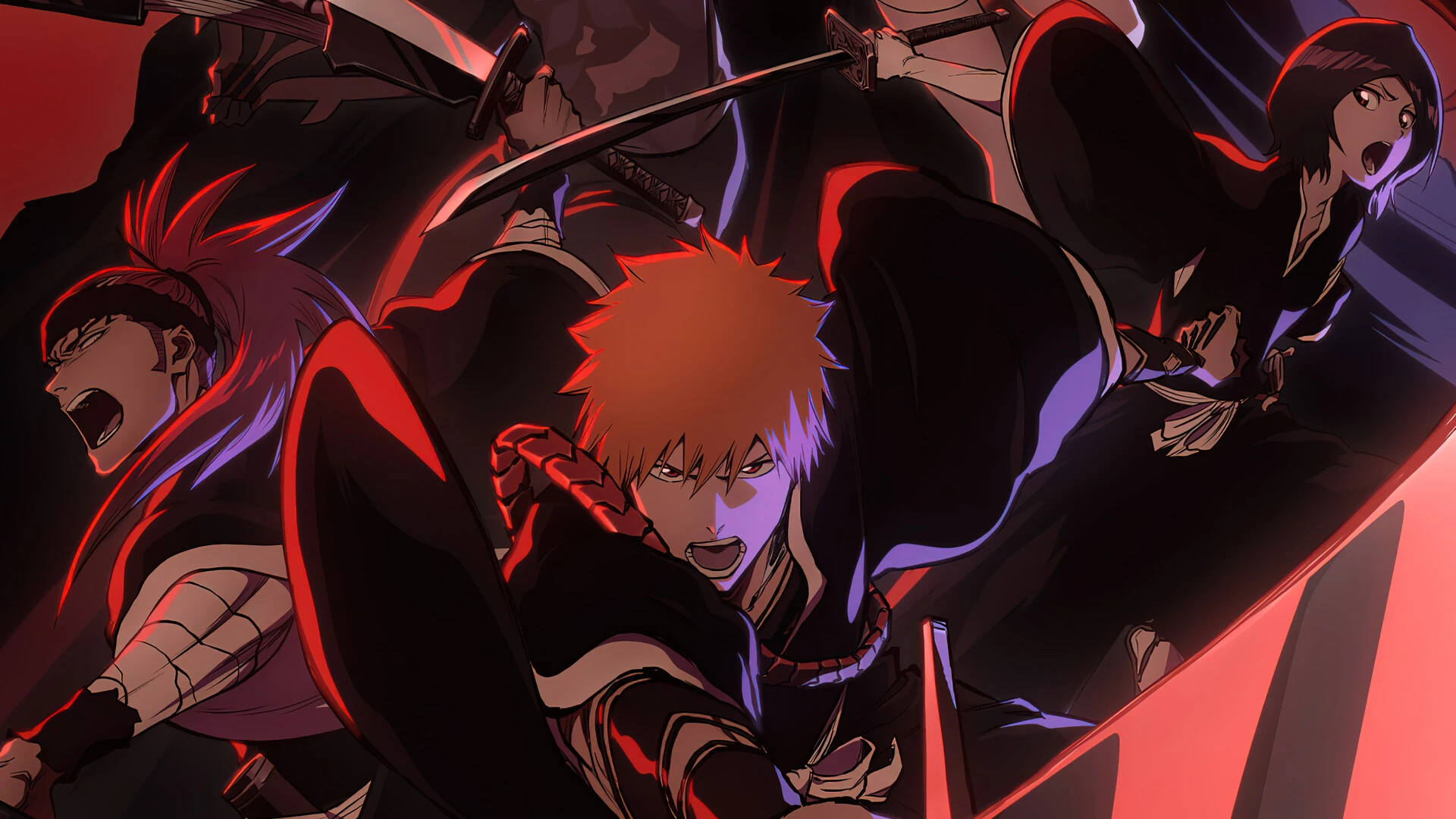
Bleach
The story of Ichigo Kurosaki, a teenager who gains the powers of a Soul Reaper — a death personification — and uses them to protect the living and the dead from evil spirits called Hollows, while uncovering a vast conspiracy that threatens both the human world and the afterlife.
Related Articles
All articles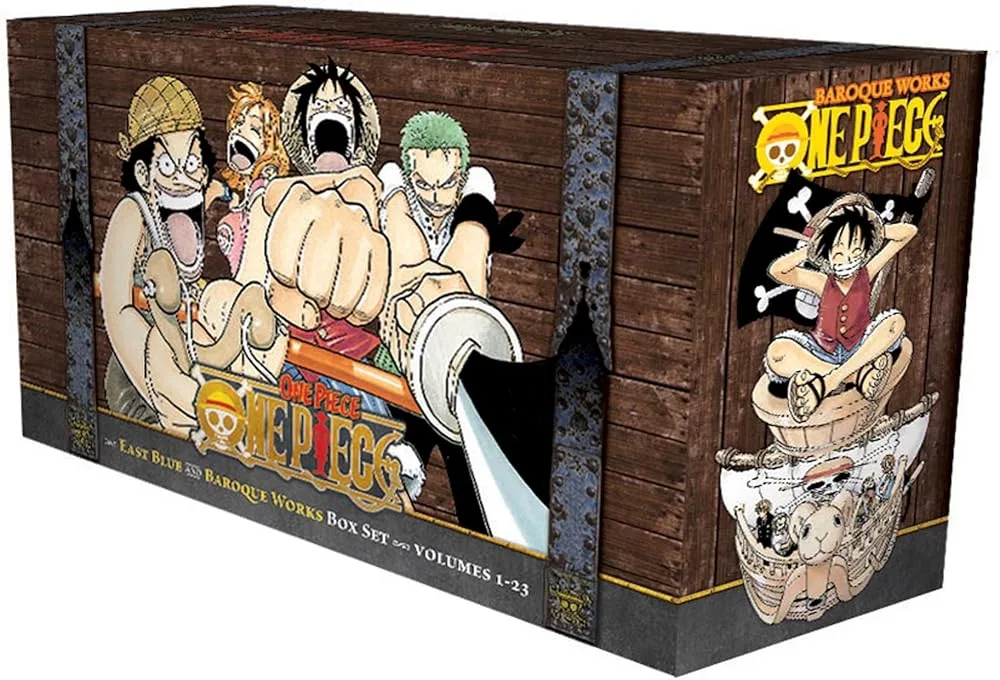
Top 16 Best Shonen Manga of All Time (2026)
The best shonen manga ever made, ranked. Legendary battle epics, underdog heroes, and the series that defined the genre — plus the box sets worth owning.

Best Manga by Genre: The Ultimate 2026 Reading Guide (Shonen, Shojo, Seinen, Josei)
Comprehensive manga genre guide featuring best series by demographic and genre. From action shonen to mature josei, find your next read organized by taste and preference.
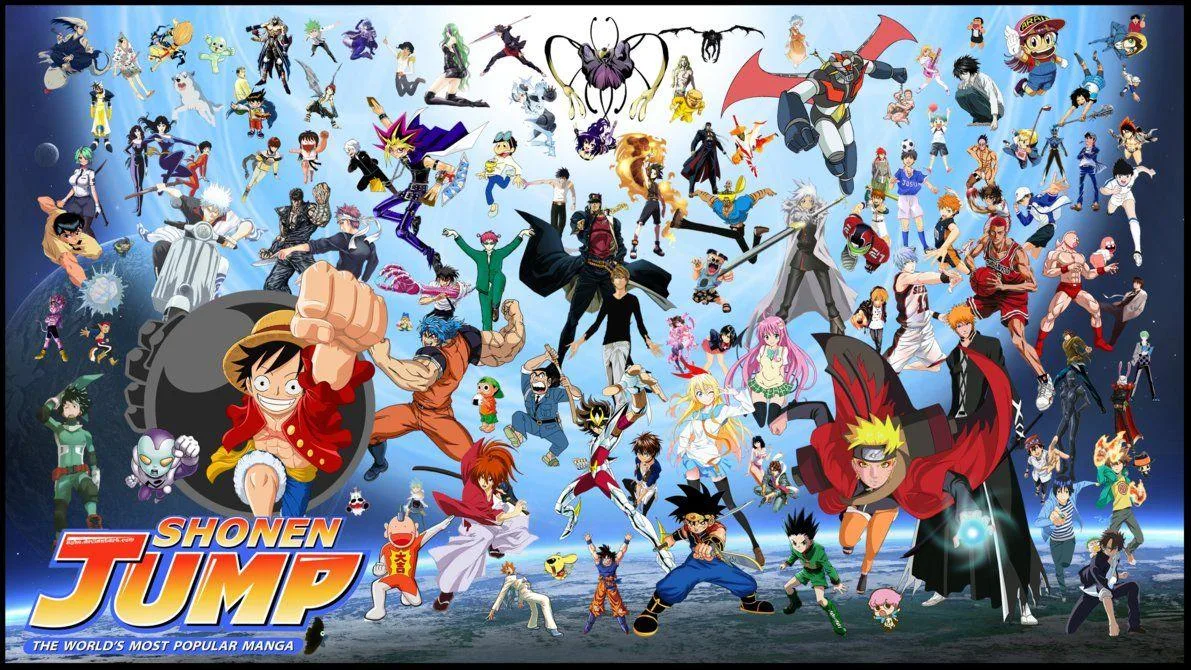
Weekly Shonen Jump Explained: How the World's Biggest Manga Magazine Works
Everything you need to know about Weekly Shonen Jump — history, ranking system, how manga gets serialized and canceled, famous series, and how to read it in English.