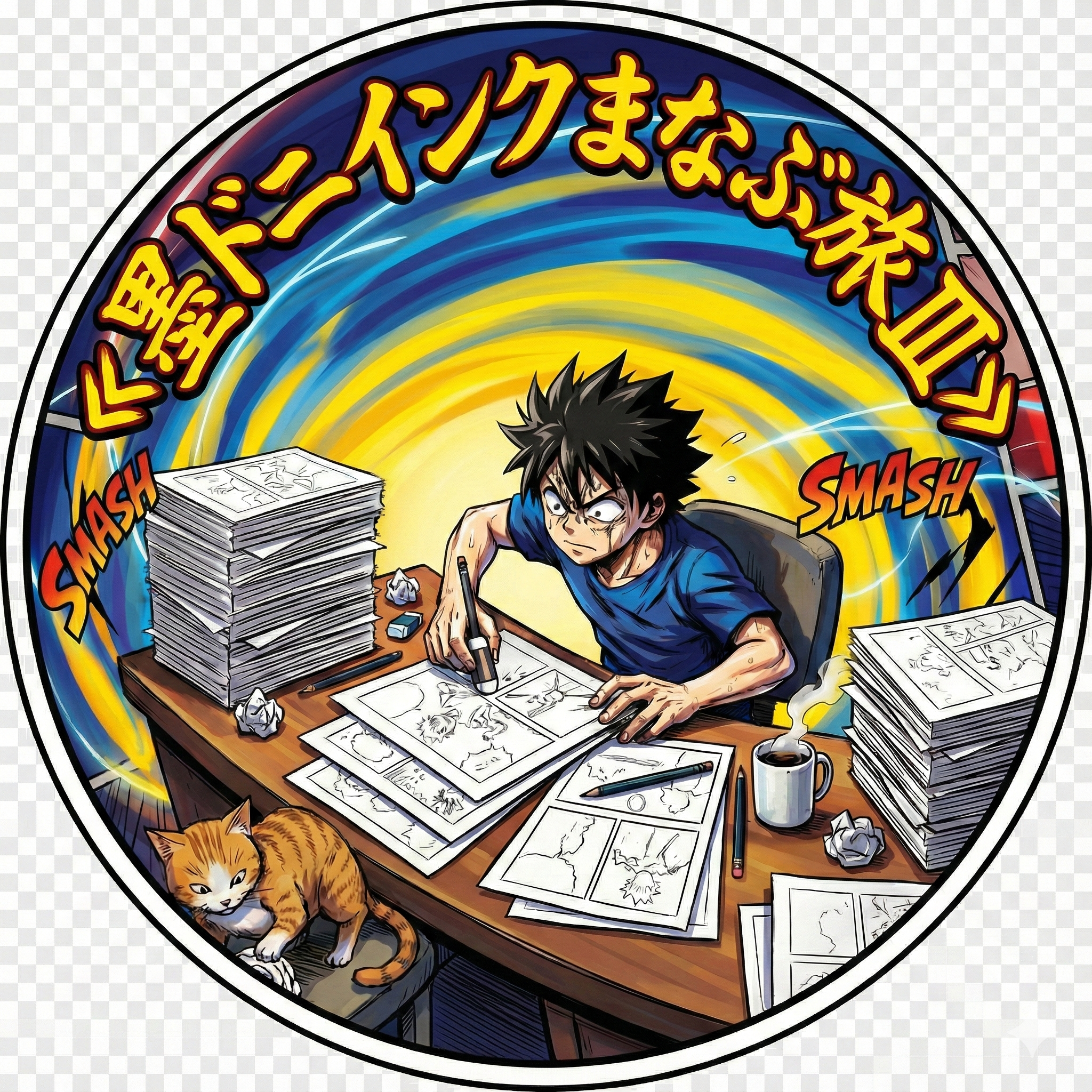
The Future of Mangaka: Trends and Predictions for the Next Generation
Explore the future of manga and mangaka careers. Discover emerging trends including digital manga, webtoons, new genres, and industry evolution.
Introduction
As a manga fan, you know how captivating and immersive the world of manga can be. But have you ever wondered what the future holds for the artists behind these captivating stories?
The next generation of mangaka is poised to take the world of manga by storm, with new technologies and trends shaping the industry in ways we’ve never seen before. This comprehensive guide delves into the predictions and trends that will define the future of mangaka, giving you a front-row seat to the exciting evolution of this beloved art form.
Be warned: the future of manga is not without challenges. Keep reading to discover what’s in store for the next generation of mangaka and what it takes to succeed in the rapidly evolving world of manga.
The Rise of Digital Manga
Digital Transformation
Digital manga is not only changing how we access and consume manga, but it’s also providing new opportunities for mangaka to reach audiences in ways previously impossible. With the ability to publish work online and reach millions of readers instantly, mangaka no longer have to rely solely on traditional publishers.
This new frontier has opened the manga industry to a new generation of artists, many of whom are self-taught and bring unique perspectives and styles to the table.
Opportunities and Challenges
Opportunities:
- Direct connection with global audiences
- Lower barriers to entry for publishing
- Instant feedback from readers
- Ability to build fanbase before traditional publication
- Creative freedom and independent publishing
Challenges:
- Piracy remains a significant problem
- Difficult to monetize digital content
- Oversaturation of content
- Lack of editorial guidance for independent creators
- Income uncertainty and sustainability
Monetization Strategies
Successful digital mangaka use:
- Subscription-based platforms
- Patreon and crowdfunding
- Advertising and sponsorships
- Merchandise sales
- Licensing and adaptation deals
- Hybrid approaches combining multiple revenue streams
The future of digital manga depends on developing sustainable business models that compensate artists fairly while providing readers affordable access.
The Growing Popularity of Webtoons
What are Webtoons?
Webtoons are digital comics optimized for vertical scrolling on smartphones and computers. They represent a fundamental shift in how manga is formatted and consumed.
Unique Advantages of Webtoons
Webtoons offer:
- Vertical scrolling format: Natural for mobile devices and continuous scrolling
- Animation and multimedia: Ability to incorporate sound, animation, and motion
- Immersive reading experience: Designed specifically for digital consumption
- Accessibility: Easy to read on any device, anywhere
- Global reach: Language-agnostic visual storytelling
Major Webtoon Platforms
Popular platforms include:
- LINE WEBTOON: Major Korean platform with global reach
- NAVER WEBTOON: Korean giant with massive international presence
- Tapas and Webtoons: English-language focused platforms
- Kakao Page: Growing Korean platform
These platforms offer tools and resources to help mangaka create and publish work, including tutorials, forums, and artist communities.
Challenges of Webtoons
Growing competition: Increased content makes standing out difficult Monetization challenges: Many platforms are still developing sustainable revenue models Quality variability: Lower barrier to entry means variable content quality Burnout potential: Regular update schedules can be demanding Discoverability: Even with algorithms, getting noticed among millions of series is challenging
Despite challenges, webtoons represent massive growth opportunities for the next generation of creators.
The Emergence of New Genres and Styles
Genre Innovation
The world of manga is constantly evolving. The next generation of mangaka are bringing new genres and styles that cater to changing reader interests.
Emerging Trends
Genre blending: Manga increasingly combines elements from multiple genres—Blue Lock combines sports with psychological thriller elements, while other series blend fantasy with romance, horror with comedy, etc.
Diverse representation: Stories featuring:
- LGBTQ+ narratives and characters
- Diverse racial and cultural backgrounds
- Different body types and abilities
- Complex gender identities
- Global perspectives and settings
Slice-of-life focus: Growing interest in everyday stories exploring:
- Relationships and personal connection
- Career and professional challenges
- Hobbies and passion projects
- Mental health and wellness
- Coming-of-age experiences
Science fiction and cyberpunk: Increased exploration of:
- AI and transhumanism
- Virtual reality and digital worlds
- Climate change and environmental themes
- Post-human societies
- Space exploration
Successful Next-Generation Creators
Mangaka succeeding with new genres include:
- Akiko Higashimura: Known for exploring new genres and delivering unique stories
- Koyoharu Gotouge: Brought fresh perspective to dark fantasy with Demon Slayer
- Gege Akutami: Blended multiple genres in Jujutsu Kaisen
These creators demonstrate that the future rewards innovation and fresh perspectives.
The Importance of Marketing and Promotion
Digital Age Marketing
In the past, mangaka could rely on word-of-mouth and traditional publishing channels. Today, self-promotion is essential.
Effective Marketing Strategies
Social media presence:
- Twitter: Engage with manga community and trending topics
- Instagram: Share artwork and behind-the-scenes content
- TikTok: Reach younger audiences with short-form content
- YouTube: Post tutorials, speedpaint videos, and commentary
Content marketing:
- Blog posts about creative process
- Making-of videos and tutorials
- Character backstory content
- World-building explanations
- Behind-the-scenes looks at studio work
Influencer partnerships:
- Collaborate with manga reviewers and commentators
- Send advance copies to content creators
- Participate in influencer collaborations
- Build relationships with manga communities
Community engagement:
- Respond to fan comments and questions
- Participate in fan discussions
- Host Q&A sessions and live streams
- Attend conventions and fan events
Strategic Marketing
Successful mangaka understand their:
- Target audience demographics
- Preferred platforms for reaching audiences
- Types of content that generate engagement
- Optimal posting schedules and frequency
- Analytics for measuring success
Marketing is no longer optional—it’s essential for success in the modern manga industry.
The Need for Collaboration and Networking
Collaboration Benefits
As competition increases, collaboration becomes increasingly valuable. Successful mangaka don’t work in isolation.
Types of Collaboration
Writer-artist partnerships:
- Atsushi Okubo (writer) and Koutarou Yamada (artist) created “Fire Force”
- Yoshiki Nakamura (writer) and Kamiko Sando (artist) created “Skip Beat!”
- Such partnerships leverage individual strengths
Studio collaborations:
- Multiple artists and writers sharing workspace
- Assistants helping with backgrounds and detail work
- Editorial feedback and support
- Shared resources and equipment
Platform and publisher partnerships:
- Exclusive agreements with major platforms
- Editorial support and marketing
- International distribution deals
- Adaptation opportunities
Community collaborations:
- Participating in anthology publications
- Cross-promoting with other creators
- Guest illustrations and appearances
- Mentoring newer artists
Networking Importance
Building strong relationships:
- Opens doors for future opportunities
- Provides emotional support during challenges
- Creates accountability and motivation
- Leads to creative collaborations
- Expands awareness of your work
The future of manga belongs to creators who build and nurture professional relationships.
The Future of Print Manga
Print’s Continued Relevance
Despite digital growth, print manga remains significant. Many readers still prefer physical books.
Why Print Persists
Physical appeal:
- Tangible experience of holding a book
- Admiring artwork at full size
- No screen fatigue or distractions
- Collectible appeal and shelf display
- Special editions and premium products
Reader preferences:
- Some readers prefer print to digital
- Older demographics favor physical books
- Manga collections hold value
- Physical ownership appeals to fans
- Better for environmental reasons (for some)
Print Industry Evolution
Print manga is adapting through:
- Higher quality paper and printing
- Special limited editions and variants
- Deluxe hardcover collections
- Artist collaborations and variants
- Integration with digital marketing
Hybrid Future
The industry’s future likely involves:
- Both print and digital options
- Digital as primary distribution
- Print for specialty and collector items
- Integration between formats
- Reader choice driving format preference
Print manga won’t disappear, but its role is evolving toward specialty and premium offerings.
Technology’s Impact on Mangaka
AI and Automation
Artificial intelligence is beginning to impact the industry:
- AI-assisted background generation
- Automated coloring and screentoning
- AI tools for composition and layout
- Potentially streamlining repetitive tasks
Concerns:
- Potential job displacement
- Copyright and ownership issues
- Quality and artistic integrity questions
- Ethical considerations
Opportunities:
- Freeing artists from repetitive work
- Allowing more time for creative decisions
- Enabling solo artists to handle larger projects
- Democratizing tools and resources
Virtual Reality and Immersive Media
Emerging technologies create new storytelling opportunities:
- Interactive manga experiences
- VR immersion in manga worlds
- Motion capture technology
- Spatial storytelling formats
Tools and Software Evolution
Increasingly powerful tools:
- Improved drawing software and tablets
- Cloud-based collaboration platforms
- AI-assisted color and tone application
- Real-time collaboration capabilities
- Faster rendering and processing
Global Market Expansion
International Growth
The manga industry is becoming increasingly global:
- International publishers acquiring manga rights
- Translations into dozens of languages
- Global streaming platforms featuring anime adaptations
- Webtoons from multiple countries competing globally
Emerging Markets
Growing reader bases in:
- Latin America and Brazil
- Southeast Asia
- India and South Asia
- Africa
- Middle East
Localization and Adaptation
Success in global markets requires:
- Quality translations preserving meaning and style
- Cultural adaptation without losing authenticity
- Understanding local preferences and taboos
- Building relationships with international publishers
- Considering global appeal in creative decisions
The mangaka of tomorrow will likely have international career opportunities their predecessors never had.
FAQ: The Future of Mangaka
Q: What is the definition of a mangaka? A: A mangaka is a Japanese term for a comic book artist or graphic novelist who creates manga.
Q: What are the biggest trends in manga right now? A: Digital distribution, webtoons, genre blending, diverse representation, and global expansion are major current trends.
Q: How can I succeed as a mangaka in the future? A: Develop strong skills, understand your audience, embrace digital platforms, build your brand, network actively, and stay adaptable as the industry evolves.
Q: Is print manga dying? A: Print manga remains important but is evolving. Both print and digital formats will likely coexist, with digital growing and print shifting toward specialty items.
Q: What skills will be important for future mangaka? A: Beyond drawing and storytelling, future mangaka need digital literacy, marketing skills, platform understanding, collaboration abilities, and business acumen.
Q: Should aspiring mangaka focus on traditional publishers or digital platforms? A: A hybrid approach works best—build audience on digital platforms, then leverage that for traditional publishing opportunities.
Q: How will AI impact mangaka careers? A: AI will likely automate some tasks but won’t replace creative storytelling. Mangaka who learn to use AI tools effectively will have advantages.
Conclusion
The future of mangaka is filled with exciting possibilities and new trends. From the rise of digital manga and webtoons, to the emergence of new genres and styles, and the impact of technology on the industry, there are many factors shaping the future of manga.
Mangaka who are able to stay on top of these trends and adapt to the changing landscape will be well-positioned for success in the coming years. The future belongs to artists who are:
- Technically skilled and artistically talented
- Digitally savvy and platform-aware
- Business-minded and marketing-conscious
- Adaptable and innovative
- Connected and collaborative
- Audience-focused and trend-aware
The manga industry has never been more dynamic or full of opportunity. For the next generation of mangaka, the future is incredibly bright.
Related Articles
Digital vs Traditional Manga: Which Approach Should You Choose?
Compare digital and traditional manga creation methods. Pros, cons, tools, workflows, and which professional mangaka use each approach.

Complete Guide to Buying Manga Online
Learn where to purchase manga online including retailers, digital platforms, used options, and international shipping.

Manga Industry Statistics and Market Data: The Complete 2025 Report
Comprehensive manga industry statistics for 2025. Market size, sales figures, digital growth, top publishers, and global expansion data.