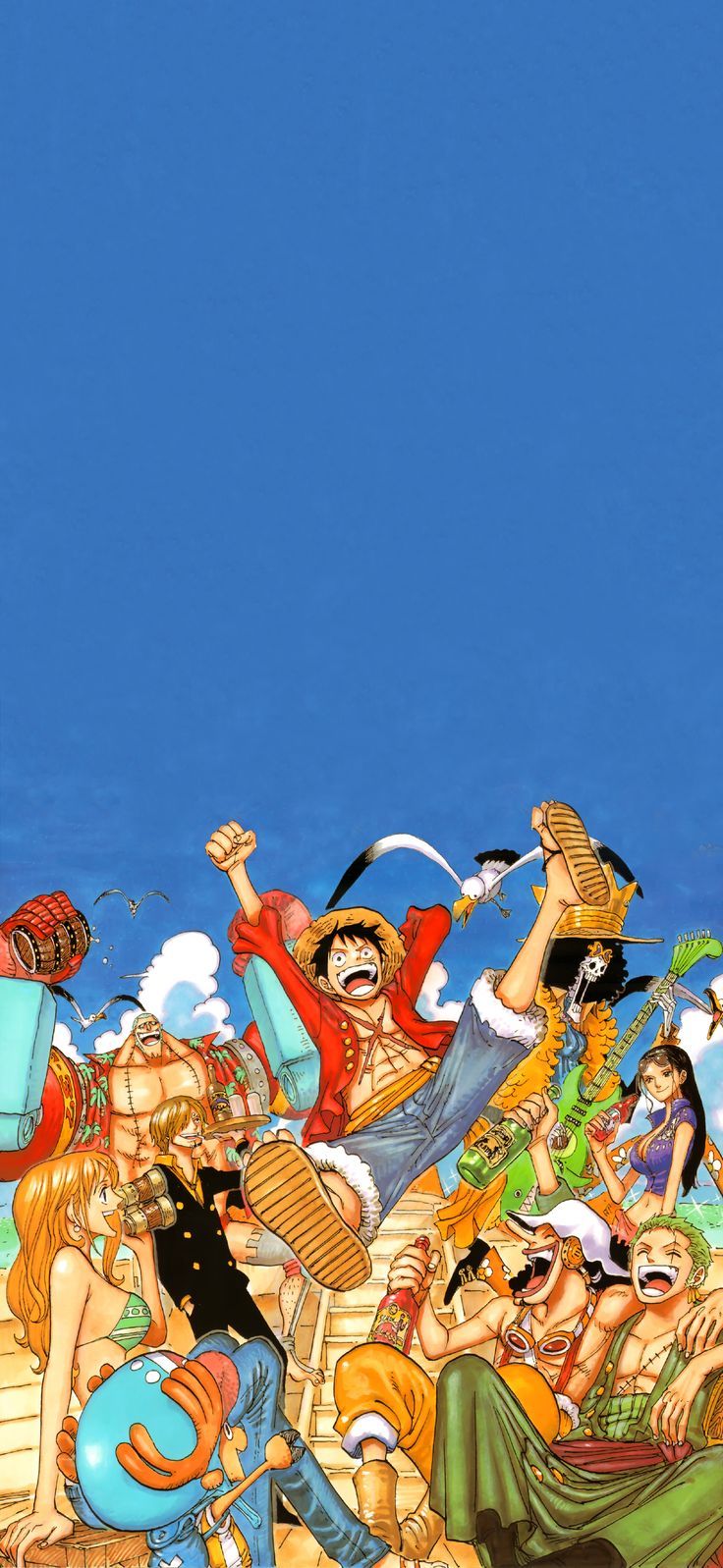
One Piece vs Naruto: Which Manga Should You Read First? (2026)
One Piece vs Naruto: the ultimate manga comparison for new readers. We break down story, characters, pacing, length, and which series to start with.
The Eternal Shonen Debate: One Piece vs Naruto
For over two decades, manga and anime communities have debated this fundamental question: should a new reader start with Eiichiro Oda’s sprawling treasure-hunting epic or Masashi Kishimoto’s intimate ninja coming-of-age story? The answer isn’t simple because both series represent different approaches to shonen storytelling, each brilliant in distinct ways.
One Piece and Naruto defined the 2000s shonen experience for millions worldwide. They launched simultaneously in 1997 and 1999 respectively, growing alongside their fanbase through adolescence into adulthood. Yet despite their parallel success, they couldn’t be more different in philosophy, pacing, and execution. This isn’t about which is “better”—both are legitimately phenomenal—but rather which matches your reading preferences and lifestyle.
Quick Comparison Table: One Piece vs Naruto at a Glance
| Category | One Piece | Naruto |
|---|---|---|
| Total Chapters | 1100+ (ongoing) | 700 + Shippuden 500+ (complete) |
| Total Years | 1997-present (29+ years) | 1999-2014 (15 years) |
| Status | Ongoing, ~80% complete (estimate) | Finished |
| Pacing | Slow burn into explosive growth | Fast intro, peaks mid-series |
| Anime Filler | ~2% | ~40% |
| Tone | Adventure-comedy-epic | Emotion-action-drama |
| Main Theme | Dreams and bonds | Friendship and growth |
| World Scale | Massive ocean, seemingly infinite islands | Established ninja villages, finite scope |
| Character Deaths | Rare but impactful | Multiple and emotionally devastating |
| Best Arc | Marineford/Wano | Shippuden (Akatsuki/War) |
| Commitment Level | Massive (1000+ chapter commitment) | Medium (1200 total with Shippuden) |
At a Glance: Each Series in 60 Seconds
One Piece: Monkey D. Luffy dreams of becoming Pirate King by finding the legendary One Piece treasure. He gathers diverse crewmates—each chasing personal dreams—and sails Earth’s endless ocean encountering governments, other pirates, and world-changing conspiracies. It’s adventure-first storytelling emphasizing exploration, friendship, and the freedom to pursue your dreams regardless of societal expectations.
Naruto: Naruto Uzumaki is a village outcast containing a powerful demon (Nine-Tailed Fox). Through determination and friendship, he transforms from laughingstock to hero, earning recognition while protecting his village and world. It’s character-first storytelling emphasizing emotional growth, redemption, and the strength found in genuine connections with others.
Story & World-Building: One Piece vs Naruto
One Piece’s Approach to Narrative
One Piece operates on exploration-based storytelling. Each arc introduces a new island with unique geography, culture, problems, and antagonists. The Straw Hat crew enters, becomes entangled in local conflicts, forms genuine bonds with natives, and leaves having changed both the island and themselves. This structure repeats across islands, yet each feels distinct.
The genius of this approach is how individual island arcs accumulate into bigger-picture narrative. Early chapters seem disconnected—just Luffy gathering crewmates and fighting various enemies. But by the Marineford War arc (chapters 550+), you realize Oda has been setting up world-altering events for hundreds of chapters. The “Grand Line” isn’t just a location; it’s a journey through gradually revealing truths about world government, ancient civilizations, and the true nature of the One Piece itself.
One Piece’s world-building is arguably manga’s most intricate. Oda presents mysteries (What is the One Piece? Why do certain symbols matter? What happened 800 years ago?) and answers them across decades, trusting readers’ patience.
Naruto’s Approach to Narrative
Naruto operates on character-progression storytelling. The narrative follows Naruto’s emotional journey with near-exclusive focus. Early arcs (Leaf Village genin days) establish character dynamics and introduce the Sharingan rivalry with Sasuke. Mid-series (Chunin Exams) escalates stakes through examination tournaments. Shippuden (the sequel series) reveals Naruto’s past, introduces world-threatening organizations, and resolves personal conflicts across the Five Great Nations.
Naruto’s strength is emotional resonance. You watch Naruto transform from class clown to hero you genuinely root for. His friendship with Sasuke, his rivalry, his struggle for recognition—these feel personal. Naruto’s relationships feel lived-in, complex, and ultimately deeply satisfying when resolved.
However, Naruto’s world-building takes backseat to character development. The ninja villages feel real, but the Five Nations concept is less explored than you might expect. Kishimoto’s focus on character arcs over world exploration means Naruto’s setting serves the story rather than driving it.
Winner: One Piece for world-building complexity; Naruto for emotional character depth.
Characters: Who Has the Better Cast?
One Piece’s Character Philosophy
One Piece’s greatest strength is character diversity through the Straw Hat crew. Luffy (protagonist), Zoro (swordsman), Nami (navigator), Usopp (sniper), Sanji (cook), Chopper (doctor), Robin (archaeologist), Franky (shipwright), and Brook (musician) each represent completely different archetypes with distinct combat styles, personalities, and dreams.
What makes this cast exceptional is how genuinely each member matters. Unlike typical shonen where side characters fade, One Piece ensures everyone gets meaningful character development. Robin’s tragic backstory as archaeology’s last survivor. Chopper’s struggle as a human-turned-reindeer. Sanji’s romantic yet protective nature. These aren’t afterthoughts—they’re integral to understanding the crew’s bonds.
Antagonists in One Piece similarly receive depth. Arlong enslaved Nami but represents broader oppression. Crocodile orchestrated conspiracies showing how corruption destroys nations. Katakuri from the Yonko crew displays immense power combined with genuine complexity.
Naruto’s Character Philosophy
Naruto’s cast centers on emotional character arcs with Naruto, Sasuke, and Sakura as the core. The series excels at making you care deeply about specific relationships. Naruto and Sasuke’s bond—friendship combined with rivalry combined with mutual obsession—is arguably manga’s greatest character dynamic.
Naruto develops secondary characters excellently too. Kakashi as mentor grows from mysterious instructor to fully realized person with traumatic past. Jiraiya as mentor combines humor with genuine warmth. The Akatsuki as antagonist organization features villains like Nagato/Pain, who presents philosophical challenge rather than simple evil.
However, Naruto’s supporting cast diminishes relative to spotlight on Naruto, Sasuke, and Sakura. Characters like Hinata, Lee, and others receive development but pale compared to the main trio. This isn’t necessarily bad—it creates focused narrative—but One Piece’s ensemble approach feels more balanced.
Winner: One Piece for depth and diversity; Naruto for specific character relationships.
Pacing: Which Is Easier to Read?
One Piece’s Pacing
One Piece starts slowly. Chapters 1-50 introduce Luffy gathering crew, establishing comedy, showing basic world. Readers unfamiliar with shonen manga sometimes abandon One Piece here, finding it “slow” or “childish.”
This assessment misses One Piece’s deliberate pacing. Oda uses early chapters to establish tone, character personalities, and emotional investment. When stakes arrive (chapter 100+), you genuinely care because relationships feel earned. The pacing isn’t slow; it’s patient.
Once One Piece reaches the Grand Line (chapter 100+), it accelerates dramatically. Major arcs intensify, deaths become real, emotional beats hit harder because you’ve known these characters for hundreds of chapters. By the Marineford arc (chapter 550+), you’re completely invested.
Pacing arc: Slow start → steady growth → explosive peaks → sustained high stakes.
Naruto’s Pacing
Naruto starts fast. Chapter 1 establishes Naruto as outcast with hidden demon, immediately creating sympathy and intrigue. The Leaf Village arc moves quickly, introducing characters, establishing dynamics, and showing combat immediately.
Naruto maintains this fast pace through the Chunin Exams arc—arguably the series’ best section. Tournament-style pacing ensures constant action and character matchups.
However, Naruto’s pacing falters in original-series middle chapters (fillers in anime disrupted this) and requires anime or manga reading to pace properly. Shippuden maintains intensity but occasionally drags with training arcs and side storylines.
Pacing arc: Fast start → peak at Chunin Exams → variable middle → strong Shippuden finish.
Winner: One Piece for satisfying long-form pacing; Naruto for immediately gripping first impression.
Tone & Themes: Adventure vs Coming of Age
One Piece: Freedom and Dreams
One Piece’s central theme is “freedom”—pursuing dreams regardless of world opposition. Luffy literally wants freedom to sail oceans. Zoro wants freedom to become world’s greatest swordsman. Nami wants freedom from slavery. Each Straw Hat crew member has been oppressed, enslaved, or limited by society; joining the crew means pursuing dreams society denies.
This theme manifests through adventure tone. Yes, serious moments exist—Arlong enslaved Nami, Crocodile orchestrated atrocities, Doflamingo trafficked people. But One Piece never loses its core joy. Characters laugh, joke, celebrate victories, find humor in adversity. The tone balances humor with genuine threat.
Naruto: Bonds and Recognition
Naruto’s central theme is “bonds”—human connection transcending loneliness. Naruto begins as outcast seeking recognition; growth comes from genuine friendships. Sasuke learns that personal revenge matters less than relationships. Kakashi discovers mentorship heals trauma.
Naruto’s tone is emotional and intimate. While adventure elements exist, the series prioritizes internal emotional growth. Naruto doesn’t smile during battles—he struggles, doubts, then perseveres through will and friendship. The tone is earnest, sincere, and deeply serious when mattering most.
Notably, Naruto becomes increasingly dark in Shippuden. The second series explores war, terrorism (Akatsuki), and moral complexity. It’s still Naruto, but the lightheartedness diminishes significantly.
Winner: One Piece for balanced adventure-comedy tone; Naruto for emotional depth.
Length & Commitment: The Numbers
One Piece’s Commitment
One Piece represents massive time investment. 1100+ chapters at 20 pages each equals ~22,000 pages. At 40 pages/hour reading speed, that’s 550+ hours to catch current.
However, One Piece doesn’t require sequential consumption. You can read one arc weekly, spread over years. The episodic island-to-island structure means taking breaks feels natural. Many fans read One Piece across decades without feeling pressured to “catch up.”
This ongoing nature is both advantage and disadvantage. You’ll never finish One Piece (until Oda completes it), but you also never reach the “post-series sadness” where it ends. The journey continues indefinitely.
Naruto’s Commitment
Naruto totals ~1200 chapters (700 original + 500+ Shippuden). At 40 pages/hour, that’s 600 hours to complete entirely.
However, Naruto concludes, which psychologically matters for many readers. You reach a defined ending, see character arcs resolve, experience narrative closure. Some readers love this finality; others prefer ongoing stories.
Naruto’s complete status also means avoiding spoilers from ongoing discussions becomes easier. You experience the story at your own pace without community speculation.
Winner: Naruto for definitive completion; One Piece for sustainable long-term engagement.
Manga vs Anime: Filler and Quality
One Piece Anime Quality
One Piece’s anime adaptation is genuinely excellent. The studio maintains consistency, character designs remain faithful, and animation quality improves dramatically with recent seasons.
Crucially, One Piece anime contains approximately 2% filler—roughly 15-20 episodes across 1000+ total episodes. This is extraordinarily low. You can watch anime-to-manga without second-guessing episode legitimacy.
Recommendation: One Piece anime is trustworthy. Watching or reading either provides quality experience.
Naruto Anime Quality
Naruto’s anime adaptation features notoriously high filler content—approximately 40% of episodes are anime-original, particularly in Naruto Shippuden.
Filler isn’t inherently bad (some filler arcs are genuinely excellent), but it creates viewer frustration when you watch 20-episode training montage only to discover it’s noncanonical. Manga provides the “pure” Naruto experience without filler padding.
Additionally, Naruto anime suffers from inconsistent animation quality, particularly in later seasons where budget constraints show.
Recommendation: Naruto manga is superior to anime. If watching anime, use filler-skip guides to preserve pacing.
Winner: One Piece anime for consistency; Naruto manga for purity.
Who Should Read One Piece First?
Read One Piece if you:
- Love exploration and adventure: You want to discover new islands, cultures, and mysteries continuously. One Piece delivers constant world expansion.
- Appreciate character ensemble casts: You prefer balanced development across many characters rather than spotlight on few protagonists.
- Enjoy long-term commitment: You don’t mind 1000+ chapter investment and appreciate stories that grow across decades.
- Want fun with depth: You seek balance between adventure-comedy tone and genuine emotional stakes.
- Value mystery and world-building: You enjoy gradually revealed world mysteries and complex narrative setup across hundreds of chapters.
- Prefer ongoing stories: You like communities discussing ongoing developments and theorizing about unrevealed plot points.
Who Should Read Naruto First?
Read Naruto if you:
- Want character-focused narrative: You prioritize emotional journeys over world exploration. Naruto’s core is watching Naruto and Sasuke transform.
- Appreciate concluded stories: You want narrative closure and completed character arcs rather than ongoing indefiniteness.
- Enjoy faster pacing: You prefer stories that grip you immediately rather than building gradually. Naruto hooks you chapter 1.
- Value intense relationships: You want deeply developed character bonds—specifically, you want to feel Naruto-Sasuke friendship/rivalry viscerally.
- Like emotionally mature stories: You want series addressing themes of loneliness, redemption, and connection meaningfully.
- Prefer manga to anime: You want manga readers’ experience without anime filler concerns (though manga has none anyway).
- Seek shorter commitment: You want 1200-chapter series you can complete in 2-3 months of dedicated reading.
Decision Framework: The Choice
One Piece If You Value:
- Endless adventure — New islands bring new mysteries
- Balanced cast development — Everyone matters equally
- Long-term engagement — You’ll read for years
- World-building — Complex mysteries revealed gradually
- Adventure-comedy tone — Humor paired with stakes
- Community discussion — Active ongoing theories
Naruto If You Value:
- Emotional character focus — Watch specific people grow
- Narrative completion — Reach definitive ending
- Fast pacing — Hooked immediately
- Intense relationships — Best friendship/rivalry in manga
- Emotional depth — Themes of loneliness and bonds
- Shorter commitment — Complete faster
Our Recommendation: You Should Read Both
Ultimately, we recommend reading both series, but in specific order:
-
Start with Naruto if you’re new to manga. Its faster pacing and immediate character hook make it ideal introduction to shonen. You’ll finish in 2-3 months, experience genuine narrative closure, and understand why millions loved it.
-
Progress to One Piece after Naruto concludes. Having completed one massive series builds reading stamina for One Piece’s scale. You’ll appreciate the contrast in storytelling approaches and recognize how both represent different (but equally valid) shonen philosophies.
-
Engage with the fandom discussing both. These series shaped modern manga; understanding both provides complete picture of 2000s shonen evolution.
If forced to choose only one: Naruto for completion satisfaction; One Piece for ongoing adventure.
Read Also
Explore more manga comparisons and recommendations on Mangaka.online:
- Complete One Piece Manga Guide — Full story summary, arc breakdown, and reading guide
- Complete Naruto Manga Guide — Story summary, Shippuden notes, and character guide
- One Piece Reading Order Guide — Navigate the 1100+ chapters efficiently
- Naruto vs Naruto Shippuden: Which Should You Watch? — Anime adaptation comparison
- Best Shonen Manga Series of All Time — Explore how One Piece and Naruto rank among other greats
Ver en Amazon →
Ver en Amazon →
Frequently Asked Questions: One Piece vs Naruto
Q: Which is longer, One Piece or Naruto?
A: One Piece is significantly longer. One Piece has 1100+ chapters and continues ongoing, while Naruto concluded with 700 chapters (plus Naruto Shippuden at 500+ chapters). One Piece remains unfinished but shows no signs of ending soon.
Q: Is Naruto finished and One Piece still ongoing?
A: Yes, exactly. Naruto (including Shippuden) concluded completely with Naruto Uzumaki becoming Hokage and establishing peace. One Piece continues its journey with Luffy pursuing the One Piece treasure, and Eiichiro Oda estimates we’re at roughly 80% of the story.
Q: Which has better filler, One Piece or Naruto?
A: One Piece anime has significantly less filler—approximately 2% of episodes are anime-original. Naruto Shippuden infamously has around 40% filler episodes. If watching anime, One Piece is the clear winner. The manga versions of both have zero filler.
Q: Can I start One Piece or Naruto at any point?
A: Both series benefit from reading/watching from the beginning. However, One Piece maintains consistency better—you can pick it up at various story arcs. Naruto becomes complex in Shippuden with past events critical to understanding. Start both from chapter/episode 1 for optimal experience.
Q: Which series has better character development?
A: Both excel at character development but differently. Naruto focuses on emotional growth and redemption (Naruto’s journey for recognition, Sasuke’s revenge). One Piece emphasizes backstories and personal dreams (each Straw Hat has meaningful past). Naruto hits harder emotionally, One Piece builds deeper bonds.
Related Articles
Best Naruto Arcs Ranked (2026): From Chunin Exams to Pain
Complete ranking of the best Naruto arcs from Chunin Exams to the Pain arc. Discover which Naruto Shippuden arcs defined the series and why they matter.
Jujutsu Kaisen vs Demon Slayer: Which Manga Wins? (2026)
Jujutsu Kaisen vs Demon Slayer: Detailed comparison of story, characters, art style, themes, and anime adaptations. Which dark shonen should you read?

Shonen vs Seinen Manga: What's the Difference and Which Should You Read?
Understand the key differences between Shonen and Seinen manga. Compare themes, art styles, storytelling approaches with examples of each.