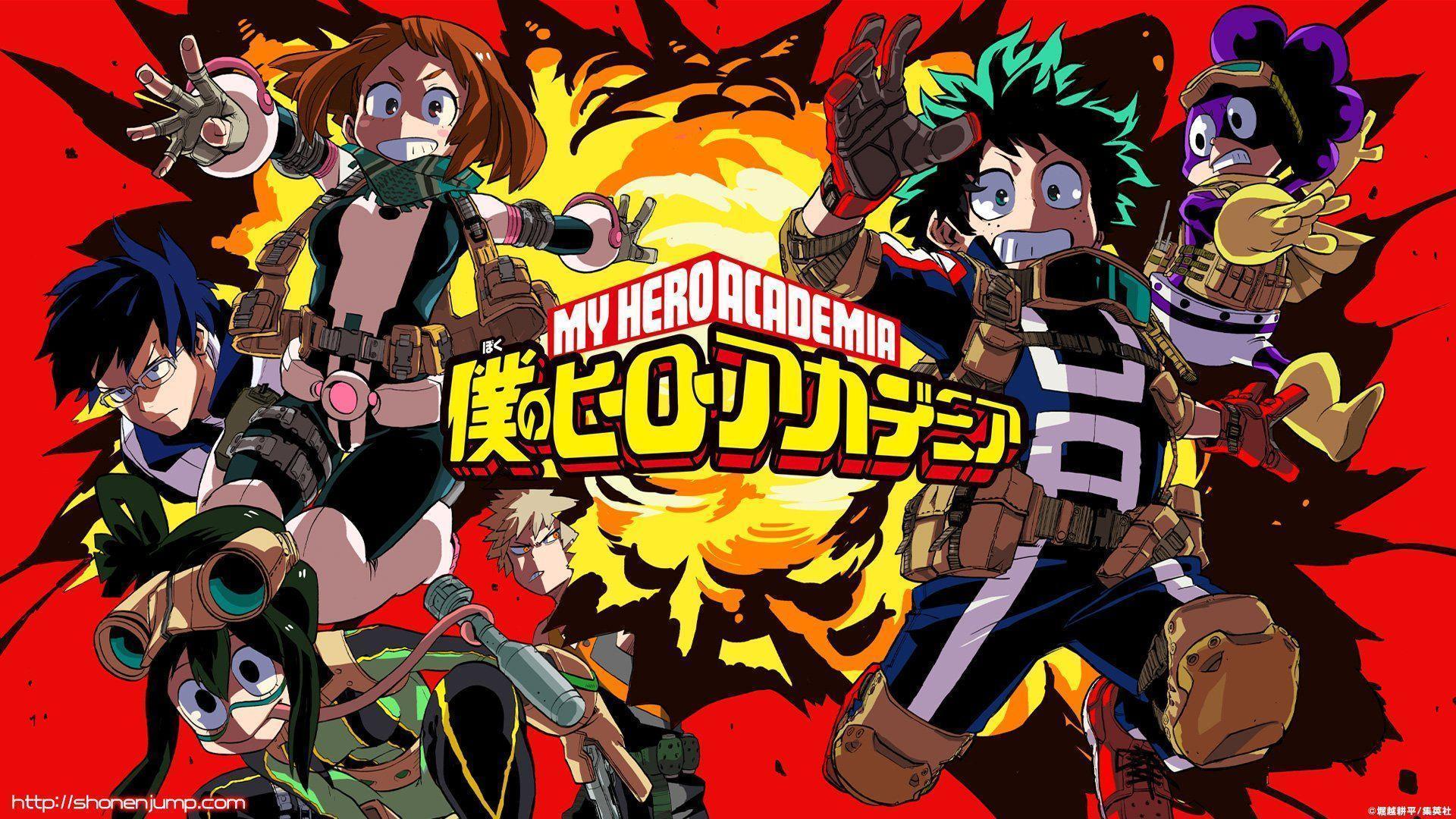
My Hero Academia Manga Ending Explained (2026): Final Arc
Complete breakdown of My Hero Academia's manga ending. Final war arc, Deku vs Shigaraki, epilogue explained — everything you need to know.
My Hero Academia Manga Ending Explained: The Complete Final Arc Breakdown
My Hero Academia delivered one of the most anticipated conclusions in modern shonen manga. After over a decade of following Izuku Midoriya’s journey from quirkless underdog to powerful hero, Kohei Horikoshi’s masterpiece finally reached its climactic end. The final arc compressed everything fans had been waiting for into an explosive series of battles, emotional confrontations, and a surprisingly introspective epilogue that challenged traditional hero narrative tropes.
The ending of My Hero Academia wasn’t just about winning a final battle—it was about redefining what it means to be a hero when everything is taken away. This complete guide breaks down every major plot point, explains the fates of beloved characters, and analyzes why this conclusion remains one of the most debated endings in anime and manga fandom.
Whether you’ve been following the series since chapter one or just caught up with the anime, understanding the manga ending is essential to fully appreciating Horikoshi’s vision for Deku and the world he inhabits.
⚡ TL;DR — My Hero Academia concludes with Deku and his allies defeating Shigaraki/All For One in an apocalyptic final war. Deku loses his quirks but becomes a mentor figure, defining heroism through effort rather than power. The epilogue jumps forward, showing Deku teaching the next generation and Bakugo protecting his legacy, bringing thematic closure to their rivalry and growth.
Quick Reference Table
| Element | Details |
|---|---|
| Final Villain | Shigaraki Tomura (merged with All For One) |
| Final Battle Location | Abandoned Kamino ruins and surrounding area |
| Deku’s Fate | Loses all quirks, becomes mentor and analyst |
| Bakugo’s Fate | Becomes new Symbol of Peace figure |
| All Might’s Fate | Sacrifices remaining power, dies heroically |
| Total Chapters | 431 chapters + epilogue |
| Final Arc Length | ~100 chapters (331-431) |
| Epilogue Time Jump | Several years into the future |
| Key Themes | Heroism without power, legacy, growth through struggle |
The Final War Arc: Setting the Stage
The final arc of My Hero Academia doesn’t begin with a bang—it begins with desperation. After Shigaraki awakens as the perfect vessel for All For One’s consciousness, society itself collapses. Heroes are demoralized, the public loses faith in the system, and All Might’s retirement has left a power vacuum that seems impossible to fill.
What makes this arc unique is its focus on collective action rather than individual heroism. Deku doesn’t fight Shigaraki alone—he’s supported by Class 1-A, other hero students, pro heroes, and even reformed villains. This approach fundamentally differs from traditional shonen climaxes where the protagonist must overcome impossible odds through sheer determination and secret power-ups.
The pacing of the final arc is notably slower than earlier story arcs. Instead of rapid dungeon-crawling encounters, readers witness the psychological toll of endless warfare. Food shortages, exhaustion, and moral compromise all play roles in how heroes must adapt. This grounded approach elevated the stakes beyond simple combat superiority.
Deku’s Complete Journey to Defeat: The Quirkless Beginning Comes Full Circle
Deku’s arc throughout the final battle is paradoxical—he becomes stronger while simultaneously losing everything that made him strong. Early in the final arc, Deku activates all of One For All’s previous users’ quirks at full power, becoming a walking superweapon. This moment should feel like peak power fantasy, yet Horikoshi uses it to show the opposite: true strength comes from connection and sacrifice, not raw power.
The decisive moment comes when Deku realizes he cannot defeat Shigaraki alone, no matter how many quirks he wields. Instead, he fights to give his classmates and allies the opening they need. He pushes all his borrowed power to their limits, completely shattering his body and exhausting every ounce of his reserves.
What follows is revolutionary for shonen storytelling: Deku loses his quirks. Permanently. Not temporarily, not through villain manipulation—his own sacrifice burns them away. In a narrative landscape dominated by power scaling and escalating abilities, watching the protagonist surrender all his strength is genuinely shocking.
The brilliance of this choice becomes apparent in the epilogue. Without quirks, Deku must find new meaning in heroism. He becomes an analyst, a mentor, and an inspiration through his knowledge and character rather than his combat ability. This recontextualizes his entire character arc—from quirkless kid who wanted to be a hero, to powered-up fighter, back to someone defining heroism through means other than superpowers.
Shigaraki’s True Nature and the AFO Merger Explained
Understanding Shigaraki’s ending requires understanding what he actually was. For most of the series, Shigaraki Tomura appeared to be a high school villain with a destructive quirk and emotional trauma. The final arc reveals something far more complex: Shigaraki was being groomed as a vessel for All For One’s consciousness.
All For One, the original immortal villain, had extended his life far beyond natural limits through body manipulation and stolen quirks. Rather than simply pass on his power, AFO chose to completely resurrect himself within Shigaraki, merging their consciousness and power. This transformation happens in the final arc’s midpoint, creating a being with centuries of villainy experience and unprecedented power.
The final battle against merged Shigaraki/AFO is less about defeating a villain and more about saving Shigaraki’s original consciousness. Throughout the fight, Deku and his allies constantly speak to Tomura, reminding him of his humanity, his memories as a regular student, his desires beyond destruction. This psychological element mirrors the series’ emphasis on hero society’s systemic failures—Shigaraki was created by that system, and only recognizing his humanity can stop him.
In the end, Shigaraki’s original consciousness reasserts itself at the crucial moment. The human Tomura, buried beneath decades of All For One’s influence, chooses to let go and stop fighting. It’s a tragic redemption—Tomura never becomes “good,” but he stops being evil, which is presented as good enough given his circumstances. He essentially sacrifices himself to stop AFO, dying not as a villain but as a victim who finally regains agency.
Major Deaths in the Final Arc and Their Significance
The final arc doesn’t shy away from killing important characters. These deaths shape the ending’s emotional weight:
All Might’s Sacrifice: All Might doesn’t simply fade away—he has one final moment of glory. With nearly all his power already spent, All Might channels his remaining strength to protect Deku at a critical moment. He dies standing, one last time fulfilling his role as the Symbol of Peace. His death elevates the youngest generation of heroes, making clear they must carry the torch forward.
Several Pro Heroes: Various established pro heroes fall protecting students or civilians. These deaths aren’t trivialized with elaborate send-offs—some happen off-screen, showing warfare’s brutal reality where not every death gets narrative focus.
Multiple Class 1-A Students Fall: Though the main cast largely survives, several supporting characters die protecting their classmates or civilians. These deaths make the victory feel earned rather than given, showing that heroism still costs lives.
Hawks/Takami Keigo’s Transformation: While Hawks doesn’t die, he’s fundamentally changed by the arc. His role as a hero is questioned, and he must rebuild his identity outside government control, exploring themes of agency and autonomy.
The death toll of the final arc exceeds any previous story arc, but these deaths serve thematic purposes rather than existing for shock value. They establish that this victory wasn’t clean, cost was real, and not everyone who fights makes it to the epilogue.
The Epilogue: How Society Rebuilds
The epilogue jumps forward several years, showing a drastically altered world. Hero society, fundamentally broken by the revelation that governments and the Hero Commission enabled villains, must rebuild from scratch. This isn’t a happy ending where everything returns to normal—it’s a realistic examination of post-conflict reconstruction.
In the epilogue, Deku is approximately college-aged or slightly older. Without his quirks, he works as an analyst, teacher, and mentor to younger heroes. His character arc has come full circle: the quirkless boy who idolized All Might has become someone who inspires others through pure character and knowledge rather than superhuman ability.
Bakugo, Deku’s rival throughout the series, becomes something unexpected—a guardian of Deku’s legacy. Bakugo evolved from bully to Deku’s greatest ally, and the epilogue shows him protecting Deku’s reputation and continuing their shared legacy. Their dynamic, which drove much of the series’ character development, reaches satisfying closure without needing to be explicitly explained.
The epilogue also hints at emerging threats and new challenges. Unlike traditional shonen endings that completely resolve all conflict, My Hero Academia’s ending acknowledges that hero society will always face challenges. The next generation of students represents hope for better systems, but perfection isn’t achieved. This ambiguous-yet-hopeful tone distinguishes the ending from simpler narratives.
Bakugo and Class 1-A’s Futures
Bakugo’s role in the final arc and epilogue surprised many fans. Rather than overshadowing Deku in the final battle, Bakugo supports his childhood rival. His character arc about overcoming arrogance and learning to work with others reaches completion as he becomes a stabilizing force in the new hero society.
In the epilogue, Bakugo is shown training alongside Deku, though their dynamic has shifted. They’re no longer rivals in the traditional sense—they’ve become partners with mutual respect. This evolution reflects the series’ broader theme about how true strength comes from connection rather than individual supremacy.
Most of Class 1-A survives to the epilogue. Positions vary—some become top heroes, others pursue different careers, and some struggle with trauma from the war. This diversity of outcomes feels realistic; not everyone becomes a successful hero, and the series doesn’t pretend otherwise. Some characters face lasting physical and psychological scars, making their choices in the epilogue meaningful.
Todoroki and Iida, two of Deku’s closest friends, both appear in the epilogue. Todoroki works toward reforming his family’s legacy, while Iida continues hero work, suggesting different paths for characters who faced different internal conflicts throughout the series.
Was the My Hero Academia Ending Satisfying? Fan Reception and Criticism
The ending of My Hero Academia sparked massive debate in the fanbase. Some view it as a bold, thematically coherent conclusion that subverts shonen expectations. Others felt rushed, especially compared to the methodical pacing of earlier arcs.
Positive Reception Arguments:
- The epilogue’s thematic focus on heroism without powers offers fresh perspective
- Character arcs for Deku and Bakugo conclude meaningfully
- Shigaraki’s redemptive tragic ending deconstructs “evil villain” tropes
- The cost of victory feels real, with significant character deaths
- The ending sets up hope for better systems rather than pretending the world is fixed
Criticism Points:
- The final arc’s pacing felt rushed in certain sections
- Some character fates received minimal closure
- The epilogue compressed years of story into relatively few chapters
- Certain relationships and plot threads felt underdeveloped
- The manga’s ending differs from the anime adaptation’s approach
The most common middle-ground opinion is that the ending was thematically strong but could have benefited from slightly more pacing and detail. Many fans acknowledge rereadings improve their appreciation as they catch foreshadowing and thematic callbacks missed on first reading.
How to Read the Complete My Hero Academia Series
For new readers wanting to experience the complete story, the manga spans 431 chapters across 32+ volumes. Reading order is straightforward—start with Volume 1 and progress sequentially. There are no alternate timelines or confusing continuity issues; it’s a linear narrative.
The anime adaptation currently covers most of the series but hasn’t adapted the complete ending as of 2026. For the most current and complete experience, reading the manga is necessary. The final arc (starting around chapter 331) is particularly important to read in manga form, as the pacing translates better to the comic medium than animation.
Volume Recommendations for Milestone Reading:
- Volumes 1-5: Origin story and first arc
- Volumes 6-15: School life and early arc progression
- Volumes 16-25: Increasingly complex world-building and villain development
- Volumes 26-32: Final arc and epilogue
The series is complete with no ongoing sequel manga, making now an ideal time to experience the full story without waiting for new chapters.
Frequently Asked Questions
1. How does My Hero Academia end?
My Hero Academia concludes with Deku defeating Shigaraki and AFO in an epic final battle. The epilogue shows the next generation of heroes and Deku’s role as a quirkless mentor, bringing full circle his journey from powerless kid to true hero. He loses his quirks but finds new meaning in supporting others.
2. Does Deku defeat Shigaraki?
Yes, Deku defeats Shigaraki in the final arc. However, the victory comes at great cost—Deku loses his quirks and must find purpose without them, which becomes central to his character arc’s resolution. The victory also involves recognizing Shigaraki’s humanity and allowing his original consciousness to resurface.
3. What happens to All Might in the ending?
All Might has a poignant death scene in the final arc after using his remaining power to help Deku. His death serves as the emotional climax and motivates the younger generation to protect society as heroes. He dies standing as the true Symbol of Peace one final time.
4. Is the MHA ending good or disappointing?
Opinions are mixed among fans. Many praised the emotional depth and thematic conclusion about what it means to be a hero without powers. Others felt certain plot threads deserved more closure, but most agree the epilogue redeemed the arc’s pacing and provided meaningful character resolution.
5. How many chapters is My Hero Academia?
My Hero Academia has 431 chapters total in the manga. The final war arc spans approximately the last 100 chapters, with the epilogue providing closure to character arcs and hinting at the future of hero society. The complete series spans 32+ volumes.
Ready to Experience the Complete Saga?
My Hero Academia stands as one of the most influential shonen manga of the 2010s-2020s. The journey from Deku’s powerless dream to his transformation into a mentor defines a new type of heroism. Whether you’ve been following since chapter one or are just starting, the complete story offers rich character development, creative combat, and a satisfying conclusion that respects its characters.
Get My Hero Academia Vol. 1 on Amazon and start the adventure that leads to this unforgettable ending.
For more manga recommendations and series analysis, explore our complete guide to /manga-series/my-hero-academia/ or check out related shonen manga endings on Mangaka.online.
Related Articles
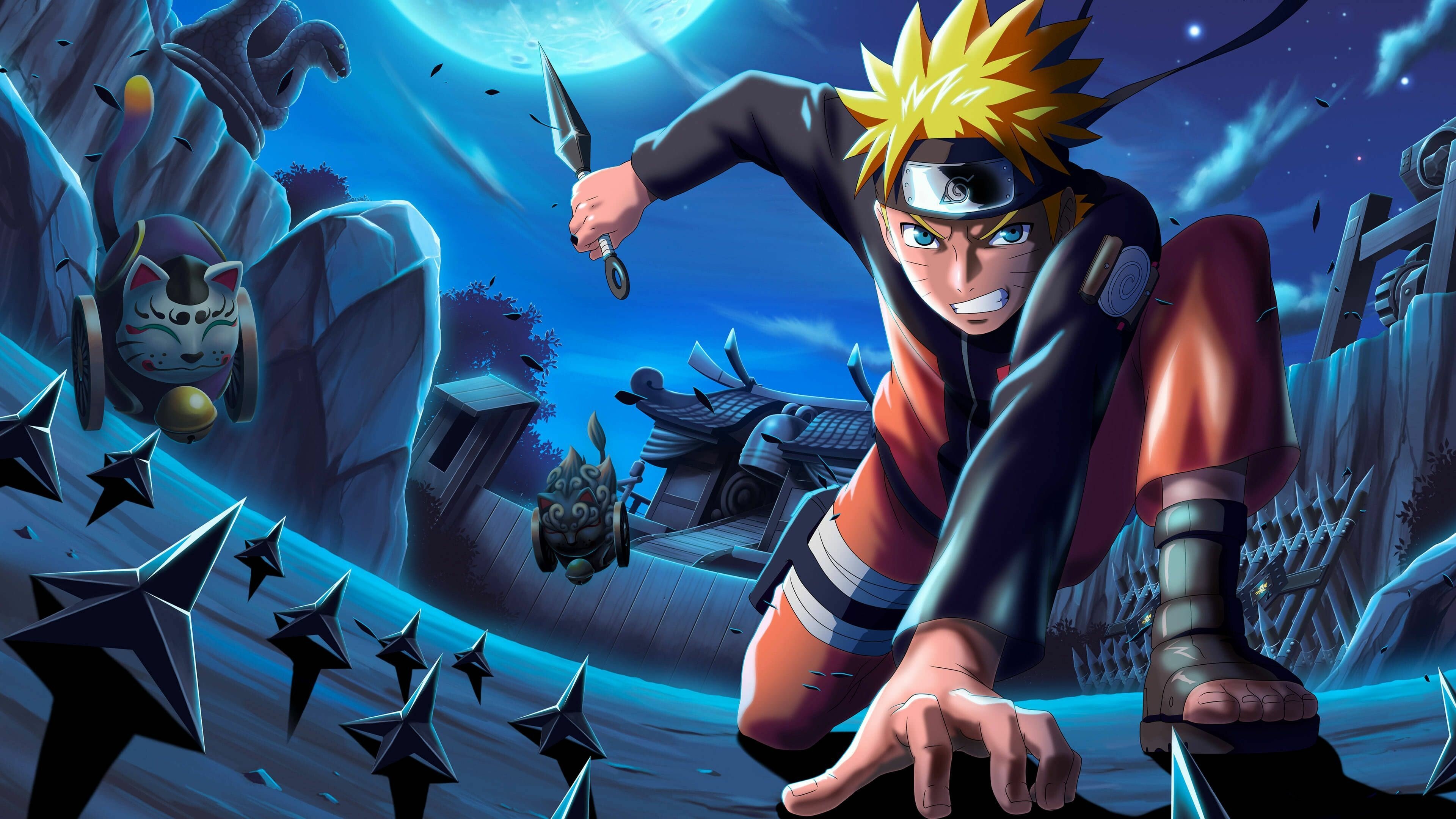
Best Naruto Arcs Ranked (2026): From Chunin Exams to Pain
Complete ranking of the best Naruto arcs from Chunin Exams to the Pain arc. Discover which Naruto Shippuden arcs defined the series and why they matter.
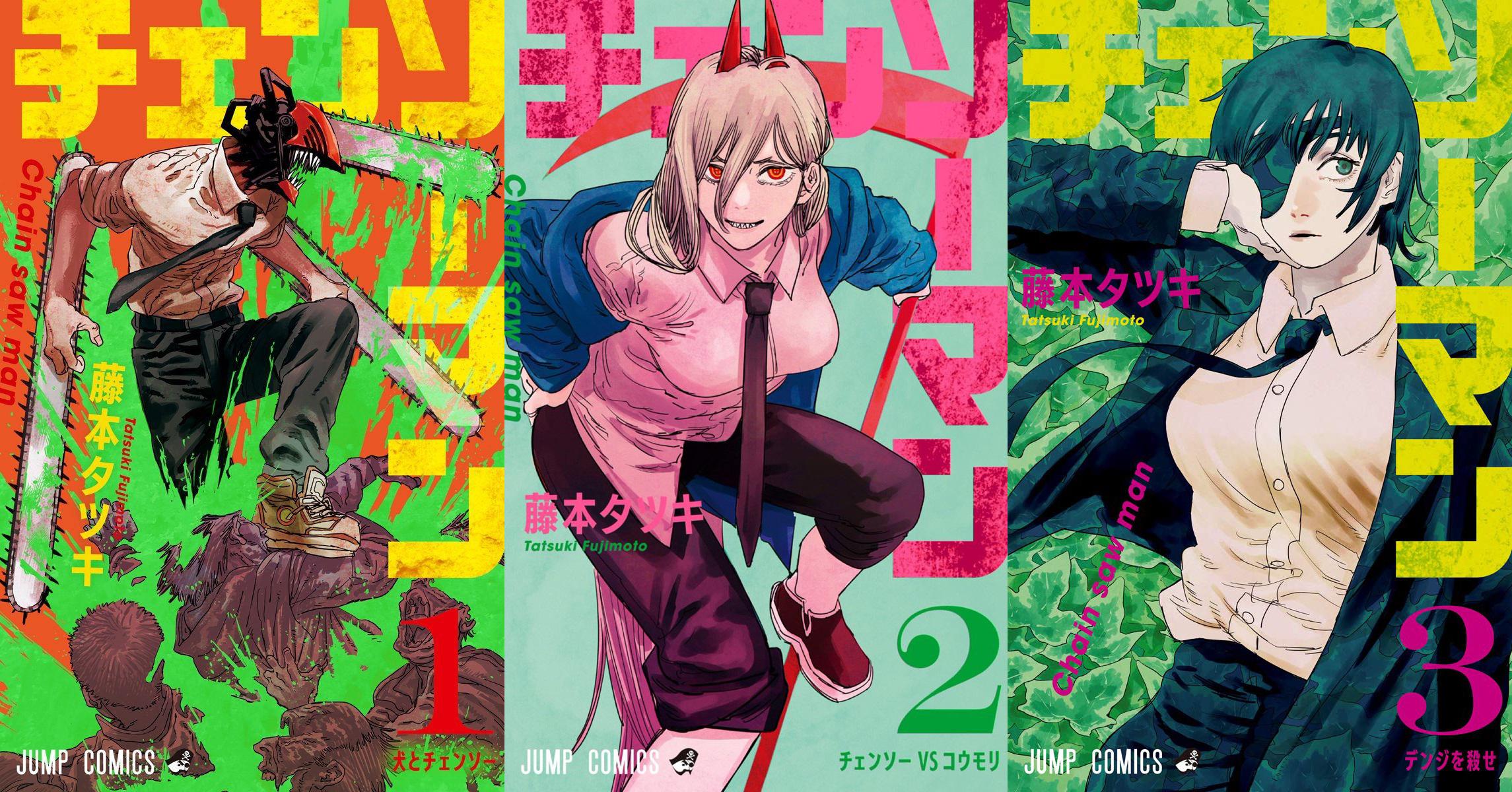
Chainsaw Man Complete Guide: Manga, Story & Characters (2026)
The complete Chainsaw Man guide covering the manga's story, characters, themes, and why Tatsuki Fujimoto's dark shonen masterpiece is revolutionary. Everything you need to know about Denji, Power, Makima, and Part 2.
Jujutsu Kaisen vs Demon Slayer: Which Manga Wins? (2026)
Jujutsu Kaisen vs Demon Slayer: Detailed comparison of story, characters, art style, themes, and anime adaptations. Which dark shonen should you read?