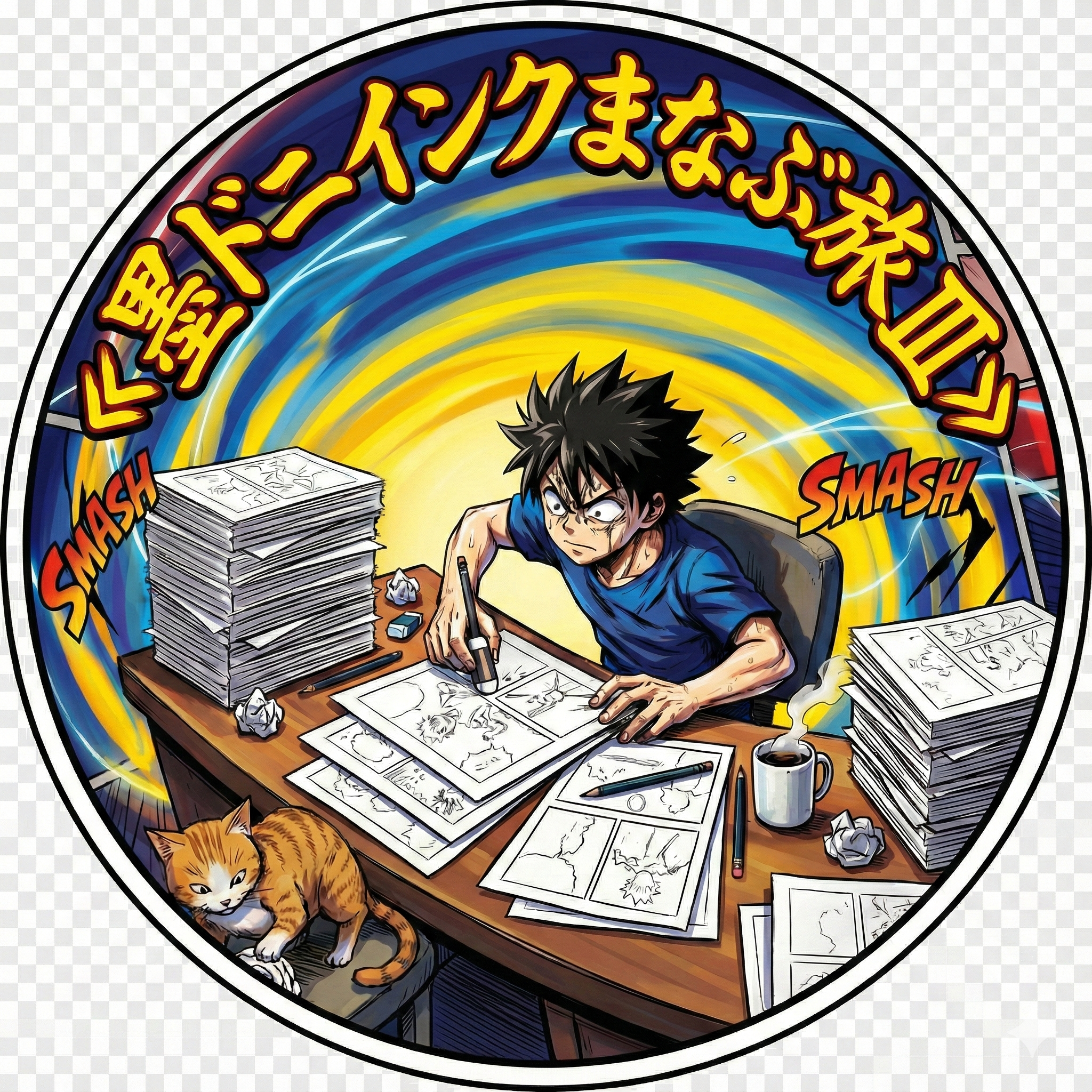
Manga vs Light Novels: Which Should You Read?
A complete comparison of manga and light novels — format, reading experience, storytelling strengths, and how to choose between them. Perfect for fans looking to expand their Japanese fiction horizons.
For readers who have fallen in love with manga and are looking to explore more Japanese fiction, light novels represent a natural next step. Both formats have produced masterpieces of storytelling, both are deeply embedded in Japanese popular culture, and both have generated the anime adaptations that introduce many Western fans to Japanese narrative traditions in the first place. But they are genuinely different reading experiences, each with distinct strengths and limitations.
This guide breaks down the key differences between manga and light novels, examines what each format does best, and helps readers figure out which — or which combination — is right for them.
What Are Light Novels?
Light novels (ライトノベル, raito noberu) are a form of Japanese fiction aimed primarily at young adults, typically shorter than Western novels (around 40,000-50,000 words per volume), written in an accessible style, and illustrated with occasional anime-style artwork. The term distinguishes them from traditional literary fiction and Western-style novels.
The format emerged in the 1970s and 1980s and has since produced some of Japanese popular fiction’s most beloved works. Many of the most popular anime series began as light novels before being adapted: Sword Art Online, Re:Zero, No Game No Life, The Rising of the Shield Hero, Overlord, That Time I Got Reincarnated as a Slime, and The Apothecary Diaries all originated in the light novel format.
Light novels are published in bunkobon format (a small pocket-sized book, typically 10.5 × 14.8 cm), generally with full-color illustration inserts and a wraparound cover illustration. A typical light novel volume takes two to four hours to read and a series can span anywhere from a few volumes to dozens.
What Are the Key Differences?
Visual vs. Prose Storytelling
The most fundamental difference between manga and light novels is their relationship to images. Manga is a visual medium where images carry the primary narrative burden: character expressions, action sequences, environmental storytelling, and emotional atmosphere are all communicated primarily through artwork. Text in manga serves primarily as dialogue and supplementary information.
Light novels, by contrast, are prose fiction. While they typically include several illustrations per volume, these are decorative or scene-establishing rather than narrative. The story is communicated through written description, dialogue, and internal monologue, requiring readers to construct mental images from verbal description.
This difference has profound implications for what each format can achieve. Manga excels at immediate visual impact — a single panel can deliver emotional information that would take paragraphs of prose to convey. Light novels excel at interiority — detailed internal monologue, complex thought processes, and the texture of a character’s mental experience can be rendered with a richness that even the most expressive manga artwork cannot fully replicate.
Reading Speed and Pacing
Manga’s visual nature makes it faster to consume per page but often requires more pages to tell comparable amounts of story. A manga volume typically contains around 180-220 pages and takes 20-45 minutes to read. A light novel volume of similar word count tells considerably more story, taking 2-4 hours to read, but both formats generally cover a similar narrative scope per installment.
The pacing of manga is generally faster and more dynamic, with visual grammar designed to create momentum. Light novels can sustain slower, more contemplative passages that would feel static in manga, and their prose format allows for extended internal reflection without disrupting narrative flow.
Worldbuilding and Exposition
Light novels have a significant advantage in conveying complex worldbuilding and backstory. Fantasy and science fiction worlds with detailed magic systems, political structures, historical depth, and intricate social dynamics can be established through prose narration in ways that manga must communicate through dialogue and visual cues alone.
Many isekai and fantasy light novels spend considerable time establishing their world’s rules, which allows for later payoffs when those rules are tested or broken. The Overlord light novels, for example, contain extensive appendices detailing the mechanics of the game world — information that enriches the experience for interested readers but would be impossible to incorporate into the manga adaptation.
Manga, conversely, excels at conveying atmosphere and visual identity quickly. A well-designed manga page communicates the visual texture of a world — its aesthetic sensibility, its sense of scale, its cultural markers — in moments that prose might struggle to establish with equal immediacy.
Character Interiority
For readers who prioritize understanding characters’ internal experience, light novels generally offer a richer experience. Extended first-person or close third-person narration can render the texture of a character’s emotional and psychological life in detail that manga’s visual format struggles to match.
The isekai genre frequently exploits this strength, using the protagonist’s narrative voice to explore how a modern person’s mindset and knowledge systems interact with fantasy world conventions. Light novels like Re:Zero use their format to render Subaru’s psychological deterioration across repeated deaths with a depth that the anime adaptation (excellent though it is) cannot fully replicate.
Manga, however, can achieve extraordinary character expression through visual means. A character’s face in a moment of crisis can communicate layers of emotional complexity that no prose description fully captures. The formats’ approaches to interiority are genuinely different rather than one being strictly superior.
What Each Format Does Best
Manga Does Best:
Action and combat sequences: The dynamic visual grammar of manga — split panels, motion lines, extreme perspective, speed emphasis — conveys physical conflict with an immediacy and excitement that prose struggles to match. The best fight sequences in Berserk, Demon Slayer, or Jujutsu Kaisen exploit the visual medium’s unique strengths completely.
Character design and visual identity: Manga artists invest enormous effort in making characters immediately recognizable and expressive through visual design. A character’s silhouette, distinctive features, and visual presentation communicates personality information that prose requires paragraphs to convey.
Atmospheric horror: Horror manga like Junji Ito’s work uses the specific properties of static imagery — the way a disturbing image can linger because the reader controls the viewing pace — to create psychological effects unavailable to other media.
Slice-of-life and daily texture: Manga’s visual nature is particularly suited to conveying the sensory texture of everyday life — food, environments, physical interaction, and the specific visual details that make a setting feel inhabited and real.
Emotional impact in key moments: A perfectly composed splash page or double-page spread can deliver emotional payoffs with an immediacy and scale that prose cannot achieve.
Light Novels Do Best:
Complex internal monologue: Extended first-person narration can take readers inside a character’s thought process in ways that visual media can only approximate.
Intricate worldbuilding: Detailed explanations of magic systems, historical context, political structures, and world rules can be woven into prose without disrupting narrative flow.
Nuanced relationship dynamics: The close attention prose pays to dialogue subtext, tone of voice, and the gap between what characters say and what they mean enriches relationship depictions considerably.
Unreliable narration: Prose fiction has a long tradition of unreliable narrators, and light novels exploit this through protagonists whose interpretations of events gradually reveal character flaws or biases. The gap between what a character believes and what is actually happening can be rendered with subtlety unavailable in visual media.
Philosophical and thematic depth: Light novels can sustain extended thematic exploration and philosophical discussion without the visual grammar pressure that manga faces to maintain visual momentum.
Popular Franchises in Both Formats
Many major franchises exist in both manga and light novel formats, often with significant differences between them. Some recommendations based on the relationship between formats:
Start with the light novel: Re:Zero, Overlord, Spice and Wolf, No Game No Life. These series use their prose format’s strengths so extensively that the manga adaptations necessarily lose significant depth.
Start with the manga: Fullmetal Alchemist, Attack on Titan, Vinland Saga. These series were conceived for the manga format and achieve their effects primarily through visual storytelling.
Either is excellent: The Apothecary Diaries, Sword Art Online, That Time I Got Reincarnated as a Slime. Both formats offer quality experiences that emphasize different aspects of the story.
Which Should You Choose?
Choose manga if:
- You are primarily a visual learner who responds more to images than prose
- You prefer faster, more dynamic narrative pacing
- You want to experience action, horror, or slice-of-life genres at their best
- You find prose-heavy reading difficult or tiring
- You want to explore a format that Japanese popular culture has developed with extraordinary sophistication
Choose light novels if:
- You are an experienced prose reader who enjoys extended internal monologue
- You want the deepest possible engagement with complex worldbuilding
- You prefer understanding characters’ thought processes in detail
- You are interested in isekai, fantasy, or science fiction with intricate rule systems
- You find reading prose more comfortable than processing visual narrative
Consider both if:
- You are interested in how the same story is rendered differently in visual and prose formats
- You want to compare a series’ light novel origin with its manga adaptation
- You enjoy exploring the full depth of a franchise you love
Starting Points for Light Novel Newcomers
For manga readers approaching light novels for the first time, a few series offer particularly accessible entry points:
Spice and Wolf by Isuna Hasekura features elegant prose, a charming central relationship, and economic worldbuilding that uses its prose format excellently. The Apothecary Diaries offers mystery plotting and historical atmosphere with a distinctly literary sensibility. Re:Zero’s first volume establishes its devastating loop premise with psychological detail that makes later volumes essential reading for anyone who wants to understand the full scope of Subaru’s experience.
Whatever combination you choose, manga and light novels together represent a remarkable creative ecosystem that continues to expand and innovate in ways that justify the investment of any reader interested in what Japanese popular fiction can achieve at its best.
Related Articles

Shonen vs Seinen Manga: What's the Difference and Which Should You Read?
Understand the key differences between Shonen and Seinen manga. Compare themes, art styles, storytelling approaches with examples of each.

The Complete History of Manga: From Hokusai to Modern Masterpieces
Explore the fascinating history of manga from ancient Japanese scrolls to modern bestsellers. Learn how manga evolved into a global cultural phenomenon.
How to Get Your Manga Published in Japan: The Realistic Guide
Learn the realistic path to getting manga published in Japan. Understand magazine submissions, editorial meetings, the serialization process, and alternatives.