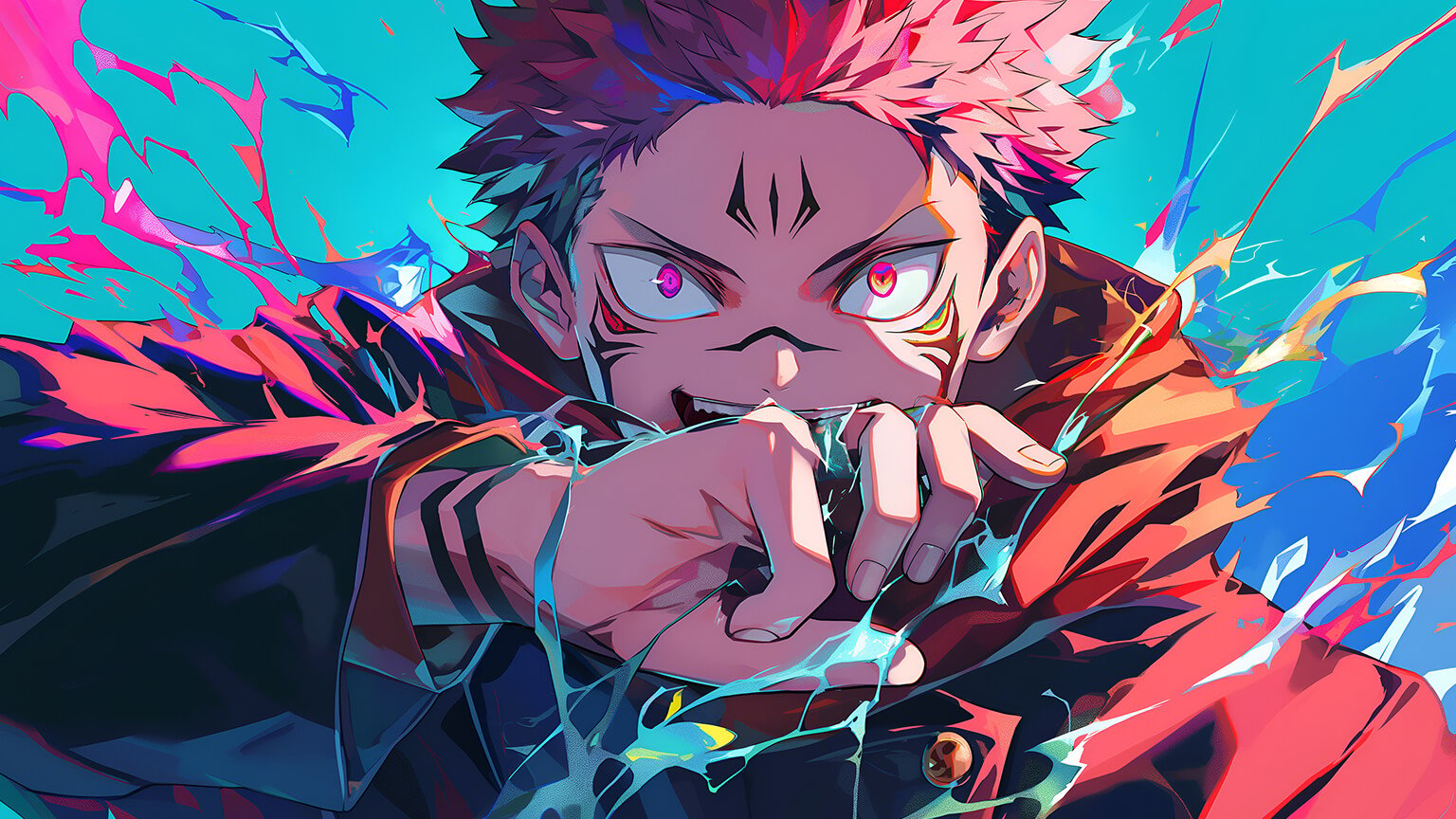
Jujutsu Kaisen Manga Ending Explained: What Really Happened
Complete breakdown of Jujutsu Kaisen's controversial ending. Sukuna's death, Yuji's future, Gojo's fate, and what Modulo means for the series.
Jujutsu Kaisen’s Controversial Ending Explained: A Complete Analysis
After nearly seven years and 271 chapters, Gege Akutami concluded the main narrative of Jujutsu Kaisen in December 2024. The ending left fans divided: some celebrated the philosophical maturity and thematic closure, while others questioned pacing decisions and character resolutions. This comprehensive breakdown dissects what really happened in JJK’s final chapters, why the ending divided the fandom, and what Modulo—the newly announced continuation—means for the series’ future.
Whether you’re waiting to read the final chapters yourself or seeking clarification on controversial moments, this guide provides full context and analysis.
Table of Contents
- Series Overview & 5-Year Journey
- The Final Arc: Culling Game & Hidden Inventory Resolution
- Gojo’s Death: The Most Divisive Moment
- The Sukuna Battle: Yuji vs The King of Curses
- Character Fates: Who Survived & Who Didn’t
- The Philosophical Ending: Why Sukuna’s Death Matters
- Modulo Sequel: What Comes Next
- Fan Reception & Controversy
- Rating the Ending
- Series Legacy Assessment
Quick Reference: JJK Final Arc Timeline
| Event | Chapter(s) | Significance |
|---|---|---|
| Culling Game Begins | 170-191 | Tournament structure introduced |
| Gojo’s Infinity Broken | 220-223 | Gojo takes on Sukuna directly |
| Gojo’s Death | 236 | Strongest sorcerer defeated |
| Final Battle Setup | 237-260 | Yuji gains control of his body |
| Sukuna vs Yuji: Part 1 | 261-265 | Physical and mental confrontation |
| Sukuna vs Yuji: Part 2 | 266-268 | Yuji’s True Strength Awakens |
| Sukuna’s Defeat | 269-271 | Reduced to rice grain; permanent death |
| Epilogue | 271+ | 2-3 years forward; crew reintegration |
Series Recap: Understanding JJK’s 5-Year Arc (2018-2024)
Jujutsu Kaisen began as a traditional battle shonen about Yuji Itadori, a high school student forced to swallow a cursed finger and become the vessel for Sukuna, a thousand-year-old demon. Over 271 chapters, the series evolved from “demon-hunting high schoolers” into an exploration of predestination, acceptance, and the burden of inherited trauma.
Key Story Beats:
- Shibuya Incident (Chapters 80-144): The story’s first major turning point. Yuji is forced to consume 15 of Sukuna’s fingers, synchronizing their power but risking permanent fusion. Junpei’s death establishes real stakes.
- Shibuya Arc Aftermath (145-169): Yuji is imprisoned; Gojo remains the world’s strongest. This middle section expands the scope to include the Culling Game and broader world politics.
- Culling Game (170-236): A tournament organized by Kenjaku (a reincarnated sorcerer) that forces Yuji, Megumi, and others into deadly combat. This arc introduces “binding vows” and explores character depth.
- Hidden Inventory Connection (237-250): Flashback chapters reveal Gojo’s past and his relationship with Geto—information crucial for understanding the final confrontation.
- Final Battle (251-271): Yuji faces Sukuna in a battle that’s simultaneously physical and metaphysical, exploring themes of coexistence, death acceptance, and whether redemption is possible.
The Final Arc Explained: From Culling Game to Sukuna’s Defeat
Culling Game (Chapters 170-236): The Tournament of Forced Participation
The Culling Game functions as both tournament and torture device. Created by Kenjaku, the game forces sorcerers to participate and grants power boosts as incentive. The concept reveals Kenjaku’s philosophy: she believes forced evolution through conflict is necessary for sorcerer advancement.
Why It Matters: The Culling Game separates the cast and forces individual growth. Each character must fight alone, without their usual support systems. This thematic choice—isolation as path to strength—foreshadows the series’ final message about individual responsibility.
Gojo’s Death (Chapter 236): The Strongest Sorcerer Falls
Gojo Satoru’s death at Sukuna’s hands shocked readers because Gojo was positioned as functionally unbeatable. His Infinity technique (which prevents anything from touching him) had never been overcome in combat. Yet Sukuna, through tactical genius and raw power, manages to—
The Battle Details:
- Sukuna uses 200 of his fingers’ power, temporarily boosting Yuji’s body
- He overwhelms Gojo’s Infinity through sheer force and understanding of its mechanics
- Gojo realizes, in his final moments, that Sukuna is the superior sorcerer
- His death is presented as philosophical acceptance: the era of the “strongest individual” ending
Why This Decision Was Controversial: Many fans felt Gojo deserved a more impactful sendoff. His death advances the plot (removing the most powerful ally), but his character arc feels incomplete. Some argue that Gojo’s journey—from arrogant prodigy to world’s protector—deserved more narrative weight in the ending.
The Sukuna Confrontation (Chapters 237-271): Mental & Physical Battle
After Gojo’s death, Yuji regains full control of his body for the final stretch. The battle against Sukuna unfolds across three phases:
Phase 1: Physical Combat (Chapters 261-265)
- Yuji fights Sukuna in pure hand-to-hand combat
- Power levels are nearly equal, but Sukuna has centuries of battle experience
- The physical battle is relatively brief, shifting emphasis from combat to philosophy
Phase 2: Mental Confrontation (Chapters 266-268)
- Sukuna reveals his true nature: he’s not evil, just indifferent to human suffering
- He asks Yuji the series’ core question: “Can you truly understand a being fundamentally different from you?”
- Yuji’s response: acceptance that understanding isn’t necessary for coexistence
Phase 3: Sukuna’s Death (Chapters 269-271)
- Through newfound technique, Yuji literally shrinks Sukuna to a grain of rice
- Sukuna accepts death without fighting, acknowledging Yuji’s growth
- The curse is permanently terminated; no reincarnation possible
The Philosophical Significance: Sukuna’s death isn’t presented as a triumph but as inevitable conclusion. He dies not because he “deserved it” or because he was evil, but because Yuji—the new generation—surpassed him. This reinforces JJK’s theme: generational cycles, where the old must yield to the new.
Character Fates in the Jujutsu Kaisen Ending
Yuji Itadori: From Vessel to Mentor
The epilogue shows Yuji 2-3 years after Sukuna’s defeat. Rather than celebrating victory, he’s training the next generation of sorcerers. This shift—from protagonist to mentor—is thematically important. Yuji’s journey wasn’t about becoming the strongest; it was about becoming someone who could guide others.
His Status: Alive, healthy, and actively training new cursed spirit users. He’s become a bridge between generations.
Gojo Satoru: Dead, But Legacy Intact
Gojo’s death occurs before the final chapter, eliminating the series’ most powerful character. In the epilogue, his school continues his legacy through Yuji’s mentorship.
His Status: Deceased. His final conversation with Sukuna hints at peaceful acceptance of mortality.
Megumi Fushiguro: Ambiguous Survival
Megumi’s fate is deliberately left unclear. During the Culling Game, his body merged with Sukuna’s consciousness, essentially creating a hybrid existence. In the final epilogue:
- Megumi briefly regains consciousness
- His full recovery remains uncertain
- Eyes open suggest possible awakening, but his complete restoration is unconfirmed
His Status: Alive but potentially compromised. The ambiguity sets up Modulo’s plot.
Nobara Kugisaki: Epilogue Appearance
After being severely injured during Shibuya and remaining in recovery, Nobara briefly appears in the epilogue. She’s recovering but not fully integrated into the crew’s activities yet.
Her Status: Alive, in recovery, timeline for full participation unclear.
Yuji’s Nakama: The Crew Reunites
In the epilogue, the surviving core cast—including Maki, Panda, Junpei (in spirit), and others—gather to celebrate the post-Sukuna world. The tone shifts from survival horror to community reconstruction.
Their Status: Alive. The epilogue emphasizes chosen family over individual achievement.
Sukuna’s Philosophical Redemption Arc: Why Fans Debated This Choice
The most controversial aspect of JJK’s ending was how Sukuna was treated in death. Rather than dying as a purely evil antagonist, Sukuna’s final moments involve:
- Acknowledgment of Yuji’s Growth: Sukuna recognizes that Yuji has surpassed him
- Acceptance of Mortality: Rather than raging against death, Sukuna accepts it philosophically
- Coexistence Philosophy: Sukuna’s final words suggest he understands Yuji’s point about mutual existence
Why This Divided Fans:
- Pro Arguments: This redemption reflects JJK’s mature themes. Sukuna as purely evil is reductive; showing his capacity for growth (even in death) is philosophically sophisticated.
- Con Arguments: After 271 chapters of cruelty, Sukuna’s redemption feels unearned. Some fans felt he should have fought to the bitter end rather than accepting philosophical defeat.
What Akutami Achieved: By refusing to make Sukuna a simple villain, JJK suggests that even the most corrupt entities contain capacity for growth. This is the series’ core message—that inherited trauma and curses can be broken, not through hatred, but through understanding.
The Modulo Sequel: JJK’s Continuation in 2025-2026
After concluding the main narrative, creator Gege Akutami announced Modulo, a continuation exploring the world 2-3 years after Sukuna’s defeat.
What We Know About Modulo:
Setting: Post-Sukuna era; the immediate threat has been eliminated Protagonist: Yuji as mentor figure to new generation, with potential new main character Scope: Smaller scale than main series, focusing on rebuilding society and Megumi’s recovery Release: Serialization began early 2025, ongoing
Potential Plot Points:
- Megumi’s full reintegration and recovery process
- The emergence of new curse-related threats (curses don’t disappear entirely)
- Yuji’s role training and evaluating the next generation
- Exploration of the post-curse world’s geopolitical implications
- Possible involvement of surviving antagonists or reformed villains
Why the Continuation Was Announced: Akutami revealed in interviews that the main series felt “structurally complete” but that the world had stories left to tell. Rather than extending JJK artificially, Modulo allows exploration of aftermath while maintaining narrative closure for the original arc.
Fan Reception & The Controversy Breakdown
The Jujutsu Kaisen ending generated significant discussion in fan communities:
Positive Reception (40-50% of fans):
- Appreciated philosophical maturity and thematic closure
- Praised Yuji’s evolution from vessel to mentor
- Celebrated emotional restraint in epilogue (no “all winners” ending)
- Recognized Sukuna’s character complexity
Mixed Reception (25-35% of fans):
- Found pacing rushed in final act
- Debated Gojo’s treatment as anticlimactic
- Questioned whether Megumi’s ambiguity served the narrative
- Wanted more development of post-Sukuna world
Negative Reception (15-25% of fans):
- Felt the ending betrayed shonen conventions
- Criticize Sukuna’s “redemption” as unearned
- Argue that character deaths (particularly Gojo) lacked weight
- Question whether Modulo announcement suggests main ending was incomplete
Major Discussion Topics:
- Power Scaling Issues: Did final power levels make sense?
- Pacing in Final Arc: Were chapters 260-271 too rushed?
- Gojo’s Legacy: Should Gojo have had a final conversation with Yuji?
- Sukuna’s Redemption: Did he truly change, or merely accept fate?
- Megumi’s Ambiguity: Is deliberate ambiguity satisfying storytelling?
Rating the Ending: A Critical Assessment
Thematic Execution: ⭐⭐⭐⭐⭐
JJK’s ending successfully ties its core themes—accepting inherited trauma, choosing one’s path, generational cycles—into meaningful narrative closure. The philosophical depth is exceptional.
Character Resolution: ⭐⭐⭐⭐
Most characters receive satisfying arcs. Yuji’s mentorship position is earned. However, Gojo’s death and Megumi’s ambiguity prevent a perfect score.
Pacing: ⭐⭐⭐
The final 30 chapters cover extraordinary ground. Some arcs (Sukuna’s final moments, Yuji’s awakening) could have benefited from additional pages. The rush to 271 chapters creates minor structural strain.
Emotional Impact: ⭐⭐⭐⭐
The epilogue’s quiet tone—showing the crew training the next generation rather than celebrating victory—carries genuine weight. Yuji’s new role as mentor is emotionally satisfying.
World-Building: ⭐⭐⭐⭐
The post-Sukuna world is intriguing, though deliberately underexplored to leave room for Modulo. Readers understand the implications of a curse-free world without excessive explanation.
Overall Rating: 8.2/10
JJK’s ending is philosophically mature, thematically coherent, and emotionally resonant—but slightly hampered by pacing decisions and character treatment that could have been more refined. It’s a strong ending that respects reader intelligence while maintaining narrative momentum.
Series Legacy: Why Jujutsu Kaisen Matters
Regardless of ending reception, JJK’s influence on 2020s manga is undeniable:
Narrative Innovation:
- Subverted shonen expectations by treating mentors (Gojo) as mortal
- Integrated psychological exploration with action sequences
- Used supernatural elements (curses, binding vows) to explore real trauma
Character Development:
- Female characters (Maki, Nobara) have agency and arcs equal to male leads
- Antagonists receive philosophical complexity rather than simplification
- Secondary characters (Panda, Gojo, Sukuna) are fully realized
Thematic Depth:
- Explored generational responsibility and inherited burden
- Examined acceptance vs. resistance as valid life philosophies
- Connected individual growth to collective evolution
Cultural Impact:
- Proof that mature shonen can achieve mainstream success
- Influenced animation standards through exceptional fight choreography
- Demonstrated that philosophical manga can compete with action-focused narratives
What’s Next: Modulo and Beyond
The announcement of Modulo confirms that the JJK universe continues evolving. For fans debating the ending, Modulo offers an opportunity to see unresolved elements (Megumi’s recovery, new curse emergence, Yuji’s mentorship challenges) developed further.
The series transitions from “Can Yuji defeat Sukuna?” to “What does the world look like without Sukuna, and who fills the power vacuum?” This shift reflects JJK’s growth from traditional battle shonen to philosophical exploration.
Internal Resources & Related Reading
Interested in comparing JJK to other major series? Check our guides:
- Jujutsu Kaisen Character Rankings
- Best Manga Endings of 2024-2025
- One Piece vs Jujutsu Kaisen: Which Anime Wins?
Final Thoughts
View Complete Series on Amazon →
Jujutsu Kaisen’s ending won’t satisfy everyone—and that’s intentional. By refusing to provide easy answers or “everyone wins” closure, Akutami respects readers’ maturity and forces engagement with morally complex questions. Sukuna’s philosophical acceptance of mortality, Yuji’s transition to mentor, and the world’s reconstruction are themes that reward reflection over immediate satisfaction.
The ending asks: What does victory mean if the strongest warrior falls? What is the mentor’s responsibility to the next generation? Can understanding bridge fundamental differences?
For a series that began as “demon-hunting students,” Jujutsu Kaisen evolved into something far more sophisticated: an exploration of burden, choice, and the cycle of generations. The ending honors that evolution, even if not all fans embrace it.
Whether you loved, questioned, or debated the conclusion, Jujutsu Kaisen’s 271-chapter journey remains one of contemporary manga’s most impactful narratives.
What was your reaction to the JJK ending? Share your thoughts in the comments below!
Related Articles
Jujutsu Kaisen vs Demon Slayer: Which Manga Wins? (2026)
Jujutsu Kaisen vs Demon Slayer: Detailed comparison of story, characters, art style, themes, and anime adaptations. Which dark shonen should you read?
My Hero Academia Manga Ending Explained (2026): Final Arc
Complete breakdown of My Hero Academia's manga ending. Final war arc, Deku vs Shigaraki, epilogue explained — everything you need to know.
The Psychology of Attack on Titan: A Deep Dive into Its Complex Characters
Explore the psychological depths of Attack on Titan characters. From Eren's trauma to Reiner's dissociation, understand what makes these characters unforgettable.