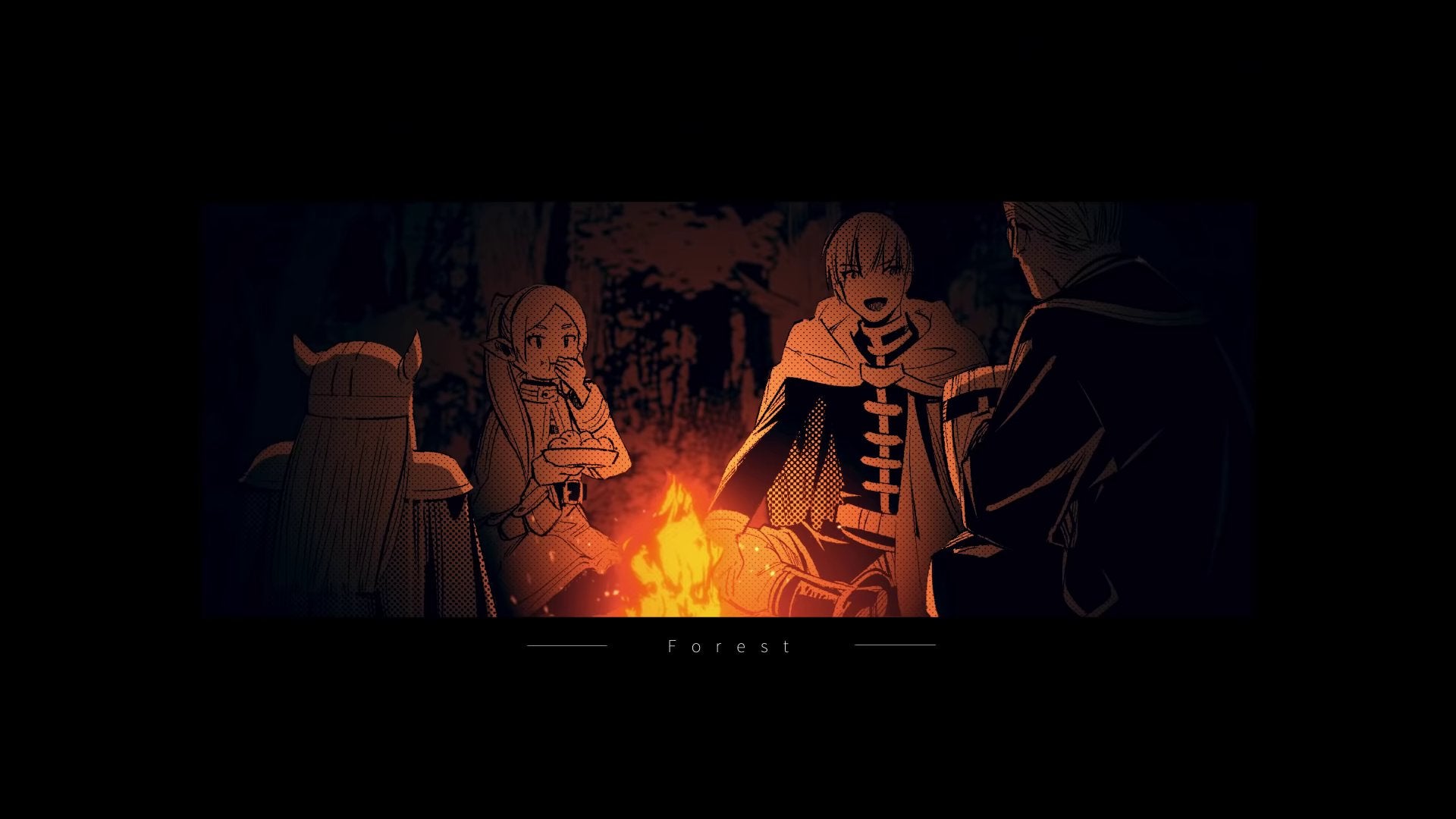
Frieren: Beyond Journey's End — Complete Manga Guide (2026)
Complete guide to Frieren: Beyond Journey's End — the manga redefining fantasy storytelling. Story analysis, character breakdowns, themes of time and grief, and why it won the Manga Taisho Award.
Frieren: Beyond Journey’s End — Redefining Fantasy Storytelling
Kanehito Yamada’s Frieren: Beyond Journey’s End represents a seismic shift in how manga approaches the fantasy genre. Rather than ending when the hero defeats the demon king—the traditional narrative climax—Frieren begins its story at that exact moment. The series explores what happens after adventure concludes: the grief of immortal beings watching mortal companions age and die, the search for meaning beyond combat, and the profound connections possible between beings with radically different lifespans. This premise, seemingly melancholic, instead becomes a celebration of human worth and the meaning created through finite moments.
The genius of Frieren lies in its refusal to treat fantasy adventure as the ultimate story value. Instead, the narrative examines the quieter moments: conversations between companions, small magical discoveries, teaching a young mage foundational spells, and understanding why human friendships matter despite their inevitable conclusions. By positioning itself as the story after the adventure, Frieren comments on every traditional fantasy narrative where the hero’s journey ends with the villain’s defeat. Yamada asks: what about the people left behind? What did the adventure mean beyond victory conditions?
This complete guide covers Frieren’s narrative structure, character development, thematic resonance, and why this series won the Manga Taisho Award while redefining expectations for contemporary fantasy manga.
⚡ TL;DR — Complete guide to Frieren: Beyond Journey’s End — the manga redefining fantasy storytelling. Story analysis, character breakdowns, themes of time and grief, and why it won the Manga Taisho Award.
Quick Reference: Frieren Story Arc Breakdown
| Story Arc | Chapters | Focus | Thematic Weight | Status |
|---|---|---|---|---|
| Reunion & Departure | 1-20 | Acknowledging mortality, beginning new journey | Grief and acceptance | Complete |
| First Leg | 21-50 | Meeting Fern, establishing new companions | Connection and teaching | Complete |
| Magical Exams | 51-80 | Challenging conventions, growth through competition | Ambition vs wisdom | Complete |
| Curse Mysteries | 81-110+ | Exploring magic’s human costs, deeper threats | Legacy and consequence | Ongoing |
| Ongoing Expansion | 110+ | Continued world exploration | Deepening character bonds | Ongoing |
Post-Adventure Fantasy: A Radical Premise
Most fantasy narratives reach their climax when the hero defeats evil, but Frieren’s premise inverts this expectation. After spending ten years traveling with the hero Himmel and his companions Eisen and Heiter to defeat the Demon King, Frieren discovers that this decade-long journey represents merely a fraction of her immortal existence. Himmel, whose friendship sustained Frieren throughout the adventure, passes away within months of their victory. When Heiter suffers a stroke and becomes unable to adventure further, Frieren realizes her companions—who defined her recent existence—are disappearing while she continues unchanged.
This existential crisis drives Frieren’s new journey. Rather than seeking external conflict resolution, Frieren searches for understanding: what made her companions’ brief lives meaningful? Why did ten years with humans matter enough to disrupt her thousand-year existence? Can finite beings create lasting significance? These philosophical questions transform Frieren from action-adventure narrative into philosophical meditation on mortality and connection. The story asks whether relationship quality matters despite relationship brevity.
By positioning the Demon King’s defeat as prologue, Yamada comments on the fantasy genre’s priorities. Traditional narratives valorize combat victory, world-saving achievement, and power escalation. Frieren suggests these external achievements matter far less than the interpersonal connections forged during the journey. The true story begins when external conflict ends and characters must confront what the adventure meant beyond literal victory.
Frieren — The Immortal Who Must Learn Mortality
Frieren’s character arc represents one of contemporary manga’s most sophisticated explorations of immortality. As a mage who has lived over a thousand years, Frieren has accumulated immense magical knowledge and combat prowess. However, her longevity has created emotional distance. To a being with centuries of experience, a human lifespan (typically 80-100 years) seems statistically insignificant. Frieren has spent millennia watching humans be born and die, creating a protective psychological distance that prevents genuine emotional investment.
Himmel’s death shatters this defensive mechanism. Despite her immortal perspective, Frieren realizes she genuinely loved her companion. This recognition forces recalibration of her emotional values. She begins understanding that human mortality doesn’t diminish their worth—it intensifies it. The finite nature of human life creates urgency, passion, and depth that immortal beings might never achieve. This realization propels Frieren toward a new emotional journey: learning to value human connection despite knowing it will inevitably end through natural death.
Frieren’s character development involves learning to experience grief without self-protective distance. Rather than dismissing human lifespans as insignificant, she learns to see beauty in human brevity. She begins teaching younger humans magic not out of responsibility but because connection across mortality differences enriches her existence. By series conclusion, Frieren hasn’t become more human—rather, she’s learned to value humanity’s temporal nature as something precious rather than tragic. Her immortality, rather than becoming a blessing, becomes a burden that she bears by consciously choosing to connect with ephemeral beings repeatedly.
Fern — Growth and Potential Unbound
Fern begins as a young mage rescued from an abusive household by Heiter and trained in basic magic. When Frieren encounters her, Fern is competent but uncertain of her potential. Through Frieren’s guidance and the journey’s challenges, Fern develops into a genuinely powerful mage whose understanding of magic rivals Frieren’s in certain domains. However, Fern’s significance extends beyond power escalation. She becomes Frieren’s emotional anchor—the human companion who brings Frieren back from philosophical abstraction into present-moment connection.
The relationship between Frieren and Fern explores mentorship across massive power disparities. Rather than Frieren simply transferring knowledge to a weaker student, the relationship becomes genuinely bilateral. Fern teaches Frieren emotional literacy; Frieren teaches Fern magical sophistication. Fern’s growth matters not because she becomes powerful but because each step toward competence represents a human choosing to develop despite limitations. Frieren learns from Fern’s determination because it embodies the value she’s learning to respect: humans achieving significance through effort despite finite time.
Fern’s character also explores ambition and self-worth. Initially uncertain of her value, Fern gradually develops confidence in her abilities and judgment. Her character arc demonstrates that confidence isn’t presumption but earned recognition of genuine capability. By series progression, Fern becomes a woman capable of making independent decisions and challenging Frieren when necessary. This evolution from uncertain student to confident peer exemplifies the human growth that fascinates Frieren.
Stark — Redemption and Second Chances
Stark enters the narrative as a warrior seeking redemption for his past as a mercenary, implied to involve violence and moral compromise. Rather than dwelling on his past, Stark seeks contribution to a meaningful journey. His character represents the human capacity for self-transformation—the ability to acknowledge past mistakes and deliberately choose different paths forward. For an immortal like Frieren, Stark’s redemption arc is philosophically fascinating: humans can reinvent themselves completely across single lifespans, whereas immortal beings accumulate identities across centuries.
Stark’s relationship with Frieren develops through mutual respect. He recognizes her as genuinely powerful, beyond conventional warrior categories. She recognizes his as sincere in his desire for redemption. The relationship lacks romantic tension (Yamada largely sidesteps romance, focusing instead on emotional connection and grief). Instead, Stark and Frieren share a relationship of growing trust and mutual appreciation. Stark demonstrates that meaningful companionship doesn’t require combat partnership—he chooses to travel with Frieren and Fern because the journey feels significant, not because he needs employment.
Stark’s character arc also explores masculinity and vulnerability. Unlike traditional warrior characters who valorize stoicism, Stark openly acknowledges fear, uncertainty, and emotional wounds. His willingness to be vulnerable (discussing his past without defensiveness, admitting limitations) becomes his strength rather than weakness. This characterization challenges traditional fantasy tropes where emotional openness diminishes character dignity. Yamada suggests that authenticity and vulnerability represent strength that stoicism cannot achieve.
Himmel’s Absence as Presence
Though Himmel dies before the narrative begins, his influence permeates the entire story. Frieren’s post-adventure journey exists because Himmel mattered so profoundly. His absence—the fact that no matter how Frieren continues, Himmel remains gone—becomes the story’s emotional anchor. Frieren cannot achieve typical narrative closure through reunion or revelation. Instead, she must create meaning from Himmel’s permanent absence.
Himmel’s character, primarily conveyed through memories and other characters’ recollections, represents genuine heroism divorced from power scaling. He wasn’t exceptionally talented at magic; various companions possessed greater magical or martial prowess. However, Himmel possessed qualities that transcended combat: genuine compassion, ability to motivate companions through character rather than authority, and unwavering commitment to the journey’s significance. His heroism derived from who he was, not what he could do.
By positioning Himmel as absent but profoundly influential, Yamada comments on legacy and remembrance. What people leave behind doesn’t require physical presence. Frieren’s journey forward, every choice informed by time spent with Himmel, represents how human impact extends beyond lifetime. This narrative choice—making absence present—demonstrates sophisticated storytelling that respects readers’ emotional intelligence. The story doesn’t exploit Himmel’s death for melodramatic impact; instead, it thoughtfully explores how loss informs continuing life.
Thematic Exploration: Time, Mortality, and Connection
Frieren operates across multiple thematic dimensions simultaneously. The primary theme explores the meaning of finite time. For humans, mortality creates urgency: every moment with loved ones matters because time is limited. Frieren must learn that this limitation, which she previously saw as tragic, actually creates meaning. The finitude of human life doesn’t diminish its value—it creates the very conditions that make value possible.
Secondary themes explore grief and acceptance. The narrative doesn’t suggest that grief diminishes with time or that immortal beings achieve emotional transcendence. Instead, it proposes that grief is appropriate response to genuine loss. Frieren experiences profound sadness when Himmel dies, and this sadness proves the realness and depth of their connection. Rather than moving past grief through distraction, Frieren honors it by seeking to understand what made Himmel worthy of grief.
A tertiary theme explores ambition and wisdom. While Fern and Stark pursue various goals (magical mastery, redemption), Frieren pursues understanding rather than achievement. This reflects a philosophy that wisdom—particularly regarding human worth and connection—matters more than power or accomplishment. The narrative subtly critiques achievement-oriented culture, suggesting that being rather than doing might represent deeper human value.
Finally, the series explores teaching and legacy. Frieren’s role as mentor to Fern, and her learning from her human companions, demonstrates how genuine knowledge transfer requires vulnerability and presence. Effective teaching isn’t one-directional transmission from expert to student; it’s mutual transformation where both parties grow through authentic engagement.
Manga vs. Anime: Complementary Mediums
The Frieren manga (ongoing as of 2026) and anime adaptation (2023-2024 season 1, with season 2 announced) represent exceptional examples of how manga and anime can provide complementary rather than redundant experiences. The manga, illustrated by Yamada with clean linework and expressive character design, allows readers to control pacing and provides immediate access to latest chapters. The anime, adapted by Studio MAPPA, features lush background art, beautiful color work, and a haunting soundtrack by Evan Call that amplifies emotional resonance.
Reading the manga provides the experience closest to Yamada’s original artistic vision. The manga’s pacing allows for quieter moments where character expression and environmental details create emotional weight. Readers can linger on pages that particularly resonate, and can reread sections to appreciate foreshadowing and character development.
The anime excels at bringing Frieren’s world to visual life in ways manga cannot. MAPPA’s animation quality creates flowing movement, beautiful landscape cinematography, and visual transitions that enhance emotional beats. The voice acting (particularly in the Japanese version, though the English dub is competent) adds another dimension to character depth. The soundtrack provides emotional scaffolding that enhances the narrative’s meditation on grief and connection.
Neither format is superior. Both are worth experiencing. Ideally, readers start with the anime for visual spectacle and emotional pacing, then read the manga to experience the complete story and appreciate Yamada’s original artwork. Alternatively, manga readers can watch the anime to experience how Studio MAPPA interprets their beloved story.
Why Frieren Won the Manga Taisho Award
The Manga Taisho (or Manga Grand Prize) recognizes exceptional manga that represents the medium at its finest. Frieren won this prestigious award by excelling across multiple dimensions simultaneously. First, the narrative structure inverts genre expectations without sacrificing entertainment. Rather than becoming philosophical at the expense of engaging storytelling, Frieren maintains page-turning momentum while exploring profound themes.
Second, the character writing demonstrates sophisticated understanding of human psychology and emotional development. Each character grows through genuine challenges and thoughtful choices rather than arbitrary power escalation. The supporting characters (Fern, Stark) receive development equal to the protagonist, creating ensemble dynamics where multiple perspectives matter equally.
Third, the thematic content respects reader intelligence. Frieren doesn’t explain its messages about mortality and connection explicitly. Instead, these themes emerge through story, character interaction, and environmental detail. Readers discover meaning rather than being told what to think. This respect for audience intelligence marks mature manga writing.
Fourth, the manga’s visual clarity and composition demonstrate mastery of the medium. Yamada’s character expressions convey emotional complexity, background detail creates atmosphere, and panel layouts control pacing precisely. The visual language communicates what words cannot.
Finally, Frieren represents a response to contemporary manga’s often adolescent power fantasies. By valorizing emotional growth, connection, and wisdom over combat prowess and achievement, Frieren offers an alternative vision of what manga can explore. The award recognizes this as exemplary contemporary manga craft.
Frequently Asked Questions
Q: What is Frieren: Beyond Journey’s End about? A: Frieren tells the story of an elf mage who spends a decade with a hero and his companions defeating the Demon King. However, the ten years represent merely a blink in Frieren’s 1000+ year lifespan. When her human companions age and pass away, Frieren embarks on a new journey to understand the meaning of the time she spent with them. The narrative explores grief, legacy, connection across mortality differences, and discovering humanity’s richness despite their finite lifespans. Rather than treating the Demon King’s defeat as the story’s climax, Frieren begins where traditional fantasy narratives conclude, examining what remains after adventure ends.
Q: Who are the main characters and what are their roles? A: Frieren is the protagonist—a powerful mage struggling to comprehend human mortality and the value of brief human lives. Fern is a young mage discovered by Frieren who becomes her companion and emotional anchor, representing human connection and growth. Stark is a warrior seeking redemption for his previous life as a mercenary, embodying themes of second chances. Himmel, the hero who defeated the Demon King, passed away before the series begins—his memory drives Frieren’s journey. These characters represent different perspectives on mortality: Frieren’s immortal detachment, Fern’s youth and potential, Stark’s past trauma, and Himmel’s inspirational absence that motivates the narrative.
Q: How does the manga differ from the anime adaptation? A: The manga (ongoing) and anime (2023-2024 season 1, with season 2 announced) are very close in content for adapted chapters. The anime features Studio MAPPA’s exceptional art direction, beautiful landscapes, and composed pacing that allows emotional moments to resonate. The manga provides immediate access to chapters beyond the anime’s adaptation, showing where the story progresses. Frieren benefits from both formats: manga for complete story access and reading pace control; anime for visual beauty and emotional soundtrack enhancement. Neither format is definitively superior—they complement each other beautifully.
Q: Why did Frieren win the Manga Taisho Award? A: Frieren won the 2023 Manga Taisho Award because it represents exemplary manga craftsmanship across multiple dimensions. The story’s thematic depth—exploring mortality, grief, and human connection—elevates it beyond typical fantasy narrative. Yamada’s character writing creates emotionally resonant moments despite fantasy trappings. The narrative structure, which subverts expectations by treating the hero’s journey as prologue rather than the story’s main event, demonstrates sophisticated storytelling. The manga’s visual clarity, emotional pacing, and respect for reader intelligence impressed voters seeking manga that challenges and enriches rather than merely entertains. Winning the award reflects recognition of Frieren as contemporary manga at its artistic and narrative finest.
Q: Is Frieren still ongoing? How many chapters are there? A: Frieren remains ongoing as of 2026, with no announced ending date. The manga has published over 100 chapters across multiple volumes, continuing to explore Frieren’s post-adventure journey and new companions. The serialization pace allows for thoughtful storytelling without rushing narrative development. Readers should expect the series to continue evolving Frieren’s emotional journey and introducing new story arcs as she discovers humanity’s depths across her immortal existence. The ongoing status provides opportunity for extensive character development and thematic exploration that rushed conclusions would compromise.
Start Your Journey with Frieren
Experience the award-winning manga that’s redefining fantasy storytelling. Frieren’s exploration of mortality, connection, and human worth offers a rare combination of entertainment and philosophical depth.
Begin with Frieren and discover why this series won the Manga Taisho Award and captured international audiences seeking manga of genuine emotional and artistic maturity.
Related Manga You Might Enjoy
After experiencing Frieren’s emotional journey, explore these similar series:
- Vinland Saga — Mature exploration of war, peace, and redemption
- Mushishi — Episodic fantasy with philosophical depth
- Tower of God — Character-driven fantasy with worldbuilding
- The Ancient Magus’ Bride — Fantasy exploring connection across difference
Related Articles
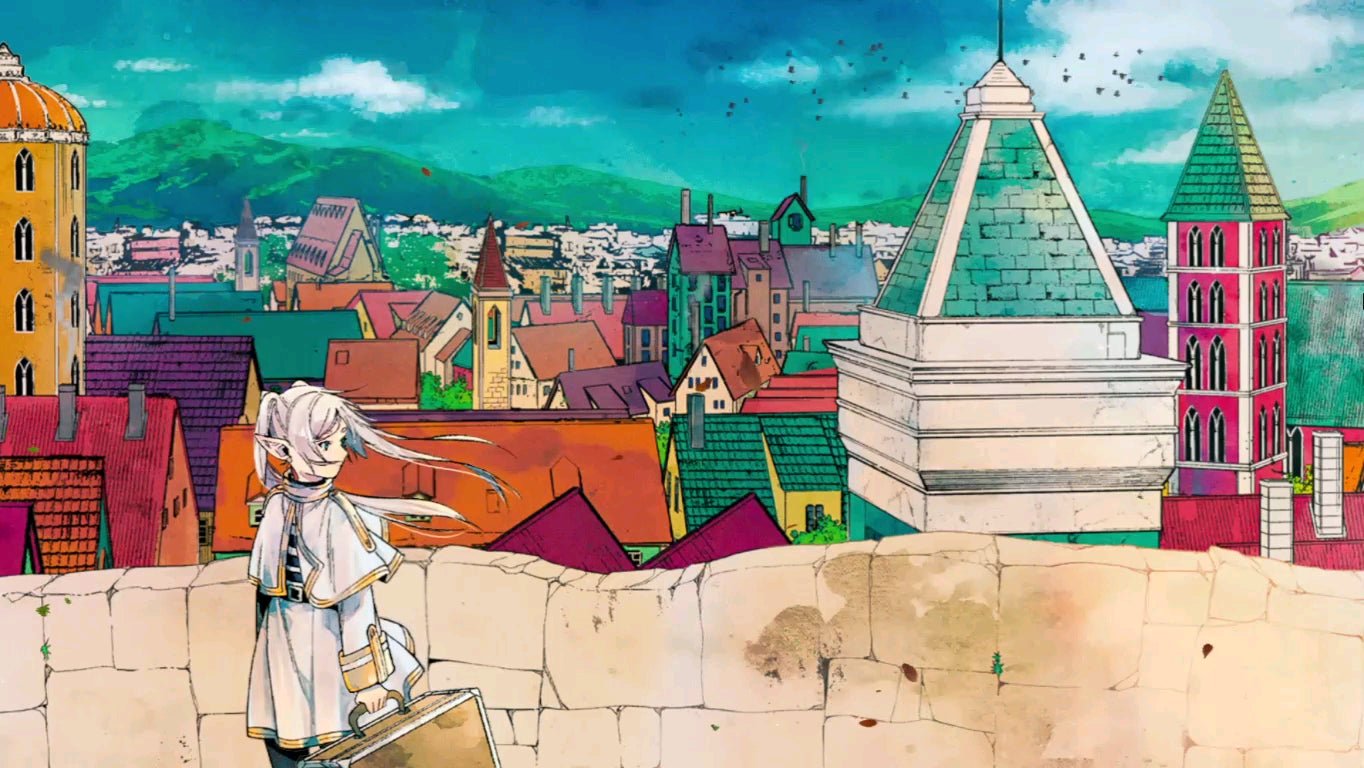
Frieren: Beyond Journey's End Complete Guide (2026)
Complete guide to Frieren: Beyond Journey's End. Story summary, characters, magic system, manga vs anime comparison, and why this contemplative fantasy is a modern masterpiece.
Berserk Manga Reading Order (2026): Complete Guide & Arcs
The complete Berserk reading order and arc guide. From Black Swordsman to Fantasia — how to read Kentaro Miura's masterpiece and what happens after his passing.

Chainsaw Man Complete Guide: Manga, Story & Characters (2026)
The complete Chainsaw Man guide covering the manga's story, characters, themes, and why Tatsuki Fujimoto's dark shonen masterpiece is revolutionary. Everything you need to know about Denji, Power, Makima, and Part 2.