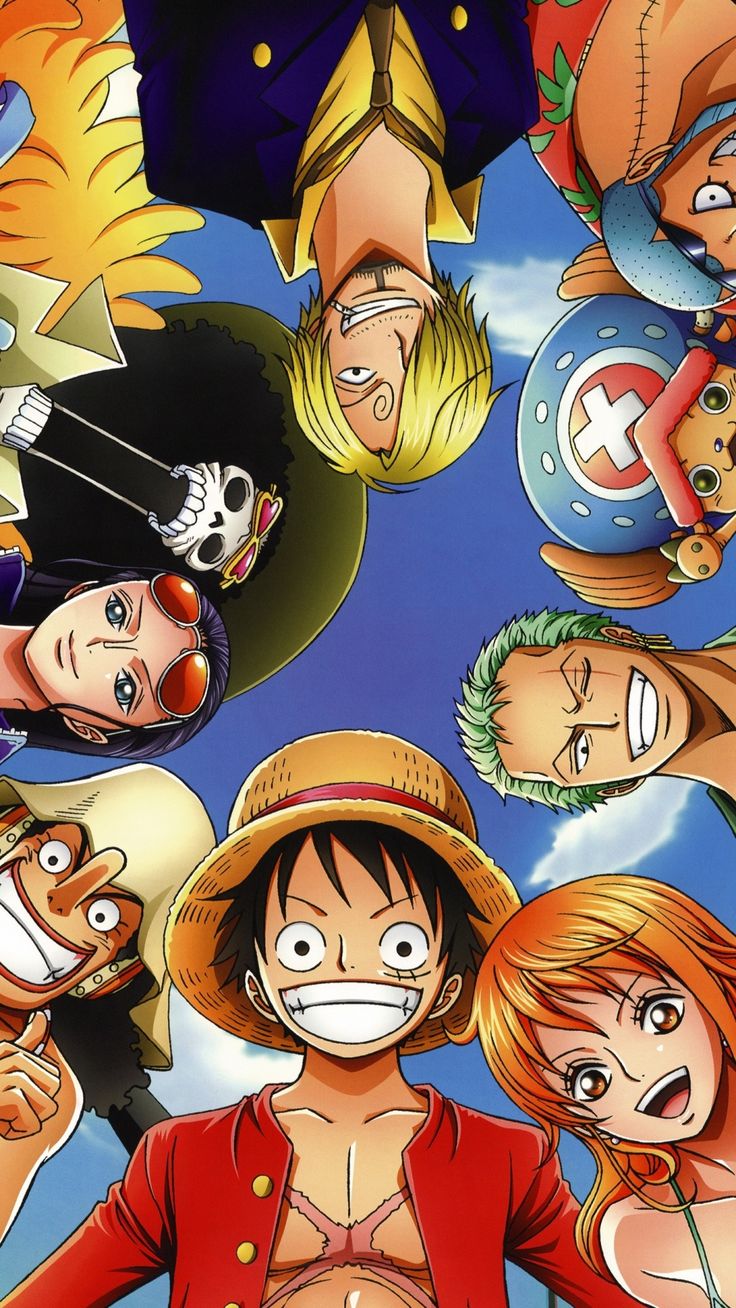
Best One Piece Arcs Ranked (2026): The Complete Guide
Discover the top 10 best One Piece arcs ranked by narrative impact. From Marineford to Wano, we break down every essential arc every fan must experience.
The Ultimate One Piece Arc Ranking: Your Complete Viewing Guide
When Eiichiro Oda launched One Piece in 1997, few could have predicted it would become the best-selling manga series in history. Today, with over 1,100+ chapters and counting, the series is structured around epic narrative arcs that each reshape the world and Luffy’s ambitions. This guide ranks the best One Piece arcs by narrative impact, character development, and emotional resonance—giving you the roadmap to understanding why millions of fans consider this series a masterpiece.
Whether you’re a longtime Nakama or just beginning your Grand Line adventure, understanding which arcs matter most will deepen your appreciation for Oda’s world-building and storytelling craft.
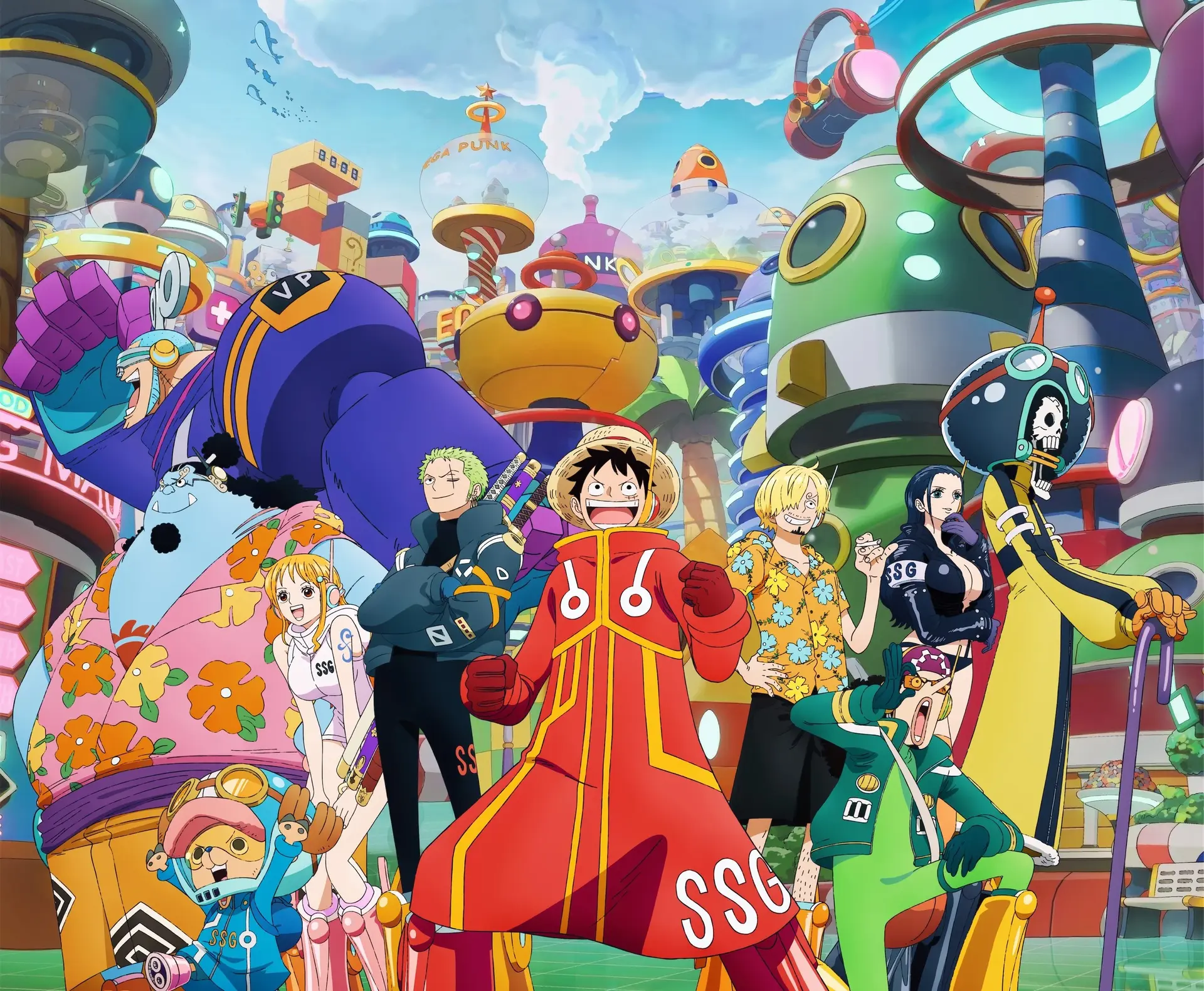
Table of Contents
- Marineford War Arc
- Enies Lobby Arc
- Wano Country Arc
- Whole Cake Island Arc
- Impel Down Arc
- Alabasta Arc
- Thriller Bark Arc
- Sabaody Archipelago Arc
- Dressrosa Arc
- Sky Island Arc
Quick Reference: One Piece Arc Rankings
| Rank | Arc Name | Chapters | Why It Matters | Rating |
|---|---|---|---|---|
| 1 | Marineford War | 496-516 | Ace’s death; world-shifting consequences | ⭐⭐⭐⭐⭐ |
| 2 | Enies Lobby | 375-426 | Robin’s past revealed; “I want to live!” moment | ⭐⭐⭐⭐⭐ |
| 3 | Wano Country | 909-1056+ | Gear 5 debut; Joy Boy revelation; Kaido defeat | ⭐⭐⭐⭐⭐ |
| 4 | Whole Cake Island | 825-902 | Big Mom introduction; Sanji family secrets | ⭐⭐⭐⭐ |
| 5 | Impel Down | 490-560 | Prison breakout; Crocodile redemption arc | ⭐⭐⭐⭐ |
| 6 | Alabasta | 155-217 | First major villain; Vivi’s emotional journey | ⭐⭐⭐⭐ |
| 7 | Thriller Bark | 442-489 | Zoro’s sacrifice; Brooke joins crew | ⭐⭐⭐⭐ |
| 8 | Sabaody Archipelago | 517-597 | Rayleigh introduction; crew separation | ⭐⭐⭐⭐ |
| 9 | Dressrosa | 700-801 | Law’s backstory; Doflamingo defeated | ⭐⭐⭐⭐ |
| 10 | Sky Island | 215-302 | Ancient history mystery; Enel as villain | ⭐⭐⭐⭐ |
#1: Marineford War Arc — The War That Shook The World
Chapters: 496-516 | Rating: ⭐⭐⭐⭐⭐
The Marineford War Arc is the explosive culmination of everything One Piece had been building toward. When Luffy learns that his adoptive brother Ace—the son of the Pirate King Gold Roger—will be executed by the Navy, he storms Marine headquarters with an unlikely alliance of prisoners from Impel Down. This arc doesn’t just deliver battles; it delivers consequences that fundamentally alter the series’ trajectory.
Why It Matters Narratively: Marineford forces readers to confront the real cost of Luffy’s ambitions. This isn’t a victory lap or a clever escape—it’s a catastrophic loss. Ace’s death isn’t a plot twist meant to shock; it’s a consequence of Luffy’s inability to save everyone despite his power. The arc demolishes the early-series illusion that Luffy’s determination can overcome any obstacle. It teaches him (and readers) that the Grand Line is genuinely deadly, and that even the strongest pirate crews can suffer irreversible losses.
Furthermore, Whitebeard’s death and the resulting power vacuum reshapes the entire world’s geopolitical landscape. Four new Yonko emerge. The balance of naval power shifts. A two-year timeskip becomes necessary for recovery. Few manga arcs have this level of structural impact on the narrative itself.
Best Moment / Iconic Scene: The moment Ace dies in Luffy’s arms remains one of manga’s most emotionally devastating scenes. Luffy’s primal scream of anguish, drawn with masterful impact, transcends typical shonen posturing. But equally iconic: Whitebeard’s final stand, proclaiming that the One Piece does exist and urging young pirates to pursue their dreams—a torch-passing moment that validates the entire pirate philosophy the series celebrates.
#2: Enies Lobby Arc — Robin’s Moment & The Crew’s First True Test
Chapters: 375-426 | Rating: ⭐⭐⭐⭐⭐
The Enies Lobby Arc represents One Piece at its most emotionally mature. After the intrigue and mystery of Water 7, the Straw Hats launch a direct assault on a government fortress to rescue Robin, who has decided to surrender herself to protect the crew. This arc asks fundamental questions: What are the limits of friendship? Will the crew sacrifice everything for one member?
The answer Luffy gives—an unqualified yes—crystallizes his leadership philosophy. Robin’s backstory (the buster call that destroyed Ohara, her decades of loneliness) finally receives the emotional resolution it deserves. Her crying scene (“I want to live!”) remains a benchmark for character vulnerability in shonen manga.
Why It Matters Narratively: Enies Lobby establishes that the Straw Hat crew operates under a different moral code than the wider world. They will openly declare war on the World Government for one member. This sets the template for how the crew functions throughout the rest of the series. Additionally, the revelation of the Buster Call as a standard Navy procedure, and Ohara’s destruction as a historical atrocity, deepens the political dimensions of One Piece’s world. The Navy isn’t just an opposing force; it’s an institution that commits genocides to control information.
Best Moment / Iconic Scene: “I want to live!” as Robin finally accepts her place in the crew. The entire crew’s declaration of war against the World Government. Luffy’s use of Gear 2 for the first time, demonstrating how far he’s willing to push his body to protect his friends.
#3: Wano Country Arc — The Current Saga’s Peak
Chapters: 909-1056+ | Rating: ⭐⭐⭐⭐⭐
Wano Country is the longest arc in One Piece history and arguably the most ambitious. Set in a samurai-inspired island nation under foreign occupation, the arc serves multiple purposes: giving Luffy a worthy opponent in Kaido (one of the Four Yonko), explaining the mystery of Joy Boy and the ancient kingdom, and delivering Luffy’s ultimate power transformation (Gear 5).
The arc unfolds across multiple act structure, with Act 1 building intrigue, Act 2 establishing Wano’s suffering under Kaido’s rule, Act 3 delivering the climactic raid on Onigashima, and Acts 4-5 providing epilogue and consequence management.
Why It Matters Narratively: Wano confirms that Luffy is no longer a pirate seeking adventure—he’s becoming a force capable of challenging the established world order. His defeat of Kaido signals that the next generation of pirates is ready to reshape the era. The Joy Boy revelation (suggesting Luffy is the reincarnation of a legendary figure from the ancient kingdom) elevates the story from adventure narrative to mythic epic.
The arc also demonstrates how extensively One Piece connects historical mystery to present-day conflict. Ancient technology, the Void Century, poneglyphs, and fruits of awakening potential—suddenly decades of setup converge into a coherent philosophy of history and power.
Best Moment / Iconic Scene: Luffy’s Gear 5 awakening against Kaido, complete with cartoonish power levels and the revelation that his Devil Fruit is actually a human-human fruit of the mythical zoan type. The victory lap where Wano citizens celebrate liberation. Yamato’s character arc asking fundamental questions about inherited identity and freedom.
#4: Whole Cake Island Arc — Enter the New Generation’s Greatest Threat
Chapters: 825-902 | Rating: ⭐⭐⭐⭐
Whole Cake Island introduces one of the series’ most formidable antagonists: Big Mom, one of the Four Yonko. Unlike previous arcs where Luffy battles a single powerful enemy, WCI forces him to navigate a completely hostile territory while separated from most of his crew. The island itself is an endless landscape of sentient desserts and surreal dangers, each reflecting Big Mom’s unhinged psychology.
The arc’s core conflict derives from Sanji’s forced engagement to one of Big Mom’s children, dragging the crew into familial politics and forcing Sanji to confront his traumatic past as a Vinsmoke—member of a militaristic royal family that he abandoned.
Why It Matters Narratively: WCI marks the transition point where Luffy stops being the underdog pirate and becomes a genuine threat to the world’s established powers. His willingness to assault a Yonko’s territory sets off diplomatic and naval responses that will reverberate through the rest of the series. Additionally, Sanji’s character arc—choosing Luffy’s crew over biological family—reinforces the series’ central message that bonds of choice exceed bonds of blood.
The arc also expands the world meaningfully. We meet the Vinsmoke family, learn about arranged marriages in this world, and see how the superpowers (Yonko) actually operate their territories.
Best Moment / Iconic Scene: Big Mom’s rampage scenes, where her hunger tantrums literally destroy her own island. Sanji’s emotional scene when he finally commits to the Straw Hats. Luffy punching a Yonko in the face despite the power gap—an act of defiance that mirrors his attack on Tenryubito in earlier arcs.
#5: Impel Down Arc — The Prison Breakout That Changed Everything
Chapters: 490-560 | Rating: ⭐⭐⭐⭐
Impel Down is a tightly structured heist narrative set in the world’s most infamous underwater prison. Luffy infiltrates the facility level-by-level to rescue Ace before his execution, gathering an unlikely band of allies including the former warlord Crocodile. The arc is a masterclass in escalating tension: each level brings stronger prisoners, more dangerous layouts, and increasingly desperate stakes as Luffy’s body breaks down under the prison’s torture.
Unlike most arcs, Impel Down maintains rapid pacing throughout. There’s minimal downtime, constant action, and the ticking clock of Ace’s pending execution creates urgency that sustains the entire narrative.
Why It Matters Narratively: Impel Down recontextualizes Crocodile’s earlier defeat. Rather than a buried villain, he becomes an unexpected ally driven by honor and history with Whitebeard. The arc demonstrates that Luffy’s enemies aren’t always permanently hostile; some can become situational allies. This moral complexity foreshadows later character development in arcs like Whole Cake Island.
The arc also expands the world’s power structure. We see the prison hierarchy, meet other dangerous villains, and understand the Navy’s systematic approach to controlling piracy.
Best Moment / Iconic Scene: Crocodile’s alliance with Luffy and shocking revelation that he respected Whitebeard. Luffy’s escape from Impel Down’s deepest level while his body is collapsing. Ivankov’s character introduction and gender-fluidity representation (progressive for 2009).
#6: Alabasta Arc — Where One Piece Became Legendary
Chapters: 155-217 | Rating: ⭐⭐⭐⭐
Alabasta was One Piece’s first major arc, marking the moment when a series about exploring islands transformed into a series about challenging oppressive power structures. The arc centers on a desert kingdom torn by civil war, with the Straw Hats discovering that the conflict was engineered by the warlord Crocodile to take control of the nation and its ancient weapons.
Vivi, a princess who joined the crew to save her nation, becomes the emotional anchor. Her journey—choosing to trust random pirates over her royal family—sets the template for how the crew attracts allies through authentic relationships rather than military conquest.
Why It Matters Narratively: Alabasta established the template for major One Piece arcs: arrival at an island with a local problem → discovery of a larger villain → crew grows stronger → villain defeated → nation liberated → crew moves on. But more importantly, it introduced the concept of “warlords”—government-sanctioned pirates serving their own interests. This opens a fascinating moral ambiguity: the Navy employs the same dangerous individuals it supposedly opposes.
The arc also marks the first time the Straw Hats openly defeat a major power structure, establishing their reputation beyond mere piracy into genuine threat status.
Best Moment / Iconic Scene: The “Vivi’s Leave” moment, where Vivi chooses to stay and rebuild Alabasta rather than continue with the crew—a gut-wrenching subversion of shonen tropes. Crocodile’s desert survival gauntlet that nearly kills the entire crew. The Eternal Pose moment where Vivi marks the location of her heart’s home.
#7: Thriller Bark Arc — When Zoro Becomes Unforgettable
Chapters: 442-489 | Rating: ⭐⭐⭐⭐
Thriller Bark is a gothic horror-themed arc set on a massive pirate ship haunted by the villain Gecko Moria, a warlord whose ability to steal shadows grants him an army of zombies. The arc is beloved less for its villain (Moria is deliberately written as somewhat bumbling) and more for the character moments it provides, particularly Zoro’s sacrifice.
The arc also introduces Brooke, the skeleton musician whose backstory (spending 50 years alone after his crew’s death) is both comedic and genuinely tragic. His entrance into the crew feels earned rather than arbitrary.
Why It Matters Narratively: Thriller Bark establishes that the Straw Hats will willingly destroy their bodies to protect each other. Zoro’s moment—taking on Luffy’s exhaustion and nearly dying—crystallizes his role as the crew’s anchor, the one who will suffer absolute damage to preserve Luffy’s integrity. This moment carries weight throughout the rest of the series.
Narratively, the arc also marks the transition from the East Blue and Pre-Timeskip phase into the New World approach. Moria’s defeat signals that the Seven Warlords system is weakening.
Best Moment / Iconic Scene: Zoro taking on all of Luffy’s pain and collapsed consciousness while screaming at Kuma, “Nothing happened!” A moment that perfectly encapsulates Zoro’s unwavering loyalty and pain tolerance. Brooke’s backstory reveal and his decision to finally live again.
#8: Sabaody Archipelago Arc — The Crew’s Darkest Hour
Chapters: 517-597 | Rating: ⭐⭐⭐⭐
Sabaody Archipelago is an unforgiving arc where the crew encounters multiple threats simultaneously: Tenryubito (celestial dragon nobles), Pacifista (artificial Cyborgs), a genuine admiral, and Kuma. Unlike previous arcs where the crew faces escalating challenges, Sabaody presents a scenario where the crew simply isn’t strong enough, and retreat isn’t a viable option.
The arc’s most shocking moment comes when Kuma—using his newfound Pacifista upgrades—scatters the entire Straw Hat crew across the globe with a single coordinated attack. Suddenly, the series’ foundation (the crew’s unity) shatters.
Why It Matters Narratively: Sabaody forces the story into a two-year timeskip where each crew member trains independently. This restructuring allows Oda to explore character depth beyond what’s possible in crew scenes. Additionally, the arc’s introduction of Rayleigh (Roger’s former first mate) provides crucial information about the ancient kingdom and validates Luffy’s chosen path by connecting him to the pirate era’s greatest legend.
The arc also demonstrates the true cost of the Navy’s power. An admiral’s mere presence is enough to threaten the entire crew. This raises genuine questions about whether Luffy can ever achieve his dream, creating the narrative tension that sustains the subsequent arcs.
Best Moment / Iconic Scene: Luffy’s helpless rage as Kuma scatters his crew. Rayleigh’s appearance and willingness to teach Luffy. The Tenryubito slaver’s encounter—a genuinely hate-able antagonist that contextualizes why the world system requires fundamental change.
#9: Dressrosa Arc — The Law & Luffy Alliance
Chapters: 700-801 | Rating: ⭐⭐⭐⭐
Dressrosa introduces Trafalgar Law as a major ally with his own agenda: toppling Doflamingo, a warlord who controls the island kingdom and is implicated in Luffy’s past (Corazon, Rosinante’s death). The arc is structured around a gladiatorial tournament where Luffy must fight his way to Doflamingo while Law pursues the villain directly.
Doflamingo’s character design—a tall, flamingo-like antihero—initially seems comedic until his tragic backstory (a Tenryubito struggling with powerlessness) is revealed. The arc explores what happens when someone born into ultimate privilege loses everything and becomes obsessed with controlling others to regain that power.
Why It Matters Narratively: Dressrosa marks Law’s formal alliance with the Straw Hats, expanding the crew’s ally network significantly. It also deepens the Tenryubito mythology: these aren’t just world nobles; they’re fallen celestial dragons with warped psychology. Understanding Doflamingo’s backstory contextualizes why the entire celestial system is corrupt and unsustainable.
The arc also introduces Gear 4—Luffy’s awakened transformation that briefly gives him overwhelming power at the cost of severe stamina drain. This power-up is crucial for facing upcoming Yonko-level opponents.
Best Moment / Iconic Scene: Doflamingo’s laugh-cry moment revealing he’s a fallen Tenryubito. Luffy activating Gear 4 and dominating Doflamingo’s island with his newfound power. Law’s emotional moment acknowledging Corazon’s sacrifice through his alliance with Luffy.
#10: Sky Island Arc — Ancient History’s First Mystery Box
Chapters: 215-302 | Rating: ⭐⭐⭐⭐
Sky Island introduces one of One Piece’s most important concepts: the existence of ancient technology and history deliberately hidden by the World Government. The arc’s villain, Enel, is a god-complex antagonist with the Lightning-Lightning Fruit who rules the sky archipelago absolutely. But his eventual defeat pales in comparison to the arc’s narrative discovery: a poneglyph that speaks of the ancient kingdom and Joy Boy.
The arc also introduces the concept of “poneglyphs”—ancient stone tablets that record history—establishing a long-game mystery element that won’t payoff until Wano, hundreds of chapters later.
Why It Matters Narratively: Sky Island does multiple things simultaneously. It expands the world’s geography beyond the Blue Seas. It introduces Devil Fruit awakening as a concept (Enel’s supreme mastery of his fruit). Most importantly, it establishes that there are fundamental secrets about world history that the Navy actively suppresses. This framing element transforms One Piece from “pirate adventure” into “historical mystery thriller,” giving the entire series a deeper narrative backbone.
The arc also marks the moment when readers understand that Luffy’s journey isn’t just personal ambition—it’s connected to much larger historical forces and prophecies.
Best Moment / Iconic Scene: Enel’s defeat by Luffy, culminating in an explosion that destroys the entire upper sky fortress. The poneglyph discovery and the first mention of Joy Boy. Luffy’s moment of genuine terror when facing Enel’s lightning—rare vulnerability in early-series Luffy.
Where to Start: A Reading Guide for New Fans
If you’re new to One Piece, commit to reading chronologically. The series builds systematically, and early arcs provide crucial character development and worldbuilding that makes later arcs more impactful.
The Essential Reading Path:
- East Blue Saga (Chapters 1-100) — Start here unconditionally. Meet the crew and understand Luffy’s philosophy.
- Alabasta Arc (155-217) — Your first real proof that One Piece rewards patience with incredible payoff.
- Sky Island Arc (215-302) — Discover the series’ deeper mysteries and historical elements.
- Water 7 → Enies Lobby (375-426) — Accept that this will emotionally devastate you. It’s intentional.
- Timeskip and onward — Once you’ve reached this point, you’re invested enough to appreciate the higher-stakes arcs.
If you’re watching the anime instead, be aware that:
- Pacing can be slower in adapted form
- Some filler arcs exist between major story beats
- The current anime adaptation is roughly at Chapter 1000+ (Wano Country)
- Manga and anime are currently synced around the Wano/Early Final Saga content
Pro Tip for Binge Readers: Don’t try to consume all of One Piece at once. The series is designed for long-term engagement. Take breaks between arcs, let character growth settle, and your emotional investment will multiply exponentially.
Internal Reading Recommendations
Want to explore specific characters or series? Check out our detailed guides:
- Complete One Piece Character Rankings
- Jujutsu Kaisen vs One Piece: Which Manga Wins?
- Best Manga Series of 2026
Ready to Join the Adventure?
View on Amazon →
The beauty of One Piece lies not in any single arc, but in how each arc builds on the last. Marineford wouldn’t hit as hard without Impel Down. Wano wouldn’t matter without Sky Island’s poneglyph revelation. Enies Lobby wouldn’t devastate without Water 7’s setup.
By ranking these 10 arcs, we’re not just celebrating great storytelling—we’re mapping the architecture of why One Piece became the best-selling manga in human history. Every arc earns its place through narrative weight, character impact, and world-building sophistication.
Start your Grand Line journey today, and join millions of fans who understand why Luffy’s adventure remains unmatched.
What’s your favorite One Piece arc? Drop your take in the comments below!
Related Articles
Best Bleach Arcs Ranked (2026): Top 10 Complete Guide
The definitive ranking of Bleach's best arcs from Soul Society to Thousand-Year Blood War. Every major arc scored for narrative impact, fights, and emotional payoff.
Best Naruto Arcs Ranked (2026): From Chunin Exams to Pain
Complete ranking of the best Naruto arcs from Chunin Exams to the Pain arc. Discover which Naruto Shippuden arcs defined the series and why they matter.
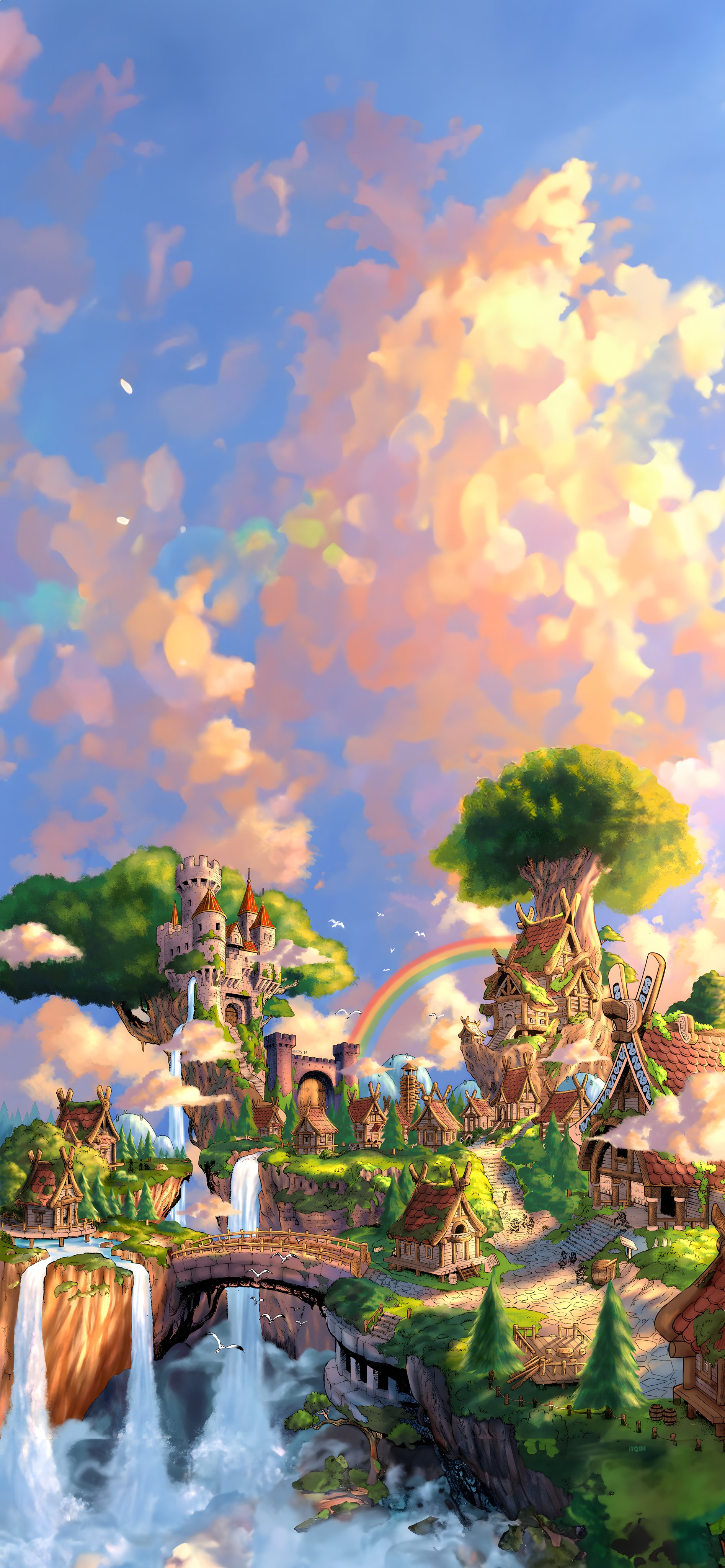
One Piece Elbaf Arc Guide (2026): Giants, Loki & Shanks
Complete guide to One Piece's Elbaf Arc. Giants' kingdom, Loki the Prince, Shanks' role, and why this is the arc fans waited 25 years for.