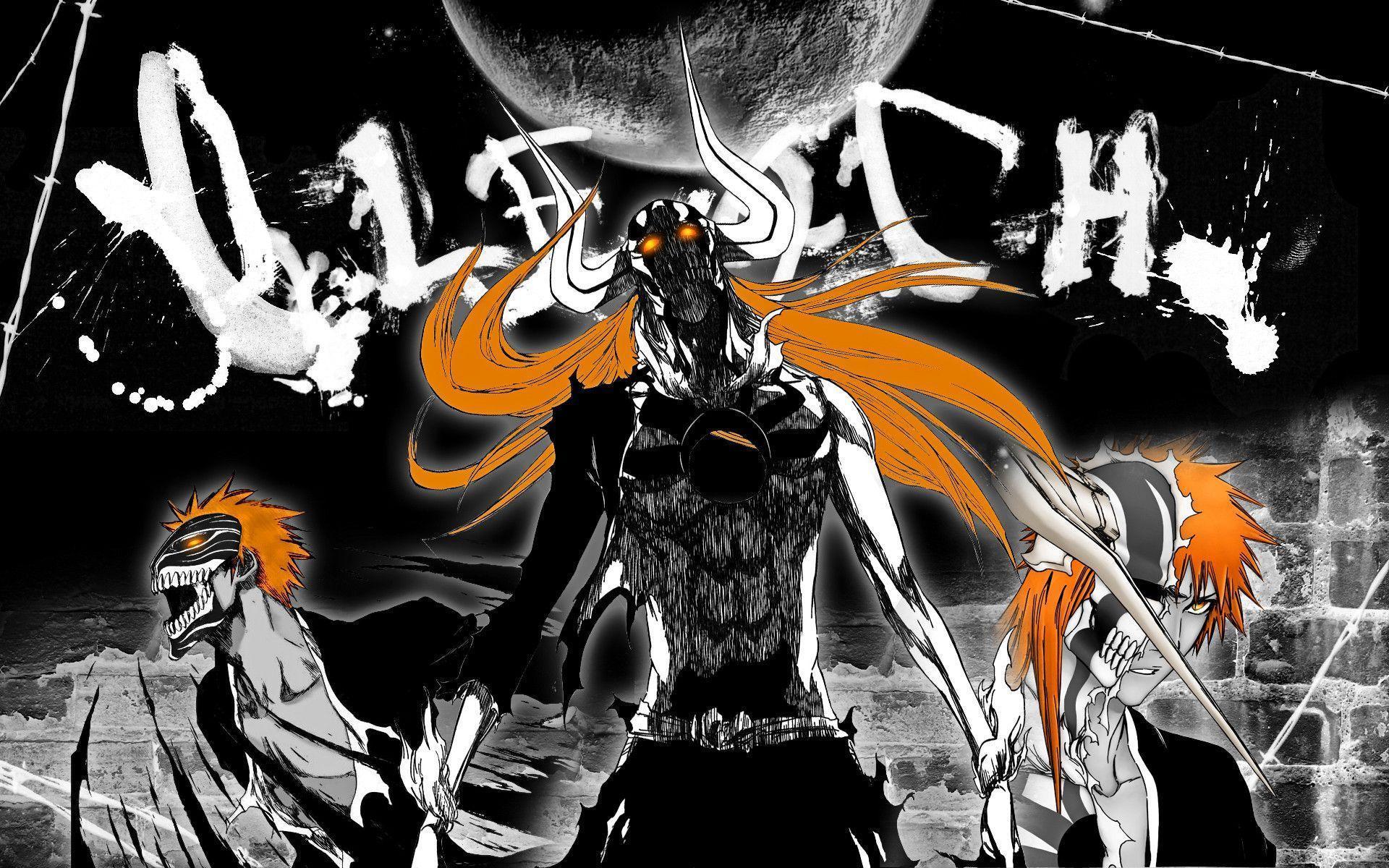
Best Bleach Arcs Ranked (2026): Top 10 Complete Guide
The definitive ranking of Bleach's best arcs from Soul Society to Thousand-Year Blood War. Every major arc scored for narrative impact, fights, and emotional payoff.
A Decade of Soul-Reaper Excellence: Understanding Bleach’s Greatest Story Arcs
Tite Kubo’s Bleach stands as one of the most influential manga series of the 21st century, and much of that legacy comes from its exceptional storytelling across multiple narrative arcs. From the moment Ichigo Kurosaki first gained his Soul Reaper powers, the series has delivered explosive action, complex character development, and world-building that expanded far beyond anyone’s initial expectations. However, not all arcs are created equal. Some arcs elevated the entire series to new heights, while others served as necessary but less impactful stepping stones in Bleach’s overall narrative.
This comprehensive guide ranks Bleach’s ten major arcs based on their narrative impact, fight choreography, emotional resonance, and lasting influence on the series. Whether you’re revisiting these stories or discovering them for the first time, understanding which arcs define Bleach’s legacy will enhance your appreciation for one of manga’s most beloved works. We’ve evaluated each arc’s contribution to character development, world-building, and the overall progression of Ichigo’s journey from substitute Soul Reaper to the hero who determined the fate of three worlds.
⚡ TL;DR — The definitive ranking of Bleach’s best arcs from Soul Society to Thousand-Year Blood War. Every major arc scored for narrative impact, fights, and emotional payoff.
Quick Reference: Bleach Arc Rankings
| Rank | Arc Name | Chapters | Setting | Key Theme |
|---|---|---|---|---|
| #1 | Thousand-Year Blood War | 480-686 | Soul Society/Hueco Mundo | War, Legacy, Truth |
| #2 | Soul Society | 55-182 | Soul Society | Betrayal, Rescue, Revelation |
| #3 | Hueco Mundo | 209-423 | Hueco Mundo | Bonds, Sacrifice, Power |
| #4 | Fake Karakura Town | 424-479 | Karakura Town | Final Battle, Aizen Defeated |
| #5 | Agent of the Shinigami | 1-54 | Karakura Town | Introduction, Origin, Discovery |
| #6 | Arrancar | 183-208 | Soul Society/Karakura | New Threats, Evolution |
| #7 | Fullbring | 480-529 | Karakura Town | Lost Powers, New Growth |
| #8 | Bount (Anime) | — | Various | Filler, Power Dynamics |
| #9 | Turn Back the Pendulum | 348-354 | Soul Society | Backstory, Legacy |
| #10 | The Lost Substitute Shinigami | 530+ | Various | Redemption, New Purpose |
#1 — Thousand-Year Blood War: The Apex of Bleach’s Storytelling
The Thousand-Year Blood War arc represents the absolute pinnacle of Bleach as a manga series. After years of buildup and countless hints dropped throughout previous arcs, Tite Kubo finally delivered the war that justified every previous story beat. This arc spans from chapter 480 onwards and brings back the Quincy race as the primary antagonists, led by the otherworldly Yhwach and his Sternritter—elite warriors each representing a letter of the alphabet and a unique power.
What makes this arc exceptional is its sheer scope and ambition. The Thousand-Year Blood War isn’t merely a continuation of previous conflicts; it’s a complete recontextualization of everything readers thought they understood about Bleach. The revelation that Yhwach’s existence and power dwarf even Aizen’s schemes creates genuine stakes for the entire cast. Every major character gets meaningful moments to shine, whether it’s Byakuya’s redemption, Renji’s power-up, or Ichigo finally understanding his true nature as a hybrid Soul Reaper-Quincy-Hollow entity.
The fights in this arc are genuinely spectacular. Ichigo versus Yhwach is portrayed as an existential battle where the fate of all three worlds hangs in the balance. The Sternritter battles showcase incredible ability matchups—Kenpachi’s battle against Unohana as they both reach new levels of power, Soifon’s tactical genius against elite opponents, and Rukia’s spiritual growth into her full potential. These aren’t just flashy exchanges but character moments that feel earned through decades of character development.
The emotional payoff of this arc cannot be overstated. Characters who seemed one-dimensional reveal layers of depth. Aizen, previously the primary antagonist, becomes a reluctant ally. The Quincy-Soul Reaper conflict explores themes of family, destiny, and whether predetermined fate can be overcome. By the arc’s conclusion, readers feel that the story has reached a genuine endpoint where Ichigo’s journey feels complete, even if questions remain.
#2 — Soul Society: Where Bleach Became Legendary
The Soul Society arc is responsible for making Bleach the phenomenon it became. Spanning chapters 55 to 182, this arc introduced readers to the vast world of Soul Reapers, Spirit Society, and the political machinations underlying the spiritual realm. When Rukia was sentenced to death and Ichigo and his friends stormed Soul Society to save her, readers were hooked for the long haul.
What makes the Soul Society arc so essential is that it established Bleach’s identity. This is where the series moved from “teenager gains supernatural powers” to “epic spiritual warfare with complex world-building.” The introduction of the Gotei 13, the various Captain-level fighters, and the revelation of Byakuya’s role as both a friend’s older brother and a powerful enemy created narrative tension that hadn’t existed before. The arc perfectly balanced personal stakes (saving Rukia) with larger world-threatening implications (a conspiracy at the highest levels of Soul Society).
The fights in Soul Society remain iconic decades later. Ichigo versus Byakuya showcased raw swordsmanship and spiritual power in ways that defined the series’ aesthetic. Kenpachi’s introduction as an overwhelming force that even Ichigo couldn’t defeat created genuine shock among readers. The revelation that Aizen, a beloved captain, was the series’ primary antagonist was a masterclass in long-term plotting. The arc also gave us Renji’s earnest character journey, Rukia’s emotional depth, and the Quincy flash-back that would later become crucial to the entire series’ mythology.
The pacing of this arc is nearly flawless. The rescue mission structure provides momentum while character interactions build stakes and emotional investment. By the arc’s conclusion, readers understood that they were invested in these characters for the long haul. Soul Society proved that Bleach could deliver on both spectacle and storytelling, making it the foundation upon which all subsequent arcs were built.
#3 — Hueco Mundo: When Bleach Became an Epic
The Hueco Mundo arc, spanning chapters 209 to 423, took everything Bleach had established and expanded it exponentially. This arc introduced readers to Hueco Mundo, the hollow realm where countless spiritually hollowed beings existed, and the Arrancar, former hollows who had achieved human-like forms and incredible power. Where Soul Society was about introducing the Soul Reaper world, Hueco Mundo was about exploring its opposite and the threats lurking within.
The character dynamics in this arc are exceptional. Orihime’s kidnapping and subsequent storyline became central, deepening her character significantly beyond the early series’ token female trope. Her interactions with Grimmjow, Ulquiorra, and eventually Ichigo created a complex emotional web that elevated her from side character to genuine protagonist. The Espada, arranged numerically with their power levels clearly defined, provided compelling enemy matchups that went far beyond simple brute strength—each Espada had unique abilities and philosophical perspectives that made them interesting opponents rather than mere fodder.
Ichigo’s development in Hueco Mundo is profound. Forced to fight hollow creatures and Arrancar while protecting his friends, Ichigo’s Hollow form becomes increasingly relevant. The reveal that Ichigo himself contains a hollow identity sets up major plot threads that would pay off in later arcs. The bonding between Ichigo and his ragtag group of human friends—Chad, Uryu, and Orihime—proves that Bleach could create compelling character relationships beyond just the Soul Reaper cast.
The arc also features some genuinely harrowing moments. Ulquiorra’s revelation about his own nature and existence creates philosophical depth. The seemingly endless Arrancar army creates a sense of overwhelming odds. By the arc’s mid-point, readers genuinely questioned whether the protagonists would survive. The arc concludes with Ichigo making difficult choices about his power and his responsibility, questions that would dominate the Fake Karakura Town arc and beyond.
#4 — Fake Karakura Town: The Aizen Confrontation
The Fake Karakura Town arc, chapters 424 to 479, represents the climax of Bleach’s first major saga. In this arc, Aizen executes his master plan, using a fake Karakura Town composed entirely of Reishi (spiritual matter) as the battleground for a final confrontation with the combined forces of the Soul Reapers. This arc is where payoffs from previous arcs collide in spectacular fashion, and where Ichigo finally confronts the truth of his origins.
The battles in this arc are arranged as a tournament-style series of one-on-one and team matches that showcase the power growth of major characters. Kyoraku versus Starrk becomes an elegant dance of abilities. Byakuya and Kenpachi’s simultaneous fights showcase their growth since earlier arcs. Most importantly, Ichigo versus Aizen represents the culmination of the protagonist’s journey to this point. The fight isn’t just about power but about ideology—Aizen’s vision of a world where strength determines all versus Ichigo’s belief in the bonds between people.
What elevates this arc beyond a simple tournament structure is its thematic weight. The revelation about Ichigo’s Quincy heritage through his mother Masaki, combined with his hollow nature and Soul Reaper status, creates a complex identity that makes him uniquely suited to challenge Aizen. The Final Getsuga Tensho represents Ichigo accepting all aspects of his nature—not denying his hollow or quincy sides but integrating them into his identity. This is character development expressed through combat and power, showing Kubo’s skill at merging action with emotional narrative.
The arc also showcases the cost of victory. Ichigo’s loss of his Soul Reaper powers, seemingly permanent, creates genuine uncertainty about the future. Characters who seemed invincible are revealed to have limits. The Soul Society must rebuild. This isn’t a clean victory but a pyrrhic triumph that leaves readers wondering what comes next.
#5 — Agent of the Shinigami: The Origin Story
The Agent of the Shinigami arc, chapters 1 to 54, is often overlooked because it’s merely the introduction, but it remains an exceptionally well-crafted origin story. This arc establishes all the core elements that would sustain Bleach for hundreds of chapters: Ichigo’s natural ability to see and interact with spirits, the introduction of Rukia and her predicament, the first hollow battles, and the discovery that Ichigo could become a Soul Reaper.
What makes this arc impressive is its economy of storytelling. Within just 54 chapters, Kubo establishes Ichigo’s character as someone fundamentally heroic—willing to fight supernatural threats to protect his friends—while introducing the supernatural systems that would define the entire series. The early hollow designs are genuinely creepy, creating horror elements that ground the series in something more than just shonen action. Rukia’s character is introduced with mystery and charm, making readers invested in her fate before we even knew why she mattered.
The pacing of this arc is nearly perfect for a shonen series. Ichigo gains his powers relatively quickly, then immediately tests them against meaningful opposition. The escalation feels natural—each hollow is progressively more threatening, pushing Ichigo to grow. By the arc’s conclusion with Rukia seemingly cured and Ichigo regaining his ability to see spirits even without Soul Reaper powers, readers understand that something fundamental has shifted in the story’s status quo.
This arc also establishes relationships that would carry the entire series. Ichigo’s bond with Rukia, his friendship with Chad and Orihime, and his complicated dynamic with Uryu are all introduced here. These relationships feel genuine and earned rather than forced, which is why readers would remain invested through seventeen years of manga.
#6 — Arrancar: The Necessary Transition
The Arrancar arc, chapters 183 to 208, is brief but significant. This transitional arc introduces the concept of Arrancar—hollows with human form and Soul Reaper-like abilities—while serving as the bridge between Soul Society and Hueco Mundo. The arc centers on the Espada’s initial invasion of the Soul Society and Ichigo’s encounters with powerful Arrancar for the first time.
The arc’s significance lies in its world-building. The Arrancar concept allows the series to raise stakes beyond the Gotei 13 by introducing opponents who combine hollow and Soul Reaper abilities. Grimmjow’s introduction is memorable, a loud, aggressive fighter who immediately establishes himself as a genuine threat. The revelation that there’s an entire arranged hierarchy of Arrancar creates a sense of scope—the Espada system’s numerical rankings provide clear power progression.
While not packed with the emotional depth of other arcs, the Arrancar arc serves its purpose admirably. It shows Ichigo adapting to new threats, demonstrates his growth since Soul Society, and creates genuine questions about the nature of the hollow-Soul Reaper distinction. The arc’s brevity actually works in its favor, maintaining momentum toward the larger Hueco Mundo conflict.
#7 — Fullbring: The Controversial Powerdown
The Fullbring arc, chapters 480 to 529, remains Bleach’s most divisive arc among fans. Forced into an unexpected hiatus after losing his Soul Reaper powers at the end of Fake Karakura Town, Ichigo must find a new path forward. This arc introduces the Fullbring, a power source derived from hollow spirituality that manifests in humans, and the mysterious organization pursuing these abilities.
The arc’s primary strength is its exploration of Ichigo as a powerless protagonist forced to rebuild. Without his Soul Reaper abilities, Ichigo must rely on training, cunning, and relationships to become powerful again. The Fullbring concept is interesting—it blurs the line between hollow and human in ways that earlier arcs didn’t explore. Watching Ichigo gain power through alternative means rather than simply growing stronger as a Soul Reaper shows narrative flexibility.
However, the arc suffers from pacing issues and tonal inconsistency. The reveal that Xcution, the Fullbring organization, has been manipulating Ichigo all along creates a sense of wasted time for readers who followed the arc week-to-week. The powerdown itself, while narratively interesting, frustrated fans who wanted to see Ichigo continue growing from the Fake Karakura Town confrontation. Despite these criticisms, the arc does provide important character development—Ichigo learns humility and learns that power isn’t everything.
#8 — Bount: The Anime-Only Experiment
The Bount arc is technically anime-only, meaning it never appeared in the original manga but was created specifically for the anime adaptation. This arc, which aired during the manga’s transition between arcs, introduces Bount—artificially created souls with human appearance and supernatural abilities. While some fans appreciate the arc’s attempt to expand Bleach’s lore, it’s largely considered filler due to its non-canon status.
The arc’s existence reflects a common issue in anime adaptations—when a manga gets ahead before the anime can follow, filler must be created to buy time. The Bount concept isn’t terrible; it introduces interesting power systems and characters. However, the arc’s lack of impact on the overall narrative, combined with its slower pacing compared to canon arcs, places it lower on this ranking. Fans watching the anime for the first time might enjoy these episodes, but they’re ultimately skippable for those reading the manga.
#9 — Turn Back the Pendulum: The Tragic Backstory
Turn Back the Pendulum, chapters 348 to 354, is a mini-arc that provides critical backstory about the Soul Society’s origins and Aizen’s past. This relatively brief arc shows the Gotei 13 over a century ago, revealing how modern captains became legends and hinting at conspiracies that would pay off later in the Thousand-Year Blood War arc.
The arc’s genius lies in its timing and revelation density. By providing flashbacks explaining Soul Reaper society’s structure and the long-simmering tensions between different factions, Kubo deepens the reader’s investment in the larger conflict. Seeing a young, idealistic Aizen before his descent into villainy creates tragic dimension to his character. The arc also reveals the role of the Royal Guard and other major plot elements that later become crucial.
While brief and technically a side story, Turn Back the Pendulum proves essential for understanding Bleach’s complete mythology. The arc demonstrates Kubo’s ability to weave historical world-building into an ongoing narrative without disrupting pacing.
#10 — The Lost Substitute Shinigami: New Beginnings
The Lost Substitute Shinigami arc, continuing from chapter 530 onwards, represents Bleach’s newest major storyline following the Thousand-Year Blood War. This arc focuses on the aftermath of the war, the restoration of balance in the three worlds, and Ichigo adjusting to his new role as a substitute Soul Reaper without formal Soul Society appointment.
The arc explores how characters adapt to peace after decades of warfare. Ichigo’s relationships deepen—particularly with Orihime, confirming romantic subtext that had simmered throughout previous arcs. The introduction of new threats and the revelation of ongoing spiritual instability creates fresh narrative tensions. While newer and still unfolding, this arc demonstrates Kubo’s continued commitment to meaningful storytelling.
Why These Rankings Matter: Narrative Impact and Legacy
These rankings reflect more than just action sequences or likability; they represent how each arc contributed to Bleach’s overall narrative architecture. The top-ranked arcs provided transformative moments—paradigm shifts that changed how readers understood the story and its characters. Soul Society revealed a hidden world. Hueco Mundo expanded that world exponentially. The Thousand-Year Blood War rewrote the entire series’ underlying mythology.
Lower-ranked arcs, while still containing excellent individual moments, either served transitional purposes or lacked the emotional and narrative punch of higher-ranked entries. The Fullbring arc had interesting themes but suffered from pacing issues. The Bount arc, while entertaining, couldn’t impact the overall narrative since it was anime-only. Each arc still has merit—Bleach rarely delivers truly bad content—but some clearly achieved greater heights than others.
Understanding arc quality also helps new readers approach Bleach strategically. Starting with Agent of the Shinigami and progressing through Soul Society creates the optimal entry point. From there, each subsequent arc builds naturally on previous revelations. Even the Fullbring arc, despite its controversial status, provides necessary character development that pays off in the Thousand-Year Blood War.
Character Growth Across Arcs
One of Bleach’s greatest strengths is how its arcs facilitate character development across massive time spans. Ichigo’s journey from a spirit-seeing high schooler to the hybrid warrior who could challenge god-like beings spans over 600 chapters, yet feels earned through each arc’s progression. Rukia evolves from a mysterious soul reaper to Ichigo’s closest companion and captain of her own division. Renji transforms from jealous rival to genuine ally with his own spiritual journey.
Supporting characters like Byakuya, Kenpachi, and Yoruichi receive arcs focused on their personal growth. Byakuya’s evolution from cold antagonist to someone capable of vulnerability represents one of anime and manga’s greatest character arcs. Kenpachi’s discovery of his zanpakuto’s true name and power represents not just combat growth but spiritual maturation. These character transformations are tied directly to arc progression, making each story beat feel meaningful.
Combat Evolution and Ability Design
Each arc introduces new abilities and refines existing combat systems. The Soul Society arc establishes bankai as the ultimate Soul Reaper technique. Hueco Mundo introduces Espada abilities that force Soul Reapers to develop new tactics. The Fake Karakura Town arc showcases mastery—characters using abilities creatively rather than relying on raw power. The Thousand-Year Blood War arc introduces the Sternritter abilities, each representing abstract concepts like “Almighty,” “Compulsion,” and “Deathdealing.”
This progression shows Kubo’s careful planning. Rather than simply making enemies stronger, each arc introduces enemies with different power systems that force the protagonist and supporting cast to adapt. A Hollow requires different tactics than an Arrancar. An Arrancar differs from an Espada. A Sternritter’s ability operates on a completely different level than previous enemies. This variety prevents combat from becoming stale despite hundreds of chapters of action.
The Importance of Emotional Stakes
Beyond combat quality, the best Bleach arcs pair action with genuine emotional weight. Soul Society’s emotional core is Rukia’s predicament—she’s not just a damsel in distress but a respected Soul Reaper facing execution due to circumstances beyond her control. Hueco Mundo’s emotional core is Orihime’s character development and her conflicted feelings toward her captors versus her loyalty to Ichigo. These emotional threads give readers reasons to care beyond cool fight choreography.
The Thousand-Year Blood War arc succeeds partly because it explores the consequences of previous arcs. Characters mourn fallen allies. The war creates moral complexities rather than simple good-versus-evil narrative. Ichigo must confront not just the enemy but his own identity and the cost of his victory. These elements transform the arc from a spectacle into something more meaningful.
Frequently Asked Questions
What is the best arc in Bleach?
The Thousand-Year Blood War arc is widely considered the best Bleach arc due to its epic scope, character development, incredible fight sequences, and the long-awaited war against the Quincy. It delivers on decades of setup and provides the climactic conclusion fans have waited for. The arc recontextualizes the entire series’ mythology while giving every major character meaningful moments to shine. From an objective standpoint, this arc achieves the highest narrative impact and emotional payoff of any Bleach arc.
Is the Soul Society arc really that good?
Yes, absolutely. The Soul Society arc is responsible for making Bleach the phenomenon it became. It established the series’ identity, introduced the vast world of Soul Reapers, and created narrative tension through Rukia’s predicament and Aizen’s conspiracy. The arc remains iconic decades later with memorable fights, excellent pacing, and character introductions that would carry the entire series. For many fans, Soul Society represents peak Bleach storytelling.
Why do fans love the Hueco Mundo arc?
Hueco Mundo deepened character relationships, particularly between Ichigo and Orihime, while introducing the complex Arrancar faction. The arc balanced epic battles with emotional character moments and expanded the Bleach universe significantly by exploring the hollow realm and its inhabitants. The Espada’s diverse abilities and philosophical depth made them compelling opponents. Many fans appreciate how the arc elevated Orihime from side character to genuine protagonist with agency and emotional depth.
Is the Fullbring arc worth reading?
The Fullbring arc has mixed reception. While it introduces the Fullbring power system and explores Ichigo’s character in interesting ways by forcing him to grow without Soul Reaper powers, many fans find it slower-paced than other arcs. It’s essential for continuity and provides character development that pays off in the Thousand-Year Blood War, but it’s not as widely beloved as higher-ranked arcs. New readers might find it challenging but rewarding; experienced fans have varying opinions.
How many major arcs does Bleach have?
Bleach has ten major story arcs spanning its manga run: Agent of the Shinigami, Soul Society, Arrancar, Hueco Mundo, Fake Karakura Town, Fullbring, Thousand-Year Blood War, and several mini-arcs like Turn Back the Pendulum and The Lost Substitute Shinigami. The anime also includes filler arcs like Bount that don’t appear in the original manga. Each arc typically spans 30-250+ chapters depending on complexity.
Explore More Bleach Content
Discover deeper dives into individual characters and story elements. Check out our guides to major Soul Reaper captains and explanations of the Bankai system. For those interested in the Quincy side of Bleach’s mythology, explore our detailed analysis of the series’ largest conflict.
Want to own these unforgettable arcs? Grab the complete Bleach manga collection and experience these epic stories at your own pace with beautiful official translations and artwork.
This article was updated in March 2026 to reflect the ongoing Thousand-Year Blood War arc completion and its critical reception. Bleach continues to prove that legacy manga can deliver meaningful stories decades into their run.
Related Articles
Best Naruto Arcs Ranked (2026): From Chunin Exams to Pain
Complete ranking of the best Naruto arcs from Chunin Exams to the Pain arc. Discover which Naruto Shippuden arcs defined the series and why they matter.
Best One Piece Arcs Ranked (2026): The Complete Guide
Discover the top 10 best One Piece arcs ranked by narrative impact. From Marineford to Wano, we break down every essential arc every fan must experience.
Berserk Manga Reading Order (2026): Complete Guide & Arcs
The complete Berserk reading order and arc guide. From Black Swordsman to Fantasia — how to read Kentaro Miura's masterpiece and what happens after his passing.