Vinland Saga Complete Guide (2026): Story, Arcs & Themes
Complete guide to Vinland Saga by Makoto Yukimura. Thorfinn's full journey, every arc from War to Slave to Eastern Expedition, themes of pacifism and redemption explained.
A Viking Epic for the Modern Age: Understanding Vinland Saga’s Masterpiece Status
Makoto Yukimura’s Vinland Saga stands as one of manga’s greatest achievements, a sweeping historical epic that explores war, trauma, redemption, and what it truly means to be a warrior. Since its debut in 2005, the series has captivated readers worldwide with its combination of historical grounding, complex character development, and thematic depth that elevates it far beyond typical action manga. Vinland Saga proves that manga can achieve literary merit equivalent to published novels while maintaining visual storytelling’s unique advantages.
The series’ premise seems straightforward—a young Viking named Thorfinn seeks revenge against the man who killed his father. However, Makoto Yukimura uses this simple premise as a framework for exploring profound questions about violence, purpose, and the possibility of redemption. As the story progresses, readers discover that the series isn’t actually about revenge but about whether revenge is worth pursuing and what life becomes when you move beyond seeking vengeance.
What distinguishes Vinland Saga from typical historical fiction is its refusal to glorify violence or war. Even as it depicts the Viking Age with vivid detail, the series constantly questions the moral implications of the violence it depicts. Characters who seem heroic reveal themselves as traumatized by the actions they’ve committed. The series examines long-term psychological consequences of violence in ways that most manga avoid.
⚡ TL;DR — Complete guide to Vinland Saga by Makoto Yukimura. Thorfinn’s full journey, every arc from War to Slave to Eastern Expedition, themes of pacifism and redemption explained.
Quick Reference: Vinland Saga Essentials
| Element | Details |
|---|---|
| Creator | Makoto Yukimura |
| Original Magazine | Afternoon (monthly seinen magazine) |
| Current Status | Ongoing (157+ chapters) |
| Story Timeline | Viking Age (roughly 900-1000 CE) |
| Protagonist | Thorfinn, Viking warrior |
| Major Arcs | 4+ major story arcs |
| Core Theme | War, pacifism, redemption, trauma |
| Anime Status | Seasons 1-2 aired, more planned |
| Target Demographic | Seinen (young adults) |
The World of Vinland Saga: The Viking Age Reimagined
Vinland Saga is set during the Viking Age, a historical period known for Norse exploration, raids, and warfare. The series uses this historical setting authentically—characters speak of actual historical figures like King Canute and William the Conqueror. The politics, technology, and social structures reflect genuine Viking Age conditions. However, the series makes no pretense of documentary accuracy—fictional characters are woven into historical events, creating an alternate history that uses factual grounding to enhance the fictional narrative.
The world feels lived-in and real. Yukimura’s research is evident in detailed depictions of Viking life—the construction of ships, the conduct of warfare, the social hierarchies of the period. Characters discuss navigation, geography, and survival in ways that feel authentic. This historical detail provides weight to the fictional narrative, making readers invested in a world that feels genuinely possible.
The series explores multiple geographical regions—Denmark, England, Norway, Constantinople, and the fictional Vinland. Each location has distinct characteristics and cultures that characters must navigate. The epic scale of the series is partly achieved through this geographical expansion. Thorfinn’s journey takes him across continents and through decades, suggesting that his personal transformation requires experiencing different worlds and perspectives.
Character Development: Thorfinn’s Evolution
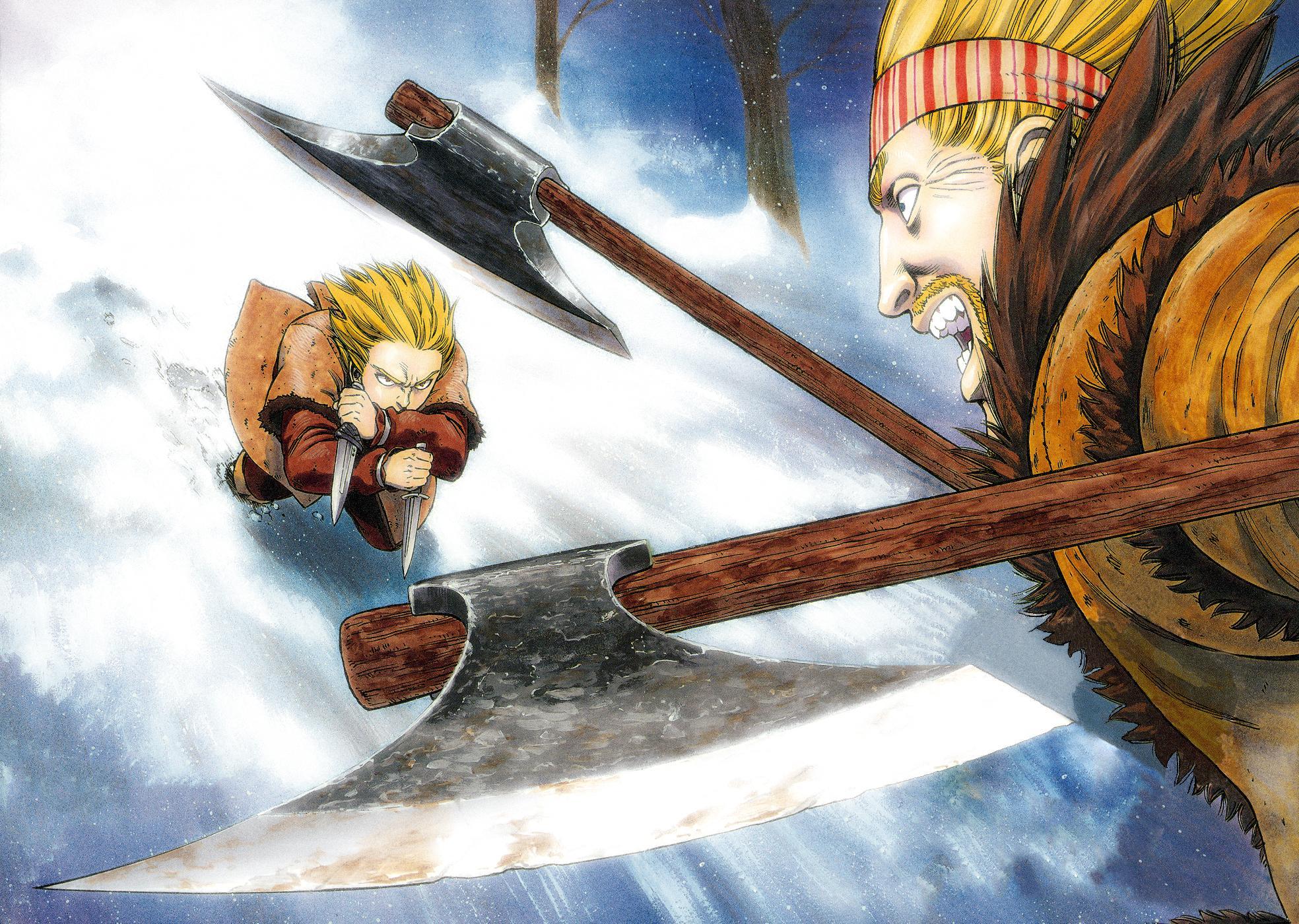
Thorfinn begins as a hardened warrior, a child trained to kill by warfare and trauma. He joins Askeladd’s mercenary band seeking opportunities for revenge. This young Thorfinn is ruthless, willing to commit any atrocity to achieve his goal. He seems like a typical shonen protagonist—strong, determined, willing to overcome obstacles through sheer force of will.
However, the series gradually reveals Thorfinn’s true nature beneath his warrior exterior. Beneath the hardness is a traumatized child still dealing with his father’s death. His quest for revenge masks deeper pain about loss and powerlessness. As the series progresses, Thorfinn gradually discovers that no amount of revenge will heal his psychological wounds. Killing his father’s murderer won’t restore what was lost.
The turning point occurs relatively early in the narrative when Thorfinn achieves his long-sought revenge. Rather than finding peace, he discovers that revenge brings only emptiness. This revelation forces him to reconsider his entire purpose and identity. If revenge isn’t his goal, who is Thorfinn? What should his life be about? These questions drive the series’ second half.
Thorfinn’s transformation from vengeful warrior to someone seeking peace represents the series’ thematic core. He doesn’t simply become peaceful—the change is gradual, painful, and complicated. For much of the series, Thorfinn struggles with his violent nature even as he intellectually understands that violence perpetuates cycles of harm. His character arc explores whether people can fundamentally change their nature or whether we’re eternally shaped by trauma.
Arc 1: Prologue Arc (Chapters 1-4)
The Prologue arc introduces Thorfinn’s father Thors, a legendary warrior living peacefully despite his past. Young Thorfinn watches his father protect their village despite swearing never to fight again. The tragedy that occurs creates Thorfinn’s entire motivation. By the arc’s conclusion, readers understand what Thorfinn has lost and why revenge seems like his only path forward.
This brief arc establishes themes that reverberate throughout the series. Thors represents what Thorfinn could become—a warrior who has found peace. His death challenges the possibility of redemption. The arc also introduces Askeladd, a character whose relationship with Thorfinn becomes central to the series.
Arc 2: War Arc (Chapters 5-54) — The Viking Conquest
The War arc comprises the first major saga, following Thorfinn as he joins Askeladd’s mercenary band during the Viking invasion and conquest of England. This arc contains the series’ most action-focused storytelling, with extended battle sequences and warfare tactics. However, even amidst the action, Yukimura maintains character focus.
This arc’s genius is showing how individual soldiers experience warfare. Rather than glorifying conquest, the series depicts the horror of warfare from multiple perspectives. Soldiers die meaninglessly. Villages are devastated. The political machinations of rulers matter little to those suffering consequences. The arc explores how warfare transforms people—promising soldiers become hardened killers, idealistic youths become cynical and broken.
Askeladd emerges as one of the series’ most complex characters. He’s a mercenary with mysterious motivations, deeply connected to Thorfinn’s past in ways the protagonist doesn’t understand. Their relationship evolves throughout the arc in ways that complicate Thorfinn’s sense of purpose.
The War arc concludes with major revelations about Askeladd’s nature and his connection to Thorfinn. These revelations set up the series’ emotional climax and force Thorfinn to reconsider what revenge actually means.
Arc 3: Slave Arc (Chapters 55-100) — Thorfinn’s Transformation
Following his achievement of revenge, Thorfinn finds himself adrift. His reason for existing—killing Askeladd—no longer provides purpose. The Slave arc begins with Thorfinn enslaved, stripped of his identity as a warrior. As a slave, he must reckon with his past actions, the trauma he’s inflicted on others, and the possibility of becoming something different.
This arc represents the series’ emotional center. Stripped of ability to fight, Thorfinn must confront himself psychologically. Working for a slave master, he gradually learns humility and begins understanding the suffering he’s caused. The arc explores whether trauma and violence can be transformed into something more positive—whether people can genuinely change if they commit to that change.
The relationships Thorfinn forms during slavery become transformative. Other slaves, masters, and figures he encounters each contribute to his understanding of himself. The arc shows Thorfinn learning to see others as full human beings worthy of compassion rather than obstacles to overcome or enemies to kill.
Arc 4: Eastern Expedition Arc (Chapters 101+) — Seeking Vinland
The Eastern Expedition arc continues the ongoing narrative as Thorfinn and companions travel toward Vinland, the legendary peaceful land of Norse mythology. This arc balances exploration and adventure with continued character development and thematic exploration.
The arc maintains the series’ commitment to historical detail while exploring the human elements of exploration. Characters must overcome natural obstacles, cultural differences, and their own psychological limitations. The journey becomes both literal and metaphorical—physically traveling toward Vinland while spiritually moving toward redemption and peace.
Supporting Characters: The Human Foundation
Askeladd is one of manga’s greatest characters. Initially seeming like a simple mercenary antagonist, he reveals himself as someone with deep historical connections to Thorfinn, complex motivations, and unexpected compassion. His character arc—though shorter than Thorfinn’s—achieves profound depth through carefully revealed backstory and psychological complexity.
Canute begins as a Viking prince obsessed with conquest and legacy. His journey toward understanding that conquest brings only emptiness parallels Thorfinn’s transformation. The relationship between these two characters explores whether different people can reach similar spiritual conclusions despite different starting points.
Einar joins Thorfinn’s journey during the slave arc. His friendship with Thorfinn becomes emotionally central—Einar represents the possibility of genuine human connection after suffering. Their bond shows Thorfinn that life can contain meaning beyond revenge or conquest.
Yukimura creates numerous supporting characters who elevate the narrative through brief but meaningful appearances. Warriors, slaves, merchants, and civilians all contribute to the series’ exploration of how war affects different people. The series’ human depth comes from portraying even minor characters with genuine interiority and agency.
Themes That Elevate Vinland Saga to Literary Status
Vinland Saga’s exploration of violence stands among manga’s finest examinations of this theme. Rather than glorifying warrior strength, the series constantly questions what violence accomplishes. Characters who’ve killed hundreds feel empty rather than fulfilled. Warriors discover their strength doesn’t protect them from emotional devastation. The series suggests that physical prowess doesn’t correlate with meaningful happiness.
The theme of redemption becomes increasingly central. Can people who’ve committed atrocities achieve redemption? The series doesn’t offer easy answers. Thorfinn doesn’t receive instant forgiveness for his actions—he must live with consequences of his violence while attempting to become someone different. The series treats redemption as difficult, incomplete, and something that must be continually worked toward.
Pacifism represents another crucial theme. While the series doesn’t advocate simple pacifism, it explores what peace requires and whether achieving peace demands fundamental transformation. Characters discover that choosing non-violence isn’t weakness but rather a different form of strength—the strength to not respond to violence with violence despite capability to do so.
The search for meaning becomes universal across characters. Why do we fight? What makes our lives worth living? As the series progresses, characters discover that empire building and conquest provide no genuine satisfaction. Instead, meaning comes from relationships, growth, and contributing to others’ wellbeing.
Historical Accuracy and Fictional Storytelling
Vinland Saga uses history as a foundation while prioritizing narrative quality. Historical events like King Canute’s actual reign provide context, but fictional characters and events take center stage. Thorfinn is entirely fictional, yet his story feels authentic within the historical setting.
Yukimura researched Viking history thoroughly, evident in accurate details about ships, warfare, geography, and cultural elements. This historical grounding makes the fictional narrative feel more authentic. Readers trust the world because it’s researched carefully. This trust allows the emotional and philosophical explorations to have greater impact.
The series occasionally plays with historical mythology. Vinland itself is based on genuine Norse legends and historical accounts suggesting Vikings reached North America. By the series’ logic, Vinland isn’t merely legend but something possible—a real place seeking worthy travelers. This balancing of history and mythology allows the narrative to explore both factual and spiritual dimensions.
Manga vs Anime: Comparing Adaptations
The Vinland Saga anime adaptation (produced by WIT Studio, later MAPPA) is visually stunning and critically acclaimed. The anime captures the manga’s emotional depth while adding animation quality, voice acting, and musical scoring. Season 1 covered the War arc, Season 2 covered the Slave arc, with more seasons announced.
The anime’s pacing differs from the manga’s monthly publication. Anime viewers experience chapters more rapidly, affecting emotional impact. The manga’s slower publication allows readers time to process events between chapters. Both formats have distinct advantages—the anime’s visual beauty versus the manga’s opportunity for deeper introspection.
New readers can start with either. The anime provides accessible introduction with visual spectacle. The manga offers complete narrative and greater detail. Many fans have experienced both and appreciate each format’s unique strengths.
Why Vinland Saga Matters: Influence and Legacy
Vinland Saga proves that historical fiction manga can achieve literary merit equivalent to published novels. The series influenced subsequent historical manga and anime, encouraging creators to explore complex themes within historical frameworks. Series like Wit Studio’s adaptations and recent historical manga owe intellectual debts to Vinland Saga’s ambitious scope.
The series also demonstrated that pacifism could be a viable thematic exploration in shonen-influenced manga. By making Thorfinn’s journey toward peace the narrative core rather than a side concern, Yukimura created space for more thoughtful explorations of violence and its costs.
Frequently Asked Questions
What is Vinland Saga about?
Vinland Saga follows Thorfinn, a Viking warrior seeking revenge against the man who killed his father. The series explores his journey from merciless warrior to someone seeking peace. It examines themes of war, trauma, redemption, and what it means to be a true warrior through Viking history and mythology.
Is Vinland Saga historically accurate?
Vinland Saga blends historical events with fictional storytelling. The Viking Age setting, character archetypes, and cultural details are grounded in historical fact, but specific characters and plot events are fictional. Makoto Yukimura uses history as a framework to tell character-driven stories rather than presenting strictly documentary accounts.
Do I need to watch the anime or read the manga?
Both are excellent. The anime adaptation (particularly season 2) is visually stunning and captures the manga’s emotional depth. The manga provides complete narrative through later arcs and greater detail. New readers can start with either—the anime offers beautiful introduction, while the manga contains the full story.
What is Vinland in Vinland Saga?
Vinland is the legendary Norse land in North America, representing a land of peace and redemption in the series’ mythology. Thorfinn seeks Vinland not as a conquest destination but as a place where he can escape violence and start anew. Vinland becomes a metaphor for spiritual redemption rather than just a geographical location.
Does Thorfinn succeed in his revenge?
Thorfinn’s revenge story develops into something far more complex than simple vengeance. Without spoiling specific events, the series explores whether revenge actually brings peace or merely perpetuates cycles of violence. Thorfinn’s ultimate journey becomes about breaking free from revenge rather than accomplishing it.
Begin Your Vinland Saga Journey
Experience one of manga’s greatest epics. Start with Vinland Saga and follow Thorfinn’s transformative journey from warrior to seeker of peace.
For deeper analysis of character development and thematic exploration, discover additional Vinland Saga content on Mangaka.online.
Updated March 2026: Vinland Saga continues as an ongoing series with new chapters regularly published. The anime adaptation continues with additional seasons in development.
Related Articles
Frieren: Beyond Journey's End Complete Guide (2026)
Complete guide to Frieren: Beyond Journey's End. Story summary, characters, magic system, manga vs anime comparison, and why this contemplative fantasy is a modern masterpiece.
Berserk Manga Reading Order (2026): Complete Guide & Arcs
The complete Berserk reading order and arc guide. From Black Swordsman to Fantasia — how to read Kentaro Miura's masterpiece and what happens after his passing.
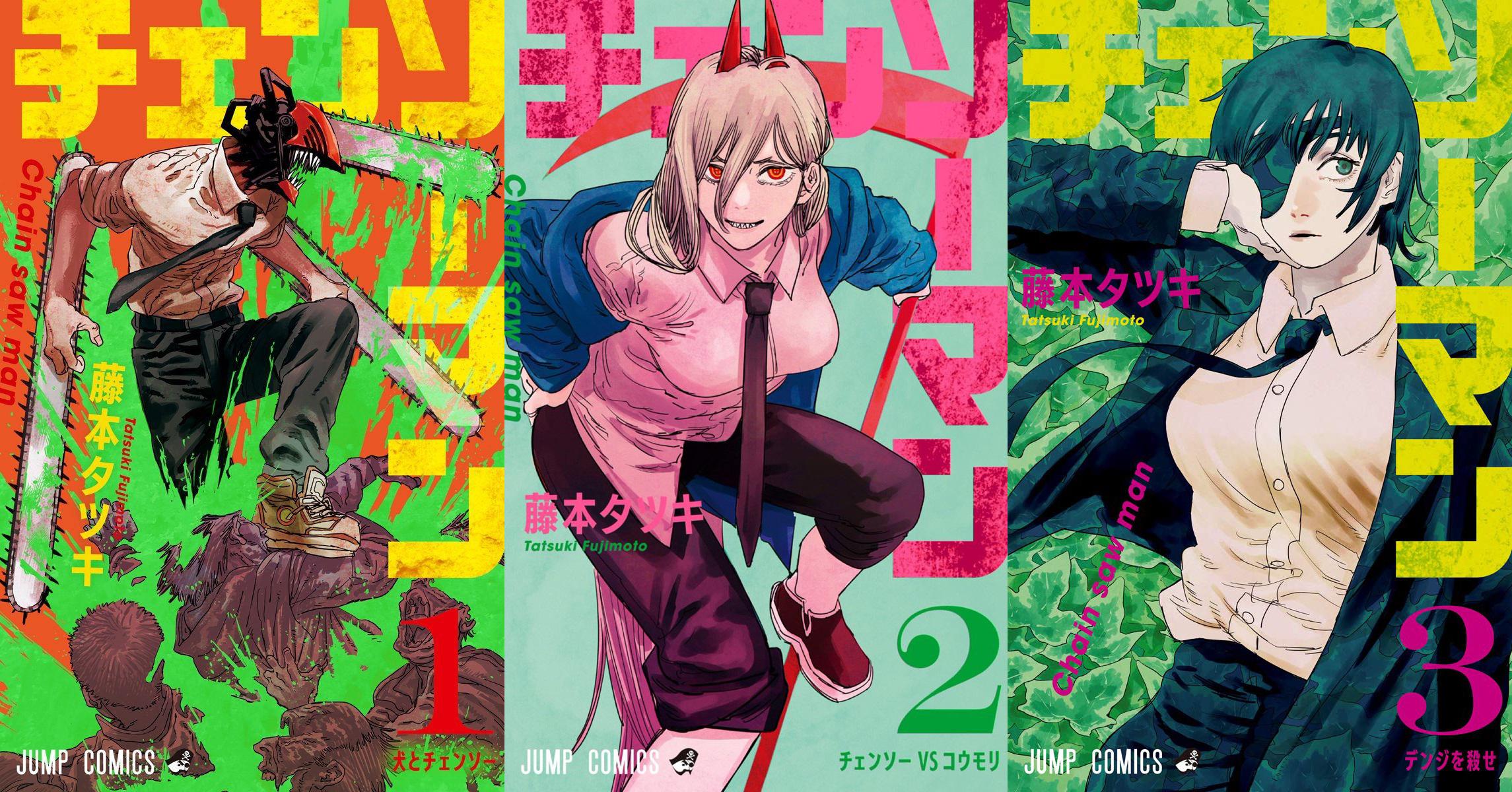
Chainsaw Man Complete Guide: Manga, Story & Characters (2026)
The complete Chainsaw Man guide covering the manga's story, characters, themes, and why Tatsuki Fujimoto's dark shonen masterpiece is revolutionary. Everything you need to know about Denji, Power, Makima, and Part 2.