Best Demon Slayer Characters Ranked (2026): The Ultimate List
Ranking the best Demon Slayer characters from Tanjiro to Kokushibo. Who made our top 10 list of the most iconic Kimetsu no Yaiba characters?
Demon Slayer’s Greatest Souls: A Celebration of Unforgettable Characters
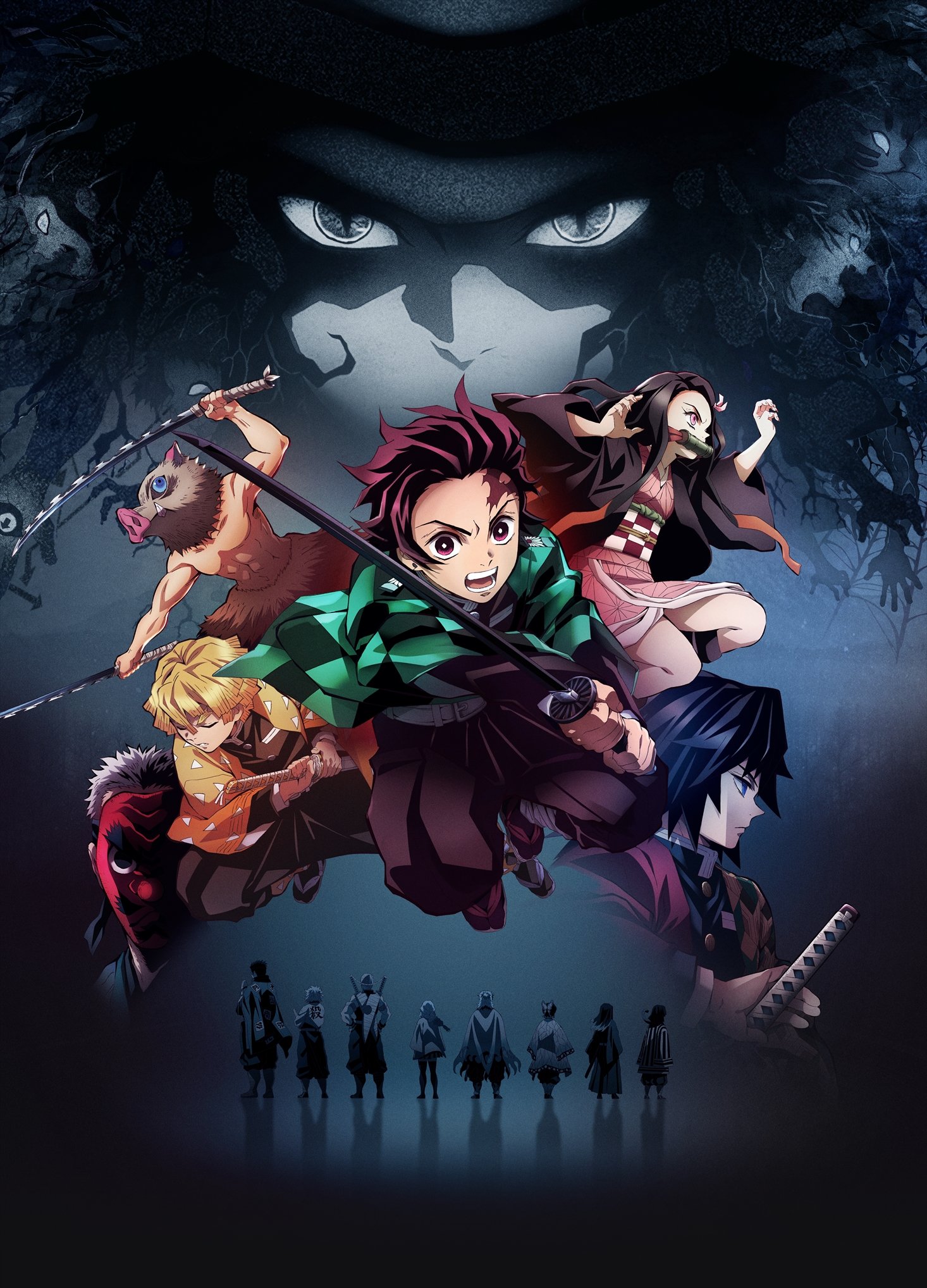
Kimetsu no Yaiba stands as one of the most beloved shonen manga series of the past decade, not just for its explosive action sequences or stunning animation adaptation, but for the extraordinary depth of its character roster. From the determined protagonist who refuses to abandon his humanity to the tragic demons who blur the lines between good and evil, Demon Slayer has created a universe filled with souls that resonate deeply with readers and viewers worldwide.
The beauty of Tatsuki Inoue’s creation lies in how each character—whether they live for five chapters or five hundred—feels meaningful. The Hashira carry the weight of their responsibilities with invisible burdens. The supporting cast evolves from comic relief into essential pillars of the narrative. Even demons receive the gift of sympathetic backstories that force us to question what true evil means. This ranking celebrates not just the strongest warriors, but the characters who fundamentally shaped Demon Slayer’s legacy and won the hearts of millions.
Quick Stats: Your Demon Slayer Reference Table
| Character | Role | Breathing Style | Status |
|---|---|---|---|
| Tanjiro Kamado | Protagonist | Water & Sun Breathing | Alive |
| Rengoku Kyojuro | Flame Hashira | Flame Breathing | Deceased |
| Kokushibo | Upper Moon One | Moon Breathing | Deceased |
| Yoriichi Tsugikuni | First Swordsman | Sun Breathing | Deceased |
| Giyu Tomioka | Water Hashira | Water Breathing | Alive |
| Muzan Kibutsuji | Demon King | N/A | Deceased |
| Nezuko Kamado | Tanjiro’s Sister | Blood Demon Art | Alive (Human) |
| Akaza | Upper Moon Three | Destructive Death | Deceased |
| Shinobu Kocho | Insect Hashira | Insect Breathing | Deceased |
| Gyomei Himejima | Stone Hashira | Stone Breathing | Deceased |
Top 5 At a Glance
1. Yoriichi Tsugikuni — The legendary first swordsman and creator of Sun Breathing. Yoriichi represents the pinnacle of what a swordsman can achieve, defeating demons with movements so precise that even Kokushibo could never match him.
2. Tanjiro Kamado — The emotional heart of the entire series. Tanjiro’s refusal to abandon his values despite horrific circumstances defines him as a true hero, and his mastery of both Water and Sun Breathing makes him one of the most powerful characters.
3. Kokushibo — Upper Moon One and Yoriichi’s brother. Kokushibo embodies the tragedy of the series—a powerful warrior forever cursed to live in his brother’s shadow, making him simultaneously a villain and a victim.
4. Rengoku Kyojuro — The Flame Hashira whose death changed everything. Rengoku’s sacrifice on the Mugen Train proved that even the strongest could fall, elevating the stakes and elevating his status in fans’ hearts.
5. Gyomei Himejima — The Stone Hashira and arguably the strongest Hashira among the current generation. Despite his blindness, Gyomei’s spiritual and physical prowess make him a force that even Upper Moons fear.
The Complete Ranking: All 20 Demon Slayer Characters
1. Yoriichi Tsugikuni — The God of the Sword
Yoriichi Tsugikuni stands alone at the apex of Demon Slayer power, representing the absolute limit of what a human warrior can achieve. As the creator of Sun Breathing—the first and most perfect breathing form—Yoriichi singlehandedly drove demons to near extinction during his lifetime. Even centuries later, the mere memory of him haunts Kokushibo and shapes the entire trajectory of the demon world.
What makes Yoriichi legendary isn’t just his combat ability, but his purity of purpose. He fought to protect humanity and his loved ones, never wavering in his conviction. His swordsmanship reached such a level that he could perceive and execute thousands of micro-movements within seconds, making him essentially untouchable to any opponent. The tragedy of his story—living in poverty and obscurity despite his godlike power—adds a poignant layer to his character.
Why he ranks #1: Yoriichi is objectively the strongest being in Demon Slayer history. No other character comes close to his power level, and his influence transcends time itself.
2. Tanjiro Kamado — The Protagonist Who Never Compromised
Tanjiro’s journey from charcoal merchant’s son to swordmaster represents the heart and soul of Demon Slayer. What separates Tanjiro from typical shonen protagonists is his unflinching commitment to preserving his humanity even when he becomes a demon himself. He could have embraced the demonic power offered to him; instead, he fought to retain his soul.
His mastery of both Water Breathing and Sun Breathing showcases his adaptability and determination to grow beyond his limitations. More importantly, Tanjiro’s interactions with demons—trying to understand them, sometimes showing them mercy—demonstrate a moral complexity rare in shonen heroes. His bond with Nezuko drives the entire narrative, and by the series’ end, their connection becomes almost supernatural in its strength.
Why he ranks #2: Tanjiro embodies everything Demon Slayer stands for. His power is formidable, but his character—his unwillingness to become a monster despite every reason to—is what truly makes him extraordinary.
3. Kokushibo — The Fallen Legend
Upper Moon One is perhaps Demon Slayer’s most tragic villain. Once Yoriichi’s younger brother, Kokushibo has spent centuries in Muzan’s service, forever haunted by his failure to match his brother’s genius. This fundamental inadequacy defines his entire existence, making him sympathetic even as he commits horrific acts.
Kokushibo’s Moon Breathing, derived from Sun Breathing, demonstrates his incredible talent—he essentially created a new breathing form. Yet no matter his accomplishments, the shadow of Yoriichi looms over everything he does. His encounter with Tanjiro and the Hashira becomes not just a battle, but a psychological reckoning with his wasted potential and consumed centuries. Kokushibo’s death is cathartic precisely because we understand his pain.
Why he ranks #3: As a villain, Kokushibo is unmatched in depth. He’s stronger than most heroes but defined by his tragic flaw—forever chasing a shadow.
4. Rengoku Kyojuro — The Undying Flame
The Flame Hashira holds a special place in fans’ hearts not because he’s the strongest, but because his death meant something. Rengoku’s final battle on the Mugen Train against Akaza raised the stakes for the entire series; suddenly, we understood that even Hashira could fall. His determination to fulfill his duty while literally burning from the inside showcased a warrior’s pure spirit.
Rengoku’s character is defined by his commitment to duty and honor. Every action he takes is guided by his understanding of what a Hashira should be. His smile in his final moments—finding peace in knowing he protected civilians—elevates him beyond mere warrior to moral paragon. In death, Rengoku became more important than many characters in life, inspiring the next generation through his legacy.
Why he ranks #4: Rengoku’s impact on the narrative and fandom cannot be overstated. His death was the turning point that transformed Demon Slayer from adventure to genuine threat.
5. Gyomei Himejima — The Stone Pillar
The Stone Hashira is arguably the strongest Hashira among the current generation, and the fact that he achieves this despite being blind makes his feat even more remarkable. Gyomei’s unique physical prowess, combined with his spiritual awakening and emotional depth, make him a complete warrior in every sense.
Gyomei’s introduction as the largest and most intimidating Hashira subverts expectations when readers learn his blindness—a “weakness” he’s transformed into an advantage through his Breathing Style and spiritual awareness. His development from a simple, emotionally transparent character into someone of profound complexity enriches the Hashira dynamics significantly.
Why he ranks #5: Gyomei represents the pinnacle of current-generation strength. His combination of physical power, technique, and spiritual depth makes him nearly untouchable.
6. Giyu Tomioka — The Water Hashira’s Burden
Giyu’s introduction saving Tanjiro and Nezuko in chapter one establishes him as the pivot point of the entire story. The Water Hashira carries invisible emotional weight throughout the series—his isolation, his questioning of his own strength, and his ultimate acceptance of his role. Giyu’s mastery of Water Breathing and his development of the Water Breathing Eleventh Form showcase both his power and creativity.
What makes Giyu compelling is how he slowly reveals his humanity beneath the cold exterior. His friendship with the other Hashira, his internal struggles, and his final determination during the Muzan fight all contribute to his growth. By series’ end, Giyu transforms from a mysterious figure into a fully realized character readers genuinely care about.
Why he ranks #6: Giyu’s importance to the narrative cannot be overstated, and his character development arc is subtle but deeply satisfying.
7. Muzan Kibutsuji — The Demon King
Muzan serves as the ultimate antagonist, and his characterization as an increasingly desperate being hunting immortality raises questions about the nature of his evil. For over a thousand years, Muzan has manipulated the demon world, creating a strict hierarchy and binding his creations to his will through fear. His obsession with becoming truly perfect—finding the Blue Spider Lily and consuming Nezuko—drives the entire final arc.
What’s fascinating about Muzan is that despite his godlike power and millenia of existence, he remains fundamentally insecure. He fears Yoriichi even in death, and his inability to adapt beyond his obsessions ultimately becomes his downfall. Muzan is a villain defined by his limitations despite his tremendous power.
Why he ranks #7: As the final antagonist, Muzan’s influence extends across the entire narrative, even if his actual characterization doesn’t reach the depths of other characters.
8. Nezuko Kamado — The Most Precious Demon
Tanjiro’s younger sister transcends her role as “the goal to protect” through her unique nature as a demon who retains her humanity. Nezuko’s existence challenges everything the Demon Slayer corps believes, and her continued development despite not speaking creates an interesting dynamic. Her Blood Demon Art—Exploding Blood—becomes increasingly relevant as her demon nature awakens.
Nezuko’s value lies not in her raw power, but in what she represents: redemption, humanity, and the possibility of coexistence. Her demon form during the Infinity Castle arc shows readers what she could become if she fully embraced her demonic nature, making her continued choice to remain human all the more meaningful.
Why she ranks #8: Nezuko’s special nature and role in the climactic battle, combined with her symbolic importance, warrant her placement among the top tier despite not being an active fighter for much of the series.
9. Akaza — The Upper Moon’s Tragedy
Upper Moon Three is a formidable fighter whose hand-to-hand combat prowess nearly matches some Hashira in pure strength. Yet Akaza is defined not by his power, but by his tragic backstory and his strange honor code that prevents him from fighting women. His attachment to his human past—his relationship with Koyuki—anchors his character in emotional reality.
Akaza’s death at Rengoku’s hands becomes transformative for the Flame Hashira and for the narrative itself. His willingness to acknowledge Rengoku’s strength, even in defeat, showcases a warrior’s respect for worthy opponents. Akaza proves that demons can retain fragments of humanity, complicating the binary morality of the series.
Why he ranks #9: Akaza’s combination of power and emotional depth, plus his pivotal role in establishing the series’ high stakes, place him solidly in the top tier.
10. Shinobu Kocho — The Insect Hashira’s Intelligence
The Insect Hashira compensates for her lack of raw strength with incredible intelligence and unconventional fighting methods. Shinobu’s poison-based approach to combat represents the Demon Slayer corps’ adaptability—not everyone can be a brute force warrior. Her cheerful demeanor masks deep trauma and an obsession with avenging her sister against Douma.
Shinobu’s development of powerful poisons, her ability to move with impossible speed, and her strategic thinking make her invaluable despite her lower physical strength. Her character arc exploring the cost of obsession and revenge, culminating in her sacrifice, elevates her beyond a mere support character.
Why she ranks #10: Shinobu’s combination of intelligence, emotional depth, and unconventional strength make her one of the most well-rounded characters in the series.
11. Sanemi Shinazugawa — The Wind Hashira’s Rage
The Wind Hashira’s aggressive, abrasive personality masks deep insecurity and protective instincts honed through tragedy. Sanemi’s relationship with his brother Genya and his journey to understanding himself form the emotional core of his character arc. His mastery of Wind Breathing and his relentless combat style make him one of the most dangerous fighters.
Sanemi’s character proves that strength comes in different forms—his ability to withstand incredible damage and keep fighting represents a different kind of power than pure technique. His growth from someone seeking only revenge to someone capable of genuine connection showcases excellent character development.
Why he ranks #11: Sanemi’s power level is high, but his characterization and emotional arc place him among the most compelling Hashira.
12. Inosuke Hashibira — The Beast Warrior
Raised by boars and initially a rival to Tanjiro, Inosuke’s journey from violent competitor to genuine friend represents some of the series’ best character growth. His unique Beast Breathing style, derived from his upbringing, showcases how unconventional training can produce formidable warriors. Inosuke’s two-sword style and aggressive tactics make him incredibly dangerous in combat.
What makes Inosuke special is how the series gradually reveals his insecurity beneath his bravado. His mask (quite literally) represents his emotional walls, and watching him lower those walls provides genuine emotional satisfaction. By series’ end, Inosuke’s loyalty and growth make him far more than comic relief.
Why he ranks #12: Inosuke’s power and character development create a compelling package that fans love. His versatility and growth trajectory are impressive.
13. Zenitsu Agatsuma — The Thunder Prodigy
At first glance, Zenitsu seems like pure comic relief—a cowardly womanizer who faints at danger. Yet his mastery of Thunder Breathing’s first form, achieved through relentless training despite his natural weakness, showcases incredible determination. Zenitsu’s sleeping combat state reveals an alternate personality of pure confidence and skill.
Zenitsu’s character arc involves gradually accepting his own strength and building genuine confidence rather than relying on his alternate persona. His development of Thunder Breathing’s seventh form during the series demonstrates continued growth. Most importantly, Zenitsu’s loyalty to his friends, despite his cowardice, defines his character beyond combat prowess.
Why he ranks #13: Zenitsu’s power growth, his unique fighting style, and his excellent character development warrant higher ranking than many expect.
14. Tengen Uzui — The Sound Hashira
The Sound Hashira brings flashiness and unconventional tactics to the Hashira roster. Tengen’s Musical Score—his ability to perceive vibrations and construct a detailed spatial map—showcases incredible technique. His role in the Entertainment District arc and his willingness to sacrifice his arm to protect civilians demonstrate his strength beyond raw power.
Tengen’s character is defined by his theatrical personality, his genuinely loving relationships with his wives, and his pragmatic approach to being a Hashira. His voluntary retirement after losing an arm shows wisdom that few characters possess—knowing when to step back and live rather than continue pushing himself.
Why he ranks #14: Tengen’s power level is high, and his character provides important comic relief without sacrificing competence.
15. Douma — The Hateable Villain
Upper Moon Two is positioned as the opposite of Akaza—cold, calculating, and genuinely monstrous despite his beautiful appearance. Douma’s philosophy of eating beautiful women and storing their beauty inside himself represents a twisted version of appreciation that horrifies readers. His consumption of Shinobu and subsequent battle with Kanao creates one of the series’ most emotionally charged fights.
What makes Douma effective as a villain is that he has no redeeming tragedy—he’s just genuinely evil, genuinely selfish, and genuinely dangerous. His power is immense, his techniques devastating, and his death feels earned through justice rather than tragedy.
Why he ranks #15: Douma’s role as a purely evil antagonist, his incredible power, and his impact on the emotional narrative warrant his placement.
16. Daki & Gyutaro — The Sibling Bond in Darkness
The Entertainment District arc’s primary antagonists deserve ranking together because their story is fundamentally about their bond. Daki’s popularity among demons masks her complete dependence on her brother Gyutaro, whose love for her transcends death itself. Their tragic backstory—both killed in circumstances beyond their control, surviving only through demonic resurrection—creates genuine sympathy despite their monstrosity.
Their power as a duo is significant, and Gyutaro’s ability to emerge from Daki’s body during combat creates exciting tactical challenges. Their death scene is remarkably touching, showcasing that even demons can value love above survival.
Why they rank #16: Their joint ranking reflects their shared story and importance to the narrative, despite neither being individually as powerful as higher-ranked characters.
17. Mitsuri Kanroji — The Love Hashira’s Heartfelt Strength
Mitsuri’s unique Love Breathing and her role in multiple major arcs establish her as a significant character despite her later introduction. Her particular sword style, derived from whip techniques, showcases creativity and power. Mitsuri’s character arc exploring her search for love while becoming increasingly self-sufficient provides both comedy and genuine development.
Her participation in final battles and her emotional journey regarding Obanai create compelling character dynamics. Mitsuri proves that Hashira represent diverse approaches to strength rather than identical warrior archetypes.
Why she ranks #17: Mitsuri’s power level is respectable, and her character development and unique style warrant her placement.
18. Obanai Iguro — The Serpent Hashira’s Devotion
The Serpent Hashira’s mastery of flexible sword techniques and his unique partnership with Kaburamaru (his serpent) showcase unconventional approaches to Breathing Styles. Obanai’s quiet, loyal personality masks deep emotional capacity, particularly regarding his feelings for Mitsuri. His tragic backstory involving the Biwa demon humanizes him deeply.
Obanai’s development throughout the series involves gradually opening himself emotionally while maintaining his competence in battle. His willingness to sacrifice himself during the final battle demonstrates his growth from isolation to genuine connection.
Why he ranks #18: Obanai’s power and characterization place him solidly among important characters despite limited initial screen time.
19. Kanao Tsuyuri — The Strategist’s Growth
Kanao’s journey from emotionally numb assassin to person capable of genuine decision-making and love represents significant character growth. Her unique Flower Breathing technique and her combat abilities against major demons establish her power credentials. Her key role in the Douma fight showcases her strategic brilliance.
Kanao’s character arc involves learning to make her own choices rather than following Shinobu’s decisions—a metaphorical and literal path to independence. Her regaining her eyesight during the final battle symbolizes this newfound agency.
Why she ranks #19: Kanao’s power growth, her emotional journey, and her importance to multiple arcs warrant her placement among the top tier.
20. Genya Shinazugawa — The Unique Fighter
Genya’s ability to consume demons and temporarily gain their powers represents the most unconventional fighting style in the series. His gun-based approach to combat, combined with his consumption abilities, creates tactical possibilities unavailable to other demon slayers. His emotional arc involving his relationship with his brother Sanemi provides genuine pathos.
Genya’s development from disowned family member to accepted participant in the final battle showcases the series’ theme of acceptance and redemption. His tragic end, despite his power, reminds readers that determination isn’t always enough to survive.
Why he ranks #20: Genya’s unique abilities, his character development, and his role in important emotional moments secure his top-20 placement.
How to Appreciate Demon Slayer Characters Better
Understanding Breathing Style Symbolism
Each Breathing Style in Demon Slayer carries symbolic weight beyond practical combat application. Water Breathing represents adaptability and yielding strength—the warrior flows around obstacles. Flame Breathing embodies passionate commitment and refusal to burn out. Sun Breathing represents transcendence and the ultimate power derived from fundamental truth. When reading, consider how each character’s chosen technique reflects their personality and values.
Character Development Patterns
Demon Slayer follows a consistent character development pattern: initial introduction establishes baseline personality and power, conflict with opposing ideologies or enemies forces introspection, and climactic moments reveal the character’s true values. Pay attention to how characters contradict their initial personas—quiet Giyu reveals depth, cowardly Zenitsu demonstrates courage, and seemingly perfect Rengoku admits to doubts.
The Importance of Secondary Characters
Unlike many shonen series, Demon Slayer grants genuine respect to secondary characters. Support characters like Ubuyashiki Kagaya, Aoi, and Yushiro receive meaningful arcs rather than disappearing once their support role concludes. This approach elevates the entire narrative by creating a world that feels lived-in and real.
Demon Slayer’s Approach to Morality
One of the series’ greatest strengths is its refusal to paint morality in black and white. Demons like Akaza, Daki, and Gyutaro receive sympathetic backstories. Heroes like Sanemi and Giyu carry dark, complicated pasts. This nuance forces readers to consider whether strength justifies cruelty, whether tragic circumstances excuse evil actions, and whether redemption is possible. Each character embodies different answers to these questions.
The Role of Sacrifice
Demon Slayer consistently emphasizes that true strength includes the willingness to sacrifice. Rengoku, Shinobu, Obanai, Gyomei—all the characters readers love most achieve their greatest power through willingness to give everything. When appreciating these characters, recognize that their sacrifice is not weakness or defeat, but ultimate expression of their values.
Read Also
Explore more character deep-dives and manga analysis on Mangaka.online:
- Complete Demon Slayer Manga Series Guide — Full story summary, character introductions, and reading information
- Best Manga Villains of All Time — Discover how Demon Slayer’s antagonists compare to other manga’s greatest villains
- Anime vs Manga: Demon Slayer Comparison — See which format tells the story better
- Hashira Breathing Styles Explained — Complete guide to every Breathing Technique
Ver en Amazon →
Frequently Asked Questions About Demon Slayer Characters
Q: Who is the strongest character in Demon Slayer?
A: Yoriichi Tsugikuni is the strongest character in Demon Slayer history. As the creator of Sun Breathing and the original demon slayer, he surpasses even Kokushibo (Upper Moon One) by an immeasurable margin. Yoriichi is the only being who could have defeated Muzan in his prime.
Q: Is Tanjiro stronger than Hashira?
A: By the end of the series, Tanjiro reaches power levels comparable to some Hashira, particularly in his Demon Slayer Form state. However, he technically never achieves the official title of Hashira before his transformation.
Q: Why did Rengoku die in Demon Slayer?
A: Rengoku died during his battle with Akaza on the Mugen Train to establish stakes for the series and showcase the real dangers of fighting Upper Moons. His death was a turning point that elevated the series from adventure to genuine threat.
Q: Who is the most popular Demon Slayer character?
A: Tanjiro Kamado is the most popular main character, but Rengoku and Inosuke rank extremely high in fan polls. The Hashira, particularly Giyu and Shinobu, also have massive fan followings due to their depth and complexity.
Q: What makes Nezuko so special as a demon?
A: Nezuko is special because she retains her human emotions and consciousness despite becoming a demon, and she doesn’t need human blood to survive. Her Blood Demon Art (Exploding Blood) and resistance to sunlight make her unlike any other demon in the series.
Related Articles
Jujutsu Kaisen vs Demon Slayer: Which Manga Wins? (2026)
Jujutsu Kaisen vs Demon Slayer: Detailed comparison of story, characters, art style, themes, and anime adaptations. Which dark shonen should you read?
30 Best Manga of All Time: The Greatest Series Ever Written
The definitive ranking of the greatest manga ever created. From timeless classics to modern masterpieces — every series on this list has earned its place in manga history.
Best Manga of 2026: The Top Series to Read Right Now
The best manga of 2026 so far, from explosive shonen hits to emotional seinen masterpieces. Updated rankings with the hottest series of the year.